Why does the Car Blower Fan Motor affect the cooling speed and comfort of a car's air conditioning?
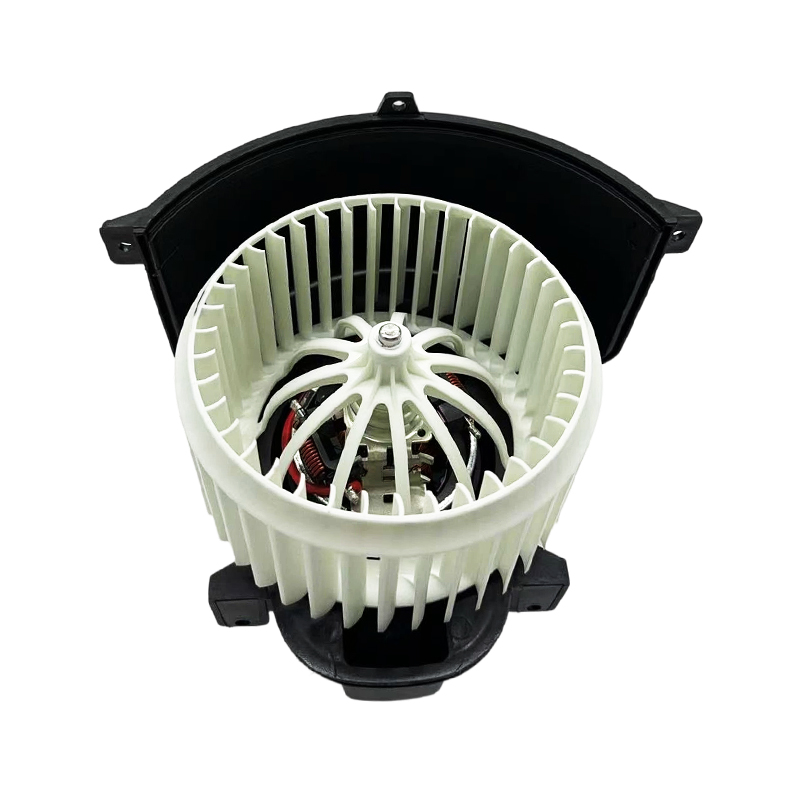
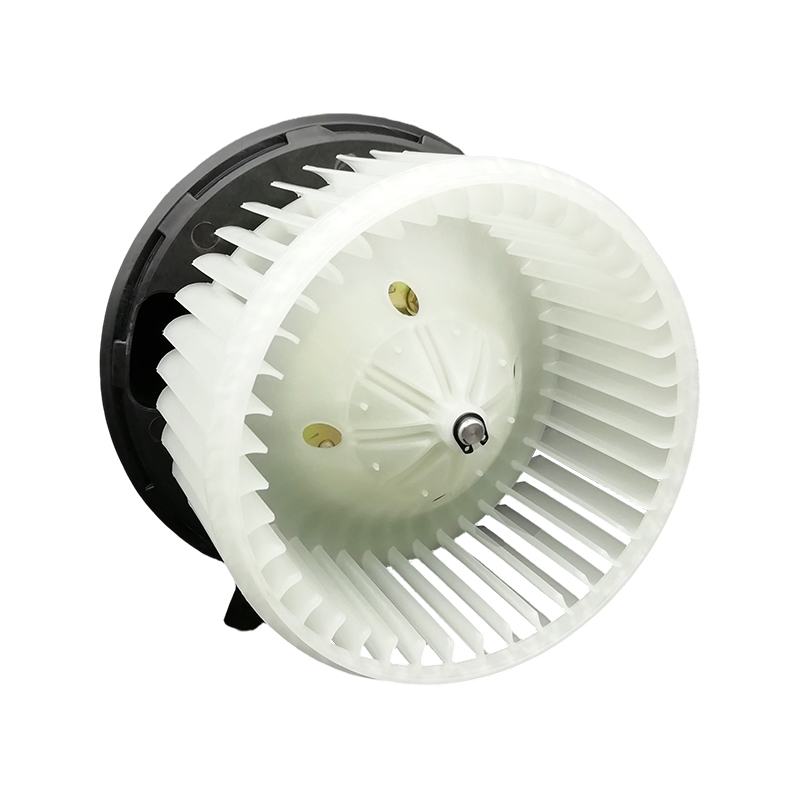
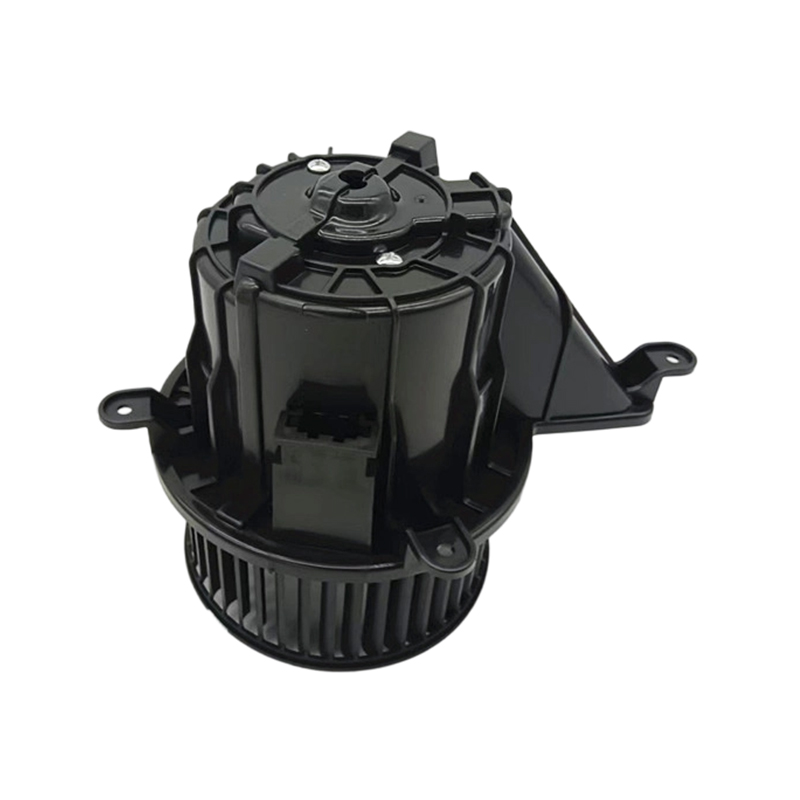
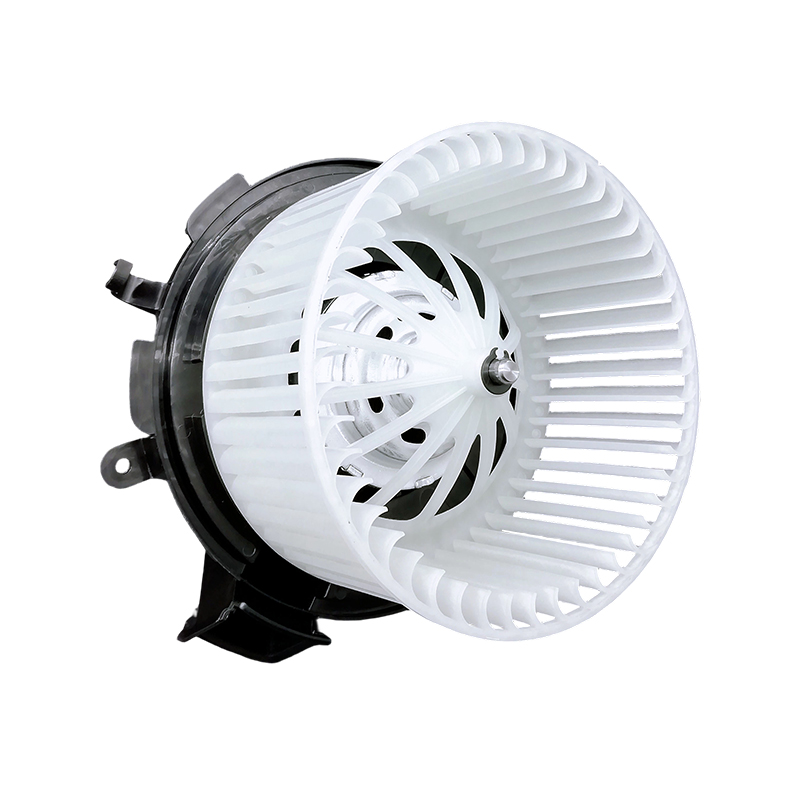
In a car's air conditioning system, there's a component that, though inconspicuous, directly determines the comfort experience inside the vehicle: the Car Blower Fan Motor, or the car's blower motor. Many people focus on the compressor and refrigerant, but overlook this core actuator responsible for "air delivery." In fact, whether it's cold or warm air, the air ultimately entering the cabin relies on its stable output.
When you turn on the air conditioning in hot weather and feel the airflow is slow to pick up, or when the heating is sluggish in cold winter, the problem is often not with the cooling or heating system, but very likely with the blower motor itself.
Why is it called the breathing core of the air conditioning system?
If you consider a car's air conditioning system as a complete circulation system, then the Car Blower Fan Motor's role is similar to human breathing. Its task isn't to create heat or cold, but to propel airflow, allowing treated air to enter the car.
This process seems simple, but it requires extremely high stability. The airflow must be uniform, not fluctuating wildly, otherwise it will directly affect the user's comfort. Simultaneously, it needs to maintain stable operation across different speeds, especially avoiding vibration at low speeds and excessive noise at high speeds.
Once motor performance deteriorates, the most obvious manifestations are reduced airflow, increased noise, and even intermittent malfunctions, all of which directly impact the driving experience.
From structure to performance, its technical threshold is not low.
Many people think that a blower motor is just a simple rotating component, but in reality, it involves multiple technical aspects such as electromagnetic design, bearing structure, and dynamic balance control.
During operation, the motor needs to be under different load conditions for extended periods, thus requiring high standards for temperature rise control and material durability. If the heat dissipation design is inadequate, performance degradation or even failure can easily occur after prolonged use. Furthermore, the matching degree between the impeller and the motor is also crucial; if dynamic balancing is not handled properly, even a high-quality motor will produce noticeable vibration and noise.
With the increasing level of automotive electronics, more and more models are adopting brushless motor solutions. Compared to traditional brushed motors, this type of structure has significant advantages in efficiency, lifespan, and noise control, and is more suitable for the dual requirements of comfort and energy efficiency in modern automobiles.
Different vehicles have vastly different requirements for blower motors.
Car blower fan motors have a wide range of applications, from passenger cars and buses to heavy trucks and construction machinery, and even include agricultural equipment, military vehicles, RVs, and electric vehicles.
In passenger cars, users prioritize quietness and comfort, hoping for virtually inaudible motor noise during air conditioning operation. However, in commercial vehicles or construction machinery, the operating environment is often harsher, with higher dust levels, larger temperature differences, and longer operating times, thus placing greater emphasis on motor stability and durability.
Because of these significant differences in application scenarios, standardized products often cannot meet all needs, which has driven the rapid development of customized blower motors.
Professional Solutions from the Manufacturing End
Longquan, Zhejiang, China, is known as one of the important manufacturing bases for automotive air conditioning components. Zhejiang Shuolang Motor Parts Co., Ltd. has long focused on the research and development and production of core components for automotive air conditioning systems.
The company is a high-tech enterprise integrating design, development, production, and sales, with over ten years of experience in the industry. It produces not only blower motors but also a variety of products including electric fans, control panels, electronic thermostats, and heating valves, covering a complete automotive air conditioning solution.
As a Chinese supplier of customized automotive blower motors and an OEM/ODM factory, SHUOLANG's products are widely used in passenger cars, buses, heavy trucks, construction machinery, agricultural machinery, military and special vehicles, electric vehicles, RVs, and ships.
Zhejiang Shuolang Motor Parts Co., Ltd. is not just a manufacturer, but a solutions provider. For different application needs, the company can provide product solutions that match different structural, performance, and cost requirements to ensure stable performance under complex operating conditions, while balancing cost-effectiveness and delivery efficiency.
How to Judge a High-Quality Car Blower Fan Motor
In actual selection, many users only focus on price, but truly professional judgment is often reflected in the details. A reliable blower motor typically maintains a stable airflow output after long-term operation without significant noise changes. Its starting capability and continuous operation capability are also crucial in high or low temperature environments.
For OEMs and the aftermarket, supply chain stability is equally important. A mature supplier not only needs to provide products but also needs continuous technical support and a consistent quality control system. This is a vital foundation for ensuring the long-term stable operation of the vehicle's air conditioning system.
FAQ
Q1: What are the symptoms of a broken car blower fan motor?
Typically, it manifests as reduced airflow, unstable airflow, abnormal noises, or no airflow at all.
Q2: Is a brushless motor always better than a brushed motor?
In most automotive applications, brushless motors offer advantages in terms of lifespan, noise, and efficiency, but they are relatively more expensive. The specific choice depends on the vehicle model's requirements.
Q3: Can the blower motor be replaced separately?
Most models support separate replacement, but it's important to ensure compatibility with specifications; otherwise, it may affect airflow and air conditioning performance.
Q4: How to extend the lifespan of the blower motor?
Avoiding prolonged high-load operation in extreme environments and regularly checking the air conditioning filter and duct cleanliness can help reduce the motor's workload.



 русский
 Español
 عربى
عربى Türk
Türk