How do I test if the Honda blower motor resistor is bad versus the motor itself?
When your Honda blower motor is malfunctioning, it can lead to poor air circulation in your vehicle’s cabin, affecting comfort and visibility. The problem can be related to either the blower motor itself or the blower motor resistor. Understanding the distinction between these two components and how to test them can help pinpoint the root cause of the issue.
1. Understanding the Honda Blower Motor and Resistor
Before we dive into testing methods, it’s important to understand the functions of both the Honda blower motor and its resistor.
Honda Blower Motor:
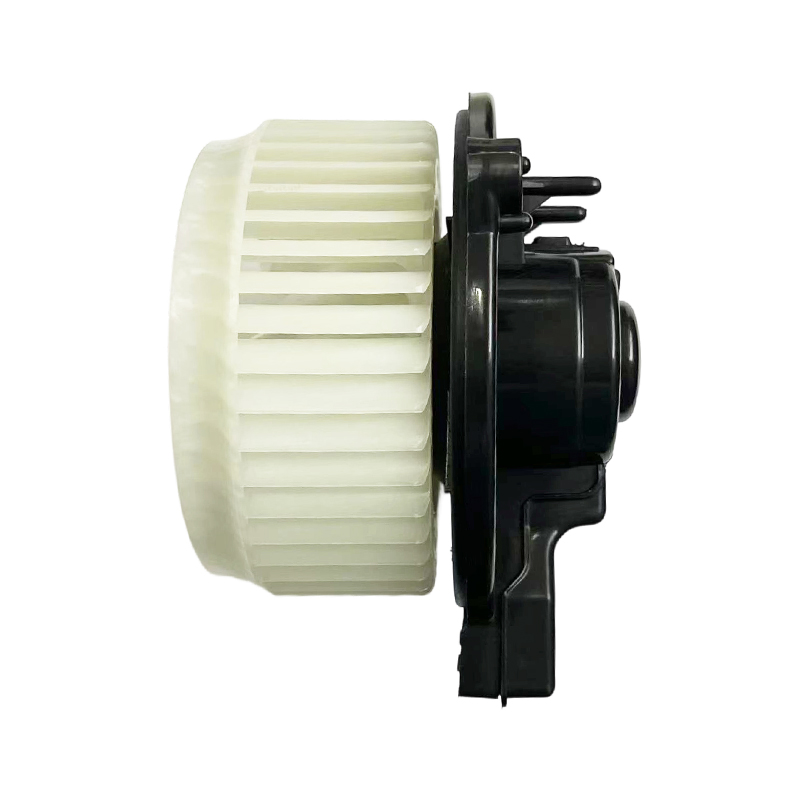
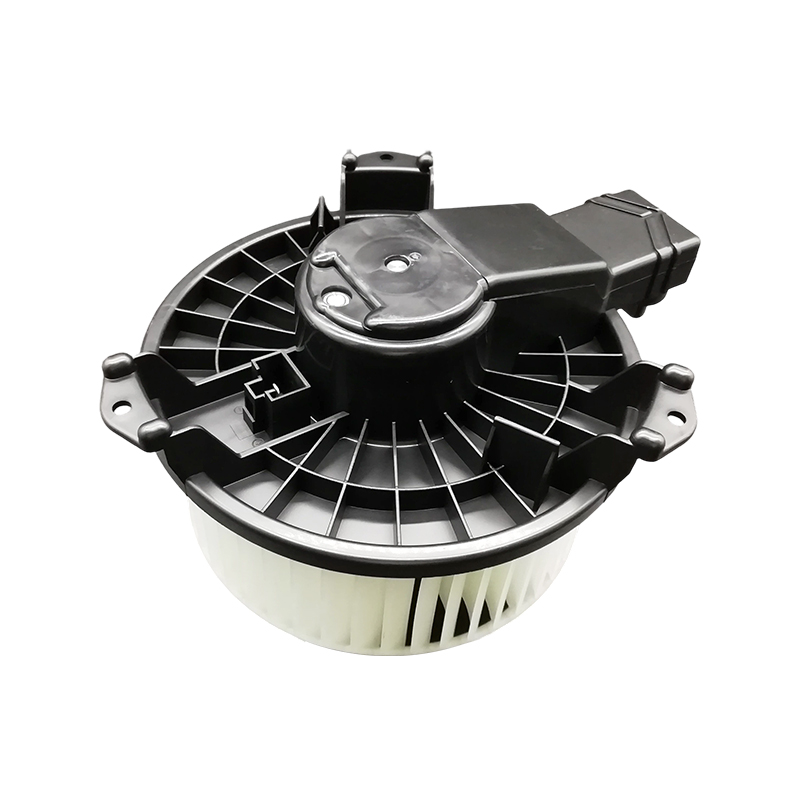
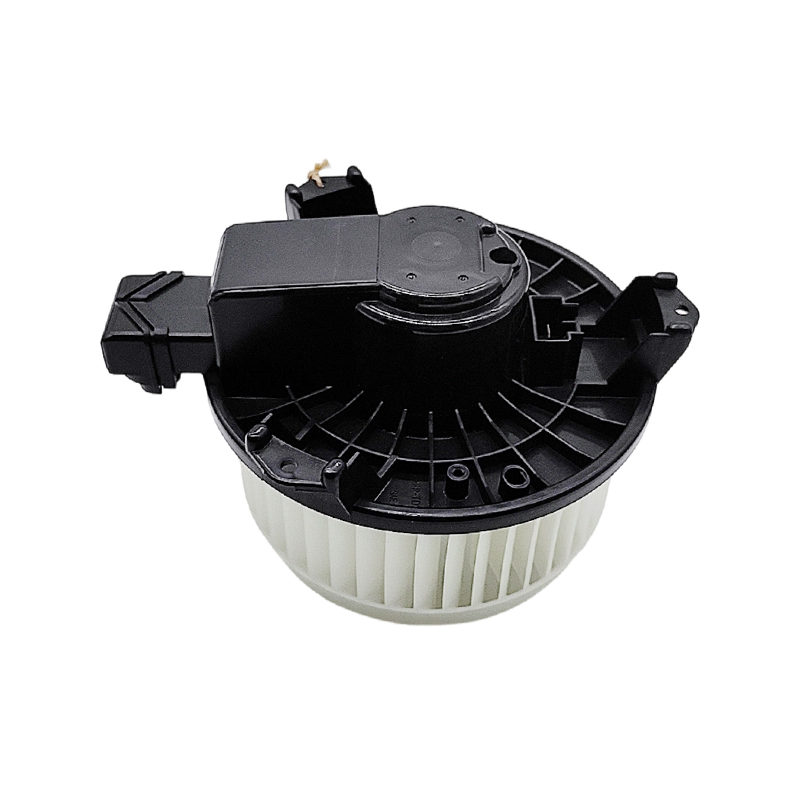
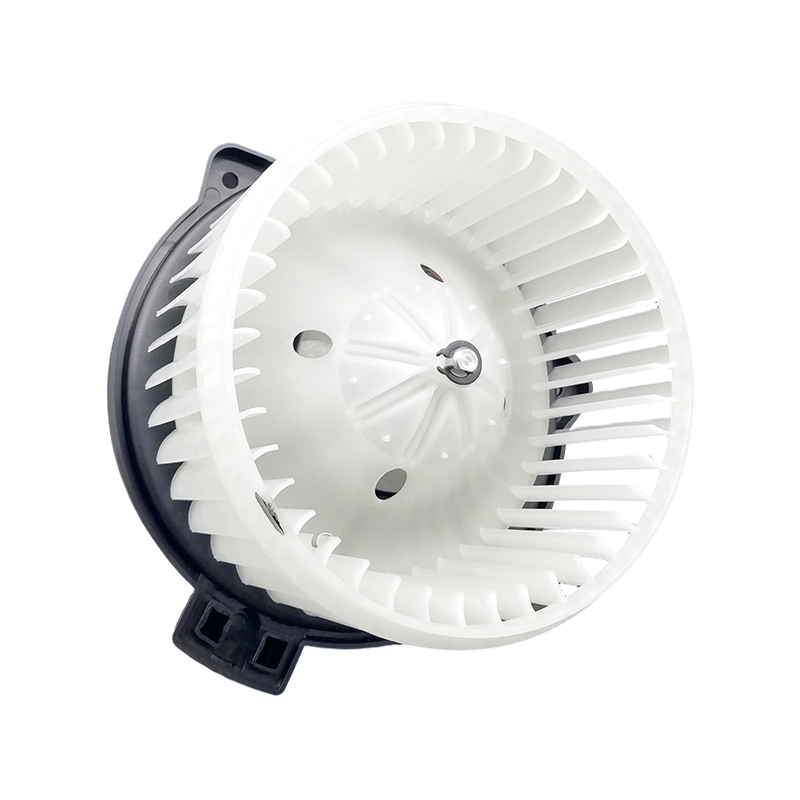
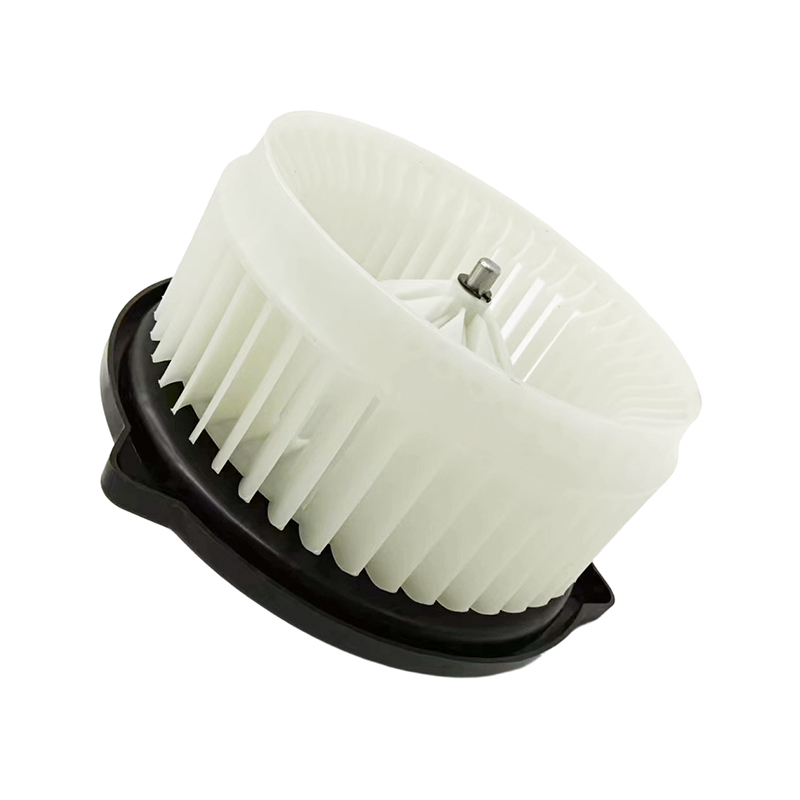
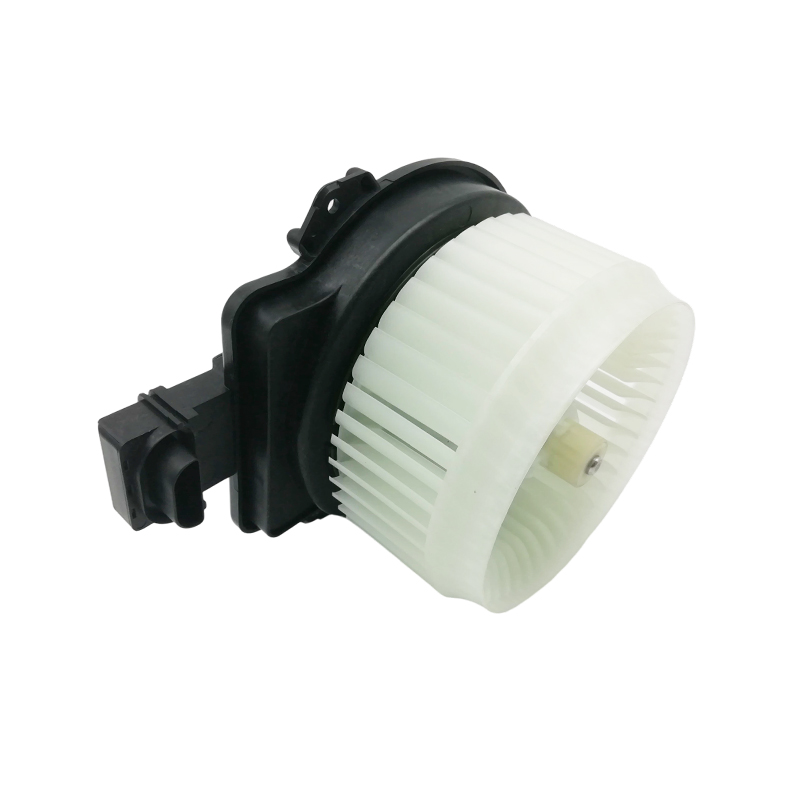
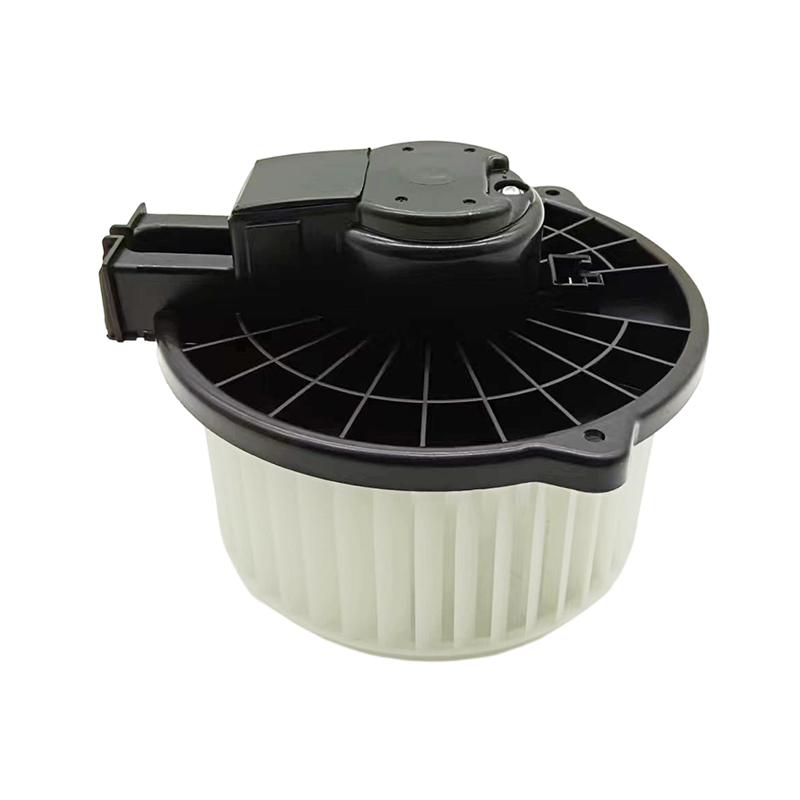
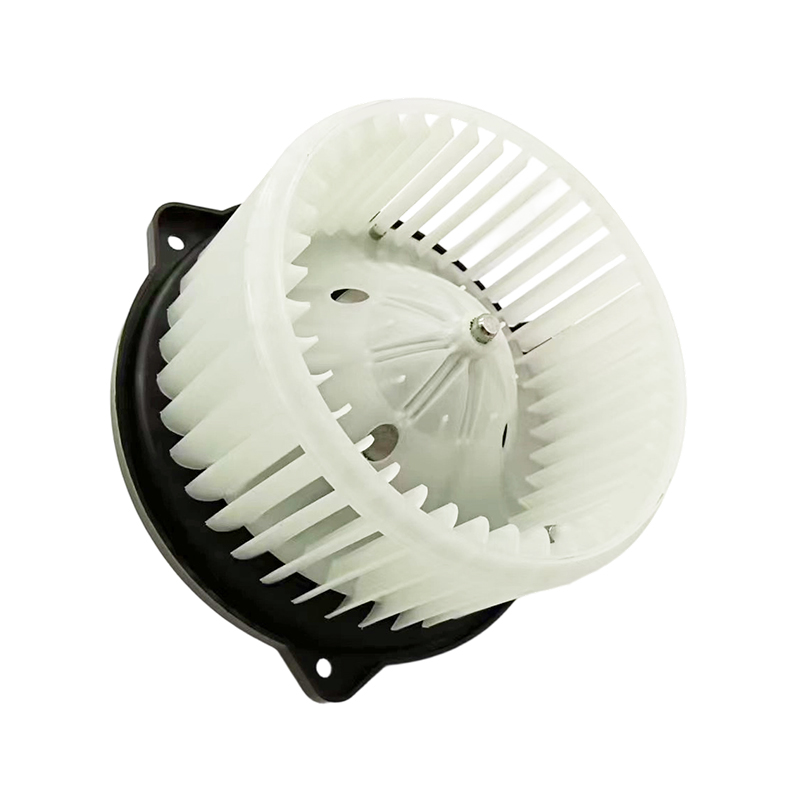
The Honda blower motor is responsible for circulating air through the cabin of your vehicle, ensuring proper ventilation and climate control. The motor operates by turning the fan blades, which push air through the air conditioning or heating system.
Blower Motor Resistor:
The blower motor resistor controls the speed of the blower motor. Typically, the resistor is part of the circuit that adjusts the current flowing to the blower motor, enabling different fan speeds. If the resistor is faulty, you may notice issues such as the fan running only on one speed or not operating at all.
2. Common Signs of Blower Motor or Resistor Failure
Before testing, it’s crucial to recognize the common symptoms of blower motor and resistor failure.
Symptoms of a Bad Blower Motor:
- Complete loss of airflow: The blower motor fails to produce any air, regardless of the fan speed setting.
- Unusual noise: A malfunctioning motor may make grinding, rattling, or buzzing noises.
- Intermittent operation: The motor may stop and start intermittently, signaling an issue with the motor itself.
Symptoms of a Bad Resistor:
- Fan only works at certain speeds: A faulty resistor may result in the blower motor only functioning at one speed, usually the highest or lowest setting.
- No fan operation on lower settings: If the resistor is damaged, the fan may fail to operate on lower speeds but work fine on the highest speed.
- Complete fan failure at certain speeds: The fan may work at some speeds but not others.
3. Testing the Honda Blower Motor Resistor
If you suspect the resistor is the culprit, follow these steps to test it:
Step 1: Locate the Blower Motor Resistor
The blower motor resistor is usually located near the blower motor, behind the glove box or under the dashboard. Refer to your vehicle’s manual to identify the exact location.
Step 2: Inspect for Visible Damage
Start by visually inspecting the resistor for any obvious signs of damage such as burn marks, corrosion, or broken wires. If you see damage, the resistor likely needs to be replaced.
Step 3: Test the Resistor with a Multimeter
To check the functionality of the resistor:
- Set your multimeter to measure resistance (ohms).
- Disconnect the resistor from the vehicle’s wiring.
- Place the multimeter probes on the resistor’s terminals.
- A functioning resistor will show a resistance reading within the expected range. If the reading is infinite or zero, the resistor is faulty and needs replacement.
4. Testing the Honda Blower Motor
If the resistor appears to be in good condition, the problem might lie with the Honda blower motor itself. Follow these steps to test the motor:
Step 1: Inspect the Motor for Physical Damage
Visually check the blower motor for any visible damage, such as burnt components or debris obstructing the fan. Ensure that the motor is free from obstructions.
Step 2: Check for Power Supply
Use a multimeter to check whether the motor is receiving power when the fan is turned on. Set the multimeter to measure voltage and connect it to the power terminals of the blower motor. If the motor isn’t receiving the proper voltage, there may be a wiring issue.
Step 3: Test the Motor Resistance
To determine whether the motor is functional:
- Set your multimeter to measure resistance.
- Disconnect the blower motor from the wiring.
- Measure the resistance between the motor terminals. A properly functioning motor should show a reading that indicates normal resistance. If the resistance is too high or low, the motor may be faulty and should be replaced.
Step 4: Check for Motor Operation
Finally, if power and resistance checks are normal, reconnect the blower motor and turn it on. If the motor doesn’t work despite receiving power and proper resistance, it likely needs to be replaced.
5. Comparing the Costs of Resistor and Motor Replacement
When it comes to replacing a Honda blower motor or resistor, costs can vary significantly depending on which component needs to be replaced.
Resistor Replacement:
- Typically less expensive than a motor replacement.
- Can often be replaced DIY with minimal tools and expertise.
Motor Replacement:
- Usually more expensive and requires professional installation.
- A complete blower motor assembly replacement is generally more time-consuming and costly than replacing the resistor alone.
When diagnosing the issue, it’s essential to weigh the cost of replacing one part versus the other. If your Honda blower motor resistor is damaged but the motor itself is still functional, replacing the resistor is a more cost-effective solution. However, if the motor itself is defective, replacing the entire motor is the only viable option.
6. Maintenance Tips for Your Honda Blower Motor
Proper maintenance of the Honda blower motor can extend its lifespan and prevent future issues. Here are a few tips to keep your blower motor in optimal condition:
- Regularly clean the blower motor: Dust and debris can build up inside the motor and cause it to overheat. Cleaning the motor and surrounding area can prevent blockages and ensure smooth operation.
- Check the air filters: Clogged air filters can cause the blower motor to work harder, leading to potential damage. Replace the air filters regularly.
- Inspect the wiring: Check the motor’s wiring for signs of wear or damage. Faulty connections can cause the motor to fail prematurely.
7. Conclusion
Testing and diagnosing the issue with your Honda blower motor or its resistor doesn’t have to be a complicated process. By following the outlined steps, you can determine whether the problem lies with the blower motor or the resistor and make an informed decision about the necessary repairs or replacements.
If you need help with replacement parts, Zhejiang Shuolang Motor Parts Co., Ltd. offers high-quality blower motors and related components for the entire Honda lineup, including popular models like the Accord, Civic, and CR-V. With years of expertise in automotive air conditioning parts, we are committed to providing reliable products and excellent customer support to ensure your vehicle’s performance remains at its best.
FAQ
Q1: How can I tell if my Honda blower motor is bad?
A1: Symptoms include no airflow, unusual noises, or intermittent operation. Testing the motor with a multimeter for voltage and resistance can confirm whether the motor is faulty.
Q2: What does the blower motor resistor do?
A2: The resistor controls the speed of the blower motor, allowing different fan speeds to be selected. A faulty resistor can cause the fan to operate at only one speed.
Q3: How can I test the blower motor resistor?
A3: Use a multimeter to measure the resistance across the resistor terminals. A faulty resistor will either show no resistance (infinite reading) or incorrect resistance.
Q4: Can I replace the blower motor resistor myself?
A4: Yes, the blower motor resistor is typically easy to access and can be replaced with basic tools, but if you’re not comfortable, consider seeking professional help.
Q5: How much does it cost to replace a Honda blower motor?
A5: The cost can vary, but blower motor replacement is usually more expensive than replacing the resistor. Prices depend on the model and labor costs if professional installation is required.



 русский
 Español
 عربى
عربى Türk
Türk