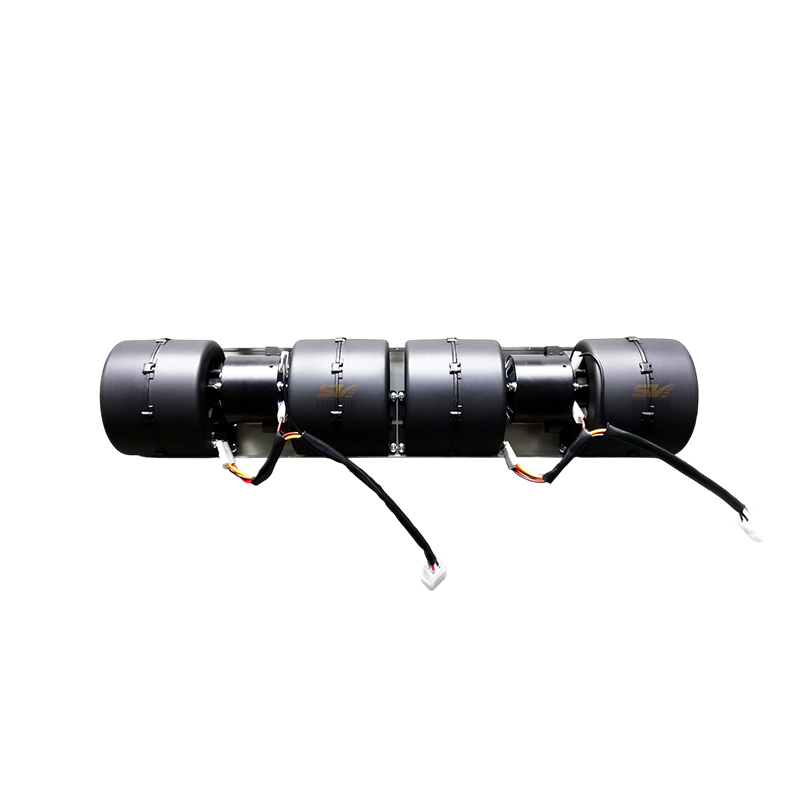
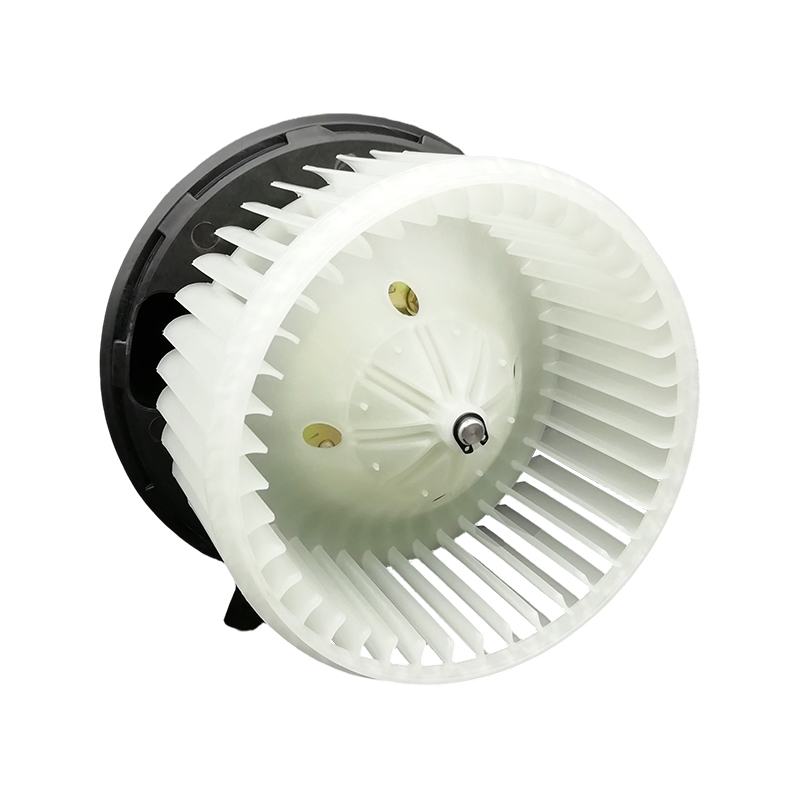
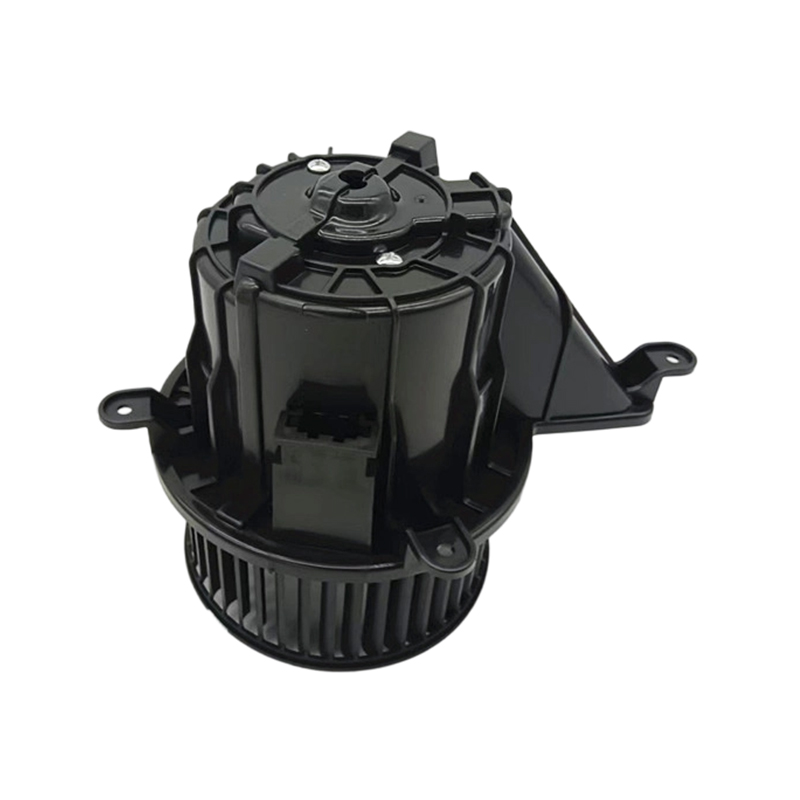
The Ultimate Guide to Farm Vehicles Blower Motor: Performance, Durability, and Climate Control
In the demanding world of agricultural machinery, operator comfort and equipment reliability are not luxuries—they are necessities. The cabin environment of a modern tractor, combine harvester, or sprayer directly impacts productivity and operator fatigue during long harvest days. At the heart of this climate control system lies a critical component: the Farm Vehicles Blower Motor. This article provides a comprehensive technical overview of blower motor functionality in heavy-duty agricultural applications, selection criteria, and maintenance insights to help fleet managers and equipment owners optimize uptime and cabin air quality.
Understanding the Role of the HVAC Blower Motor in Agricultural Equipment
Unlike standard automotive applications, a Farm Vehicle's Blower Motor operates in an extreme environment characterized by high vibration, severe dust ingestion, and continuous operational cycles. The primary function of this electromechanical device is to force air across the evaporator core (for cooling) or the heater core (for heating) and distribute conditioned air through the cabin vents. In agricultural settings, this blower motor is also essential for maintaining positive cabin pressure to prevent the infiltration of dust, chemical spray drift, and chaff. A failure in this component during peak planting or harvest season can render a cab uninhabitable and halt operations.
- Primary Function: Circulates air for HVAC and defrost/defog operations to maintain clear visibility.
- Secondary Function: Creates positive cab pressure (when set to fresh air mode with high fan speed) to seal out particulate matter.
- Operational Demand: Must withstand continuous 12–16-hour daily run times in temperatures ranging from -20°F to 120°F cab ambient.
Key Differences: Agricultural Blower Motors vs. Automotive Blower Motors
While they share a basic centrifugal design, the engineering requirements for a Farm Vehicles Blower Motor diverge significantly from those of a passenger car. Heavy-duty construction and specialized electrical characteristics are non-negotiable for farm duty cycles. Understanding these differences is crucial when sourcing replacement parts to avoid premature failure.
The following table outlines the critical performance and design distinctions between standard light-duty automotive units and heavy-duty agricultural/off-highway motors:
| Feature / Specification |
Standard Automotive Blower Motor |
Farm Vehicles Blower Motor (Heavy-Duty) |
| Housing Material & Sealing |
Standard stamped steel, minimal sealing against moisture splash. |
Reinforced steel or high-impact composite; IP54 or higher ingress protection against dust and high-pressure washdowns. |
| Motor Windings & Insulation |
Class A or B insulation; designed for intermittent use (commuting). |
Class F or H insulation; rated for continuous duty with high thermal capacity to resist burn-out under heavy electrical load. |
| Vibration Resistance |
Standard grommet mounting; tested for paved road harmonics. |
Heavy-duty balanced squirrel cage fan and reinforced shaft bearings to withstand high-amplitude, low-frequency vibration from diesel engines and rough terrain. |
| Corrosion Resistance |
Minimal; interior cabin environment assumed clean. |
Epoxy-coated motor cases and stainless steel shafts to resist corrosion from ammonia, fertilizers, and high humidity. |
| Airflow Volume (CFM) |
Optimized for a 100-150 cubic feet cabin volume. |
High torque output to move air through larger, deeper heater cores and large volume cabs (often 200+ cubic feet) quickly. |
Common Failure Modes in Agricultural Blower Motor Systems
Diagnosing a failing Farm Vehicles Blower Motor early can save significant downtime and prevent damage to the vehicle's wiring harness or resistor block. Due to the harsh operating environment, certain failure patterns are more prevalent in farm machinery than in other vehicle types. Recognizing these symptoms allows for proactive maintenance and component replacement.
- Speed Resistor Failure (The Most Common Culprit): The blower motor only works on High speed, but not Low or Medium. This indicates the blower motor resistor or thermal limiter has failed due to overheating or corrosion from moisture ingress.
- Squealing or Chirping Bearings: A high-pitched noise from the passenger footwell or roof liner (in combination) indicates dry or worn shaft bearings. This is accelerated by fine dust particles bypassing the cabin air filter and abrading the bearing surfaces.
- Slow or Weak Airflow: Even on maximum speed, airflow is weak. This can be a result of a clogged cabin air filter (often neglected in farm vehicles), a physical obstruction in the evaporator core (chaff or mouse nests), or a weakening motor magnet losing torque.
- Intermittent Operation: The motor works sporadically when hitting bumps. This typically points to a worn brush set inside the motor housing or a loose electrical connector caused by constant vibration.
Maintenance Checklist for Prolonged Blower Motor Life
Implementing a simple quarterly inspection routine can double the service life of your HVAC components. A Farm Vehicles Blower Motor is an electrical accessory; keeping it clean and dry is paramount to longevity.
- Cabin Air Filter Replacement: Replace the cabin air filter every 250 hours of operation (or more frequently during harvest/tillage). A clogged filter starves the motor of cooling airflow, causing it to overheat and melt internal solder joints.
- Debris Evacuation: Periodically remove the blower motor from its housing (usually 3-4 screws) and vacuum out the "squirrel cage" fan wheel. A single pebble or soybean lodged in the fan wheel can cause severe imbalance and destroy the motor bearings.
- Electrical Connection Check: Inspect the harness connector for signs of melting or green corrosion. High resistance at the connector generates heat that travels down the wire and damages the motor's internal thermal fuse.
- Voltage Verification: Ensure the alternator is not overcharging. Voltages consistently above 14.8V will drastically shorten the lifespan of the Farm Vehicles Blower Motor brushes and armature.
Selecting a Replacement Farm Vehicle Blower Motor: Critical Specifications
When the time comes to replace a failed unit, selecting the correct replacement Farm Vehicles Blower Motor requires more than just matching the make and model of the equipment. Attention to specific electrical and mechanical specifications ensures plug-and-play installation and reliable performance. As a leading manufacturer in Zhejiang, we emphasize the importance of verifying the following parameters:
- Voltage Rating: While most modern agricultural tractors operate on a 12V system, many older models and heavy construction/ag equipment may utilize 24V systems. Installing a 12V motor in a 24V system will result in immediate, catastrophic failure.
- Rotation Direction (CW or CCW): The blower motor wheel is designed to scoop air in a specific rotational direction. A reverse rotation motor will spin but produce almost zero airflow. Always verify the "view from shaft end" rotation arrow on the original motor housing.
- Shaft Length and Diameter: The "squirrel cage" fan must fit precisely on the shaft. A shaft that is too short will cause the fan to rub on the housing; a shaft that is too long will prevent the motor from seating correctly.
- Vent Tube Orientation: Many heavy-duty motors feature a rubber cooling vent tube. Ensure the replacement unit has the tube pointing in the correct direction to avoid water intrusion during cab washdown.
As a solution provider with over a decade of manufacturing experience, Zhejiang Shuolang Motor Parts Co., Ltd. engineers blower motors with Class F insulation and premium sealed bearings to meet these rigorous OEM standards. Our product range covers applications from compact utility tractors to large row-crop harvesters, ensuring that the Farm Vehicles Blower Motor you install will stand up to the rigors of the field.
Technical Advantages of Modern Aftermarket Blower Motors
Technology in off-highway HVAC components has advanced significantly. Modern aftermarket solutions for the Farm Vehicles Blower Motor often incorporate improvements over original equipment (OE) designs that were locked in decades ago. These advancements focus on efficiency and durability.
- Improved Brush Composition: Modern motors utilize copper-graphite brushes that provide lower electrical resistance and longer wear life compared to the older carbon brushes used in legacy equipment.
- Sealed Ball Bearings: Whereas OE motors might use sintered bronze bushings, high-quality replacements feature double-sealed ball bearings that permanently retain lubrication and exclude dust.
- Thermal Protection: Integrated, self-resetting thermal limiters prevent motor burnout if the fan wheel becomes locked by ice or debris, a common occurrence during winter silage operations.
FAQ
Why does my tractor blower motor only work on high speed?
This is the most frequent symptom reported regarding a Farm Vehicles Blower Motor circuit. When the fan only operates on the highest setting (usually position 4 or 5), the issue is rarely the motor itself, but rather the blower motor resistor block. The resistor block contains a series of coiled wires that reduce the voltage to the motor for lower speeds. Over time, these coils corrode or break due to heat cycling and moisture in the cab floor area. Because "High" speed bypasses the resistor entirely (direct 12V connection), the motor runs fine. Replacing the blower motor resistor assembly, typically located near the blower motor housing in the air stream for cooling, will restore all speed settings. We recommend replacing the cabin filter simultaneously, as restricted airflow causes the resistor to overheat and fail prematurely.
How do I test a farm vehicle blower motor before removing it?
Before unbolting a heavy Farm Vehicles Blower Motor assembly from a cramped cab footwell or roof panel, perform a quick electrical test. Locate the power wire (usually thicker gauge, often purple or orange in ag equipment) and ground wire at the motor connector. Using a multimeter set to DC voltage, probe the connector with the key on and the fan switch on high. You should see battery voltage (approx 12.6V engine off, 14.2V engine running). If you have good voltage and ground but the motor does not spin, the motor is internally failed (seized bearing or worn brushes). If you have low voltage (under 10V), you have a high resistance issue in the switch, relay, or wiring harness. A secondary mechanical test is to try to spin the squirrel cage by hand with the key off; if it is stiff or makes a grinding noise, the motor bearings are physically seized, confirming the need for a replacement Farm Vehicles Blower Motor.
Can a weak blower motor cause my combine cab to overheat?
Indirectly, yes. A weak Farm Vehicles Blower Motor fails to move sufficient Cubic Feet per Minute (CFM) of air across the air conditioning evaporator core. If the refrigerant in the AC system is full and the compressor is engaging, but the vent temperature feels warm, and airflow is "anemic," the blower motor is the primary suspect. Without adequate airflow, the evaporator core will freeze into a solid block of ice, completely stopping all airflow. Furthermore, incombinatione with a large glass surface area (the "greenhouse effect"), a weak blower motor cannot overcome the solar heat load, causing operator fatigue and potential heat stress. Replacing an aging motor with a new high-torque unit restores the designed pressure differential, ensuring the evaporator can exchange heat efficiently, and the operator remains cool and alert.
What causes a farm vehicle blower motor to squeal or chirp?
A squealing or chirping noise emanating from the HVAC case is a telltale sign of dry or failing bearings within the Farm Vehicles Blower Motor assembly. Unlike automotive units, farm equipment motors ingest a significant amount of ultra-fine dust, even with a cabin filter present. This dust works its way past the shaft seal and acts as a lapping compound on the bronze bushings or steel bearings. The noise is often intermittent, occurring when the cab is cold or when hitting rough terrain that shifts the motor shaft. While spraying lubricant onto the shaft might temporarily silence the noise, it is not a long-term fix as it attracts more dust and eventually gums up. The only reliable solution is to replace the motor assembly, as bearing wear allows the motor armature to rub against the stator magnets, eventually leading to motor lockup and a blown fuse.



 русский
 Español
 عربى
عربى Türk
Türk