


 русский
 Español
 عربى
عربى Türk
Türk
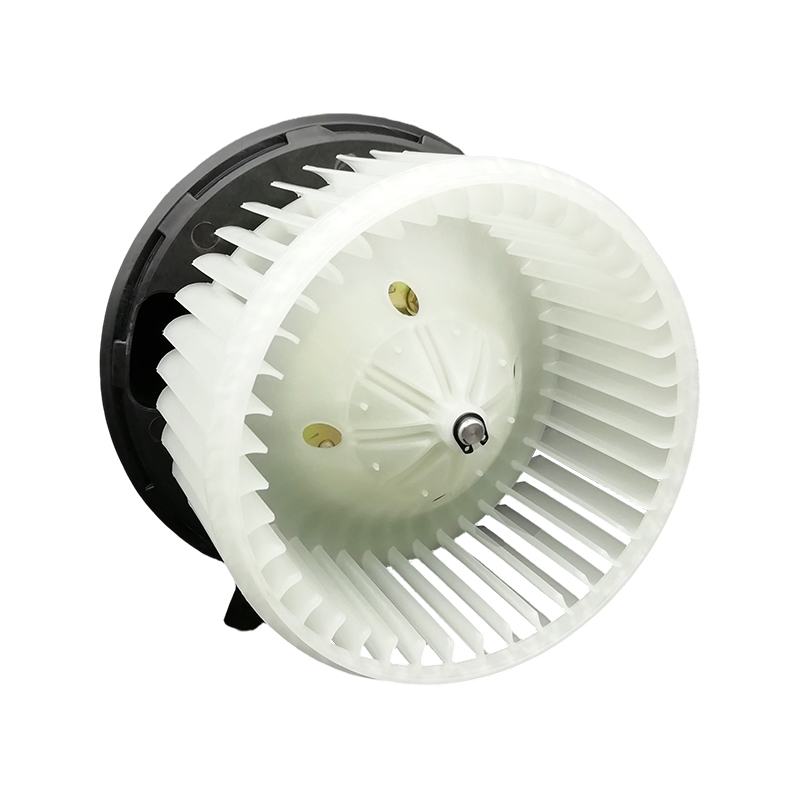
To meet the challenging cooling challenges of full-size SUVs and pickup trucks, the JK-66221 features a large 153 x 77 mm design and clockwise rotation. It's ideal for the 2002-2006 Chevrolet Suburban...
See DetailsHow Do You Choose the Right Car Blower Fan Motor?
Published on 07 10, 2026
Content
- 1 Step 1: Confirm Fitment – Beyond “Year, Make, Model”
- 2 Step 2: Brushed vs. Brushless – The Decisive Choice
- 3 Step 3: Decode the Performance Curve – CFM and Static Pressure
- 4 Step 4: Evaluate Build Quality – What to Look For
- 5 Step 5: Electrical Compatibility – Voltage, Amperage, and Control Signal
- 6 Step 6: Noise and Vibration – Subjective but Measurable
- 7 FAQ – Quick Answers to Common Questions
- 8 Decision Flowchart – Your Selection Path
Selecting the correct car blower fan motor is not about picking the cheapest or the most powerful unit. It is a systematic decision based on three core criteria: vehicle compatibility, motor type (brushed vs. brushless), and performance curve (CFM vs. static pressure). Prioritize these in order, and you will avoid 90% of common fitting and airflow issues. For 85% of passenger vehicles, a direct OEM-spec replacement with a brushless motor offers the best balance of longevity and efficiency.
Step 1: Confirm Fitment – Beyond “Year, Make, Model”
While basic vehicle data is the starting point, fitment errors occur in nearly 30% of DIY replacements due to subtle variations. Always verify the OEM part number printed on your old motor housing. This number is the single most reliable identifier. Do not rely solely on online “compatible” lists, as they often group multiple sub-variants.
Check these physical parameters as well:
- Mounting flange shape and bolt hole pattern – even 1mm offset can prevent installation.
- Electrical connector type and pin count – 2-pin vs. 4-pin designs are not interchangeable.
- Overall length and fan-wheel (squirrel cage) diameter – a motor that fits but has a different wheel size will alter airflow.
Step 2: Brushed vs. Brushless – The Decisive Choice
This is the most critical technical decision. The table below contrasts the two main car blower fan motor technologies. Brushless motors now dominate new vehicle production, but replacement markets still offer both.
| Feature | Brushed Motor | Brushless Motor |
|---|---|---|
| Lifespan (average) | 1,500 – 3,000 hours | 8,000 – 12,000 hours |
| Efficiency (peak) | 65% – 70% | 85% – 92% |
| Speed control | Resistor-based (stepped) | PWM (infinitely variable) |
| Common failure mode | Brush wear / commutator arcing | Controller electronics |
| Cost (relative) | Lower initial | Higher initial, lower lifetime cost |
For vehicles older than 10 years, a quality brushed motor is often the practical choice due to lower upfront cost. For modern vehicles or if you plan to keep the car for over 5 years, invest in a brushless unit – the energy savings alone can offset the price premium within 3 years of average use.
Step 3: Decode the Performance Curve – CFM and Static Pressure
Two numbers define airflow performance: CFM (cubic feet per minute) and static pressure (inches of H₂O). A common mistake is choosing a motor with higher CFM but insufficient pressure. In HVAC systems, the blower must overcome duct resistance. For a typical sedan’s evaporator core, a static pressure of 0.6 – 0.8 inH₂O at 300 CFM is the sweet spot.
Here is a practical guide:
- Low-pressure systems (compact cars): target 250–350 CFM @ 0.4–0.6 inH₂O.
- Medium-pressure systems (SUVs / sedans): target 350–450 CFM @ 0.6–0.9 inH₂O.
- High-pressure systems (vans / luxury): target 450+ CFM @ 0.9–1.2 inH₂O.
If the motor’s datasheet does not provide a full performance curve, request the manufacturer’s airflow chart. A motor that cannot maintain airflow against the system’s resistance will result in weak defrost and poor cabin cooling, regardless of its free-air CFM rating.
Step 4: Evaluate Build Quality – What to Look For
Durability is determined by materials and assembly. Examine these details before purchase:
- Bearing type: Ball bearings (rated for >50,000 hours) are superior to sleeve bearings (rated for <15,000 hours). Over 70% of premature motor failures are due to bearing wear.
- Commutator (brushed motors): Look for a diamond-turned commutator with at least 20 segments – this reduces arcing and extends brush life.
- Insulation class: Class F (155°C) or H (180°C) insulation is mandatory for hot-engine-bay environments. Class A or E is inadequate.
- Balance weight: A properly balanced fan-wheel (marked with small metal clips) reduces vibration and bearing stress. Unbalanced units can shorten motor life by up to 40%.
Step 5: Electrical Compatibility – Voltage, Amperage, and Control Signal
Most cars operate on a 12V or 24V DC system. However, the control signal is equally important. For brushed motors, the resistor pack determines speed levels – ensure your new motor’s current draw matches the original (within ±5A). For brushless motors, the PWM (pulse-width modulation) frequency must be compatible with your vehicle’s HVAC module; mismatched frequencies cause erratic speed or no operation.
Check the locked-rotor current (LRA) – this is the peak draw at startup. If the LRA exceeds your fuse rating (typically 25A or 30A for blower circuits), you will experience nuisance fuse blows. A safe rule: choose a motor whose LRA is ≤80% of the fuse rating.
Step 6: Noise and Vibration – Subjective but Measurable
While not a technical specification, noise is the #1 complaint after replacement. Ask the supplier for the motor’s dBA rating at 12V and at mid-speed. A good aftermarket motor should be below 65 dBA at full speed – that is quieter than average cabin noise at highway speed (70 dBA).
Vibration can be assessed by the balance quality grade (G). For automotive blowers, G6.3 is acceptable; G2.5 is excellent. Lower G numbers indicate better balance. If possible, test the motor briefly before installation – hold it in hand while running; excessive buzz or wobble indicates poor balancing.
FAQ – Quick Answers to Common Questions
- Can I use a motor with higher CFM than original? Yes, but only if static pressure matches. Higher CFM with lower pressure may cause duct turbulence and actually reduce airflow at the vents.
- How often should the blower motor be replaced? On average, every 8–10 years or 100,000 miles. Brushless units can last the vehicle’s lifetime.
- Is a more expensive motor always better? Not necessarily. A mid-range brushless motor from a specialized manufacturer often outperforms a premium-brand brushed motor. Evaluate specs, not price.
- Can I replace only the motor without the fan wheel? Yes, if the old wheel is undamaged and you can remove it without bending the blades. However, replacing both as a set ensures optimal balance and airflow.
- Why does my new motor run slowly? Likely a voltage drop (check wiring/connectors) or incorrect PWM signal. Also verify that the resistor pack (for brushed) is compatible.
Decision Flowchart – Your Selection Path
Flowchart guideline: Start with OEM part #, then choose motor type, verify performance curve, and finally check physical/electrical fit. This sequential filter eliminates incompatible units early.
Related products
-
-
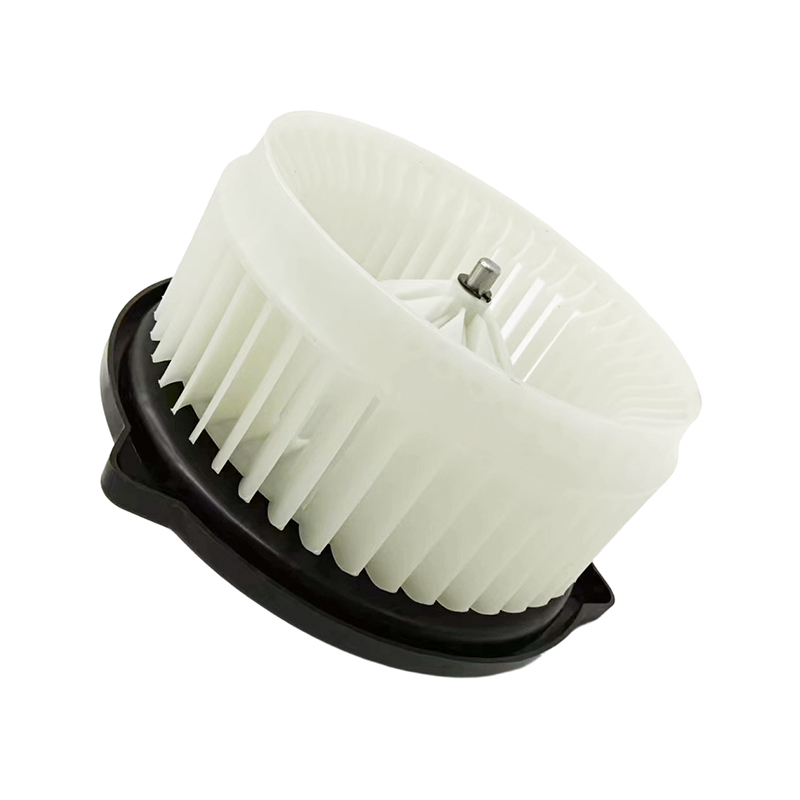
The JK-66508F blower assembly is an ideal replacement for early Honda SUVs, precisely matching the 2003 Honda CR-V and 2001 Honda CV. Built to exacting factory standards, it effectively inherits the o...
See Details -
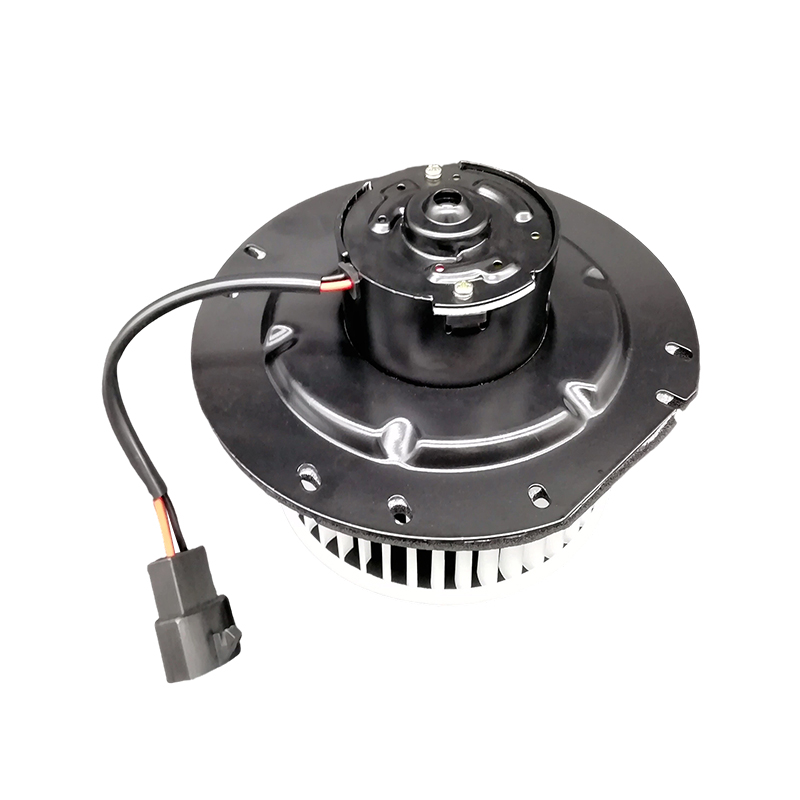
This custom blower motor is specifically designed for the 1998-2011 Ford Ranger pickup truck. Its core dimensions are 157x75 mm, and it features a clockwise (CW) rotation design, delivering performanc...
See Details -
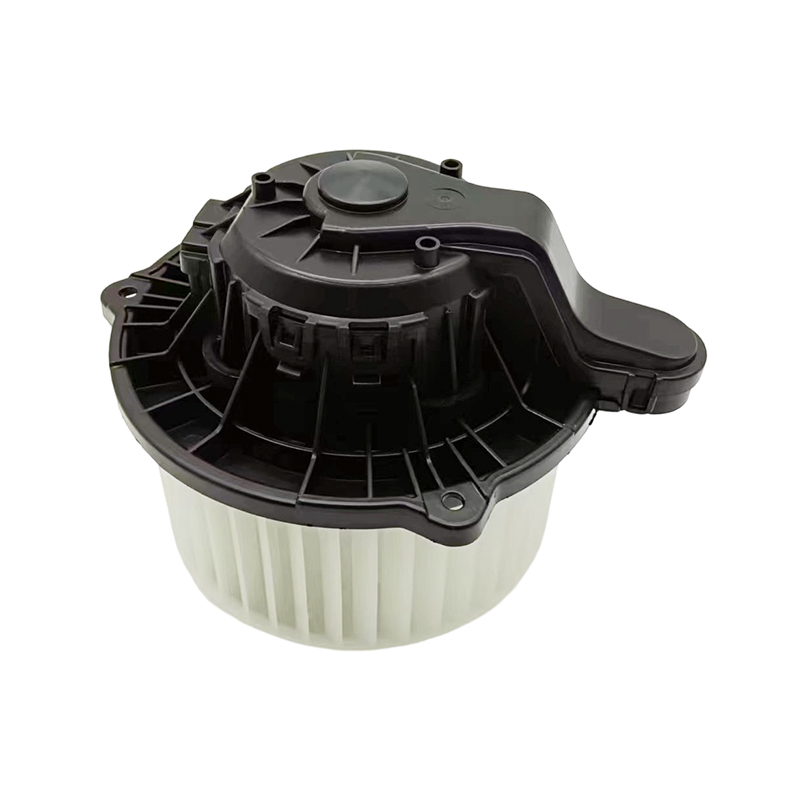
A modern air conditioning blower motor for the 2013 and later generation Ford Ranger. Built to exacting original equipment specifications (OEM No. No. 264457, RC.530.136), this motor is designed to me...
See Details -
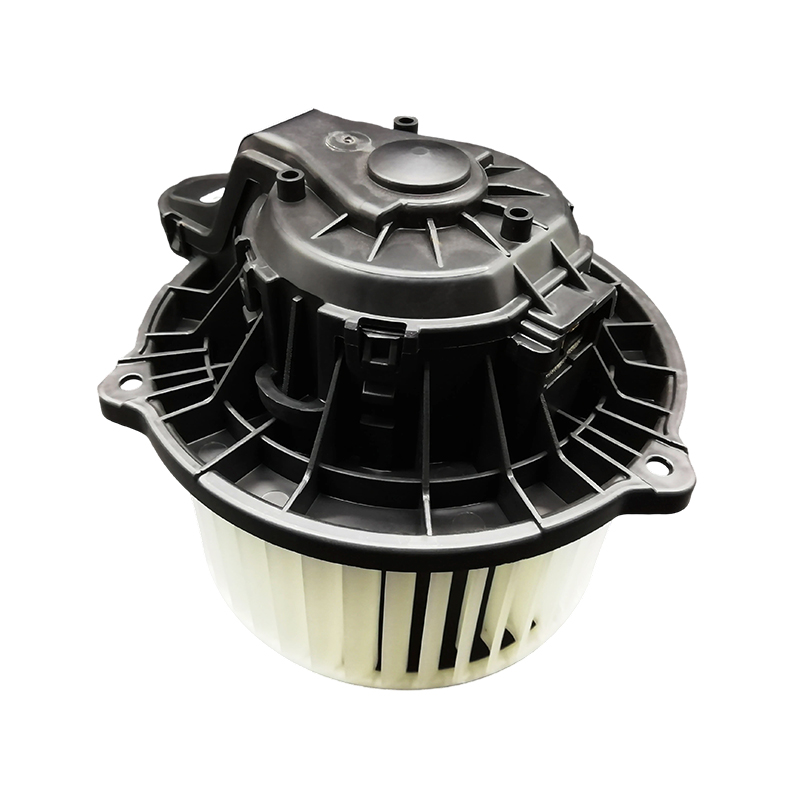
The JK-66661F blower, with its specific dimensions of 148x73mm and counterclockwise (CCW) rotation, is a perfect match for two popular models: the 2012 Ford Edge and the new-generation Ranger of the s...
See Details -
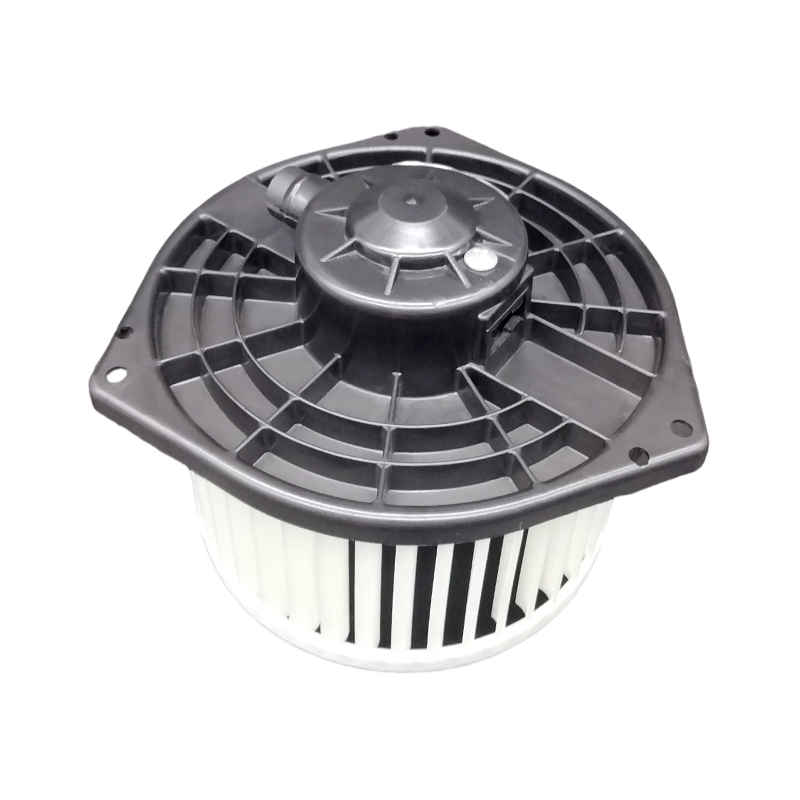
The JK-66604F blower motor is a precision replacement for Nissan S10 pickup trucks (2012 and later), Hanau, and Isuzu D-MAX/MUX (2014-2017). Its core advantage is its excellent compatibility, perfectl...
See Details
© 2026 Zhejiang Shuolang Motor Parts Co., Ltd. All Rights Reserved. Custom Automotive Air Conditioning Parts Manufacturer
