Everything You Need to Know About Truck Blower Motor: Function, Types, Selection & Maintenance
1. Core Function of the Truck Blower Motor
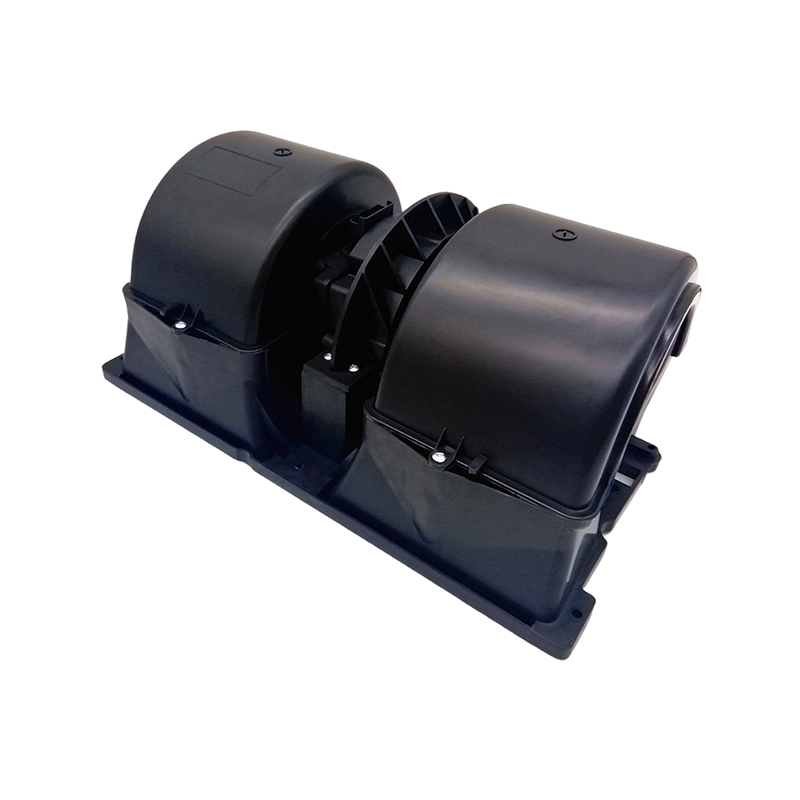
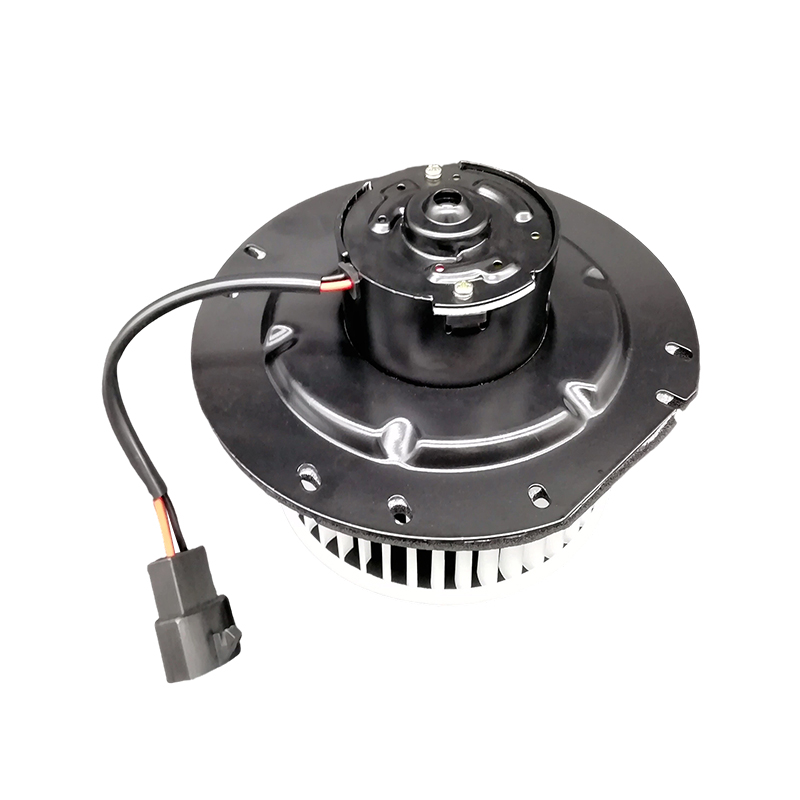
The truck blower motor is the core power component of the heavy-duty vehicle HVAC system, responsible for driving the squirrel-cage fan to deliver conditioned air into the cab. It directly determines airflow volume, temperature regulation efficiency, and driving comfort under long-haul and complex working conditions.
- Drives air circulation through evaporator and heater cores for cooling and heating
- Supports multi-speed adjustment to match different cab climate demands
- Assists in defrosting and defogging to ensure driving visibility
- Stabilizes air supply under vibration, high temperature, and low-temperature environments
2. Common Types of Truck Blower Motor
Heavy-duty truck blower motors are divided by structural design and commutation method, each adapted to different vehicle platforms and durability requirements. The table below compares brushed and brushless versions widely used in commercial vehicles.
| Motor Type |
Working Principle |
Service Life |
Energy Efficiency |
| Brushed Truck Blower Motor |
Carbon brush commutation, simple structure |
Medium, limited by brush wear |
Standard |
| Brushless Truck Blower Motor |
Electronic commutation, no friction parts |
Long, 2–3 times that of brushed types |
High, lower power consumption |
- Brushed models: cost-effective, widely used in conventional heavy trucks and engineering vehicles
- Brushless models: ideal for electric trucks, long-haul fleets, and high-reliability scenarios
- Integrated fan-blower assemblies: compact design for limited cab space
3. Key Specifications for Truck Blower Motor Selection
Selecting a matching truck blower motor requires strict alignment with vehicle electrical systems and HVAC layout to avoid performance mismatch or premature failure.
- Rated voltage: 12V / 24V DC, compatible with truck electrical architecture
- Power rating: 80W–200W, matched to required airflow and static pressure
- Mounting dimensions: flange size, fan diameter, and installation orientation
- Connector type: OEM-standard plugs to ensure stable electrical connection
- Protection grade: IP55 or higher for dust and moisture resistance
4. Failure Symptoms & Diagnostic Tips for Truck Blower Motor
Early identification of truck blower motor abnormalities reduces downtime and avoids secondary damage to the HVAC system.
- No airflow at any speed: indicates complete motor failure or power supply interruption
- Only high-speed operation: usually caused by damaged resistor, not motor itself
- Abnormal noise (rattling/scraping): worn bearings, loose fan, or foreign debris
- Intermittent operation: loose wiring, poor contact, or internal coil damage
- Overheating and burning odor: insulation breakdown or prolonged overload
5. Installation & Maintenance Best Practices
Proper installation and regular maintenance extend the service life of the truck blower motor and maintain stable HVAC performance.
- Disconnect power before installation to prevent short circuits
- Secure mounting to reduce vibration-induced wear
- Regularly clean or replace cabin air filters to reduce motor load
- Check wiring connectors for corrosion or looseness during routine maintenance
- Avoid prolonged high-speed operation in high-temperature environments
FAQ
Q1: Why does my truck blower motor only work on high speed?
This is the most common symptom in truck HVAC systems and is almost always caused by a failed blower motor resistor or module, not the truck blower motor itself. The high-speed setting bypasses the resistor to supply full voltage directly to the motor, while lower speeds rely on resistance regulation. Replacing the resistor typically resolves the issue without motor replacement.
Q2: How long does a truck blower motor normally last?
A quality brushed truck blower motor lasts 3–5 years under regular use. Brushless versions can reach 8–10 years due to no brush wear. Service life is shortened by clogged filters, moisture intrusion, voltage instability, and prolonged heavy-load operation.
Q3: How to tell if the problem is the truck blower motor or the resistor?
If the motor fails at all speeds, check power input; consistent power indicates motor failure. If only low/mid speeds fail while high speed works, the resistor/control module is defective. You may also test voltage at the motor connector under different speed settings for accurate diagnosis.
Q4: Can a faulty truck blower motor affect fuel efficiency?
Yes. A worn or seized truck blower motor increases electrical load, forcing the alternator to work harder and slightly raising engine fuel consumption. Severe jamming can also cause circuit overload or fuse burnout.
Q5: What is the difference between truck and passenger car blower motors?
Truck blower motor units feature higher torque, reinforced anti-vibration structures, wider temperature tolerance (-40°C to 125°C), and stronger dust/moisture protection. They are designed for continuous heavy-duty operation, unlike passenger car motors built for lighter, intermittent use.
Q6: How to choose the right truck blower motor for my vehicle?
Confirm voltage (12V/24V), OEM part number, mounting flange size, connector type, and rotation direction. Ensure rated power matches the original HVAC airflow requirements. For electric trucks, priority should be given to brushless motors with high efficiency and low electromagnetic interference.



 русский
 Español
 عربى
عربى Türk
Türk