How Ford Blower Motor Systems Are Engineered for Consistent Airflow
Shuolang's experience supplying OEM-equivalent components across multiple Ford platforms has given us a close understanding of how these systems are architected — and why even minor deviations from spec translate directly into customer complaints.
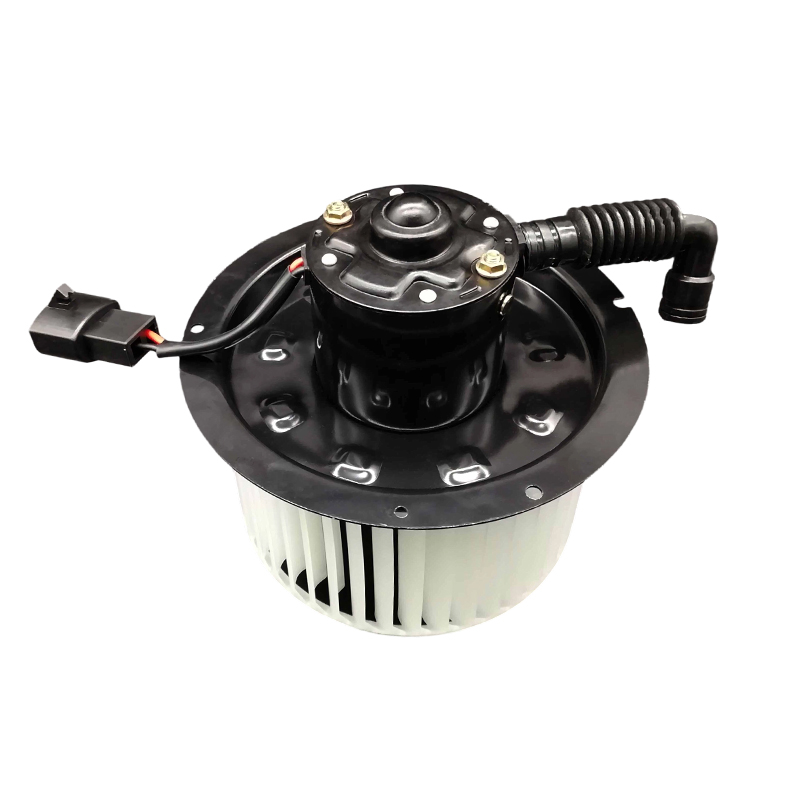
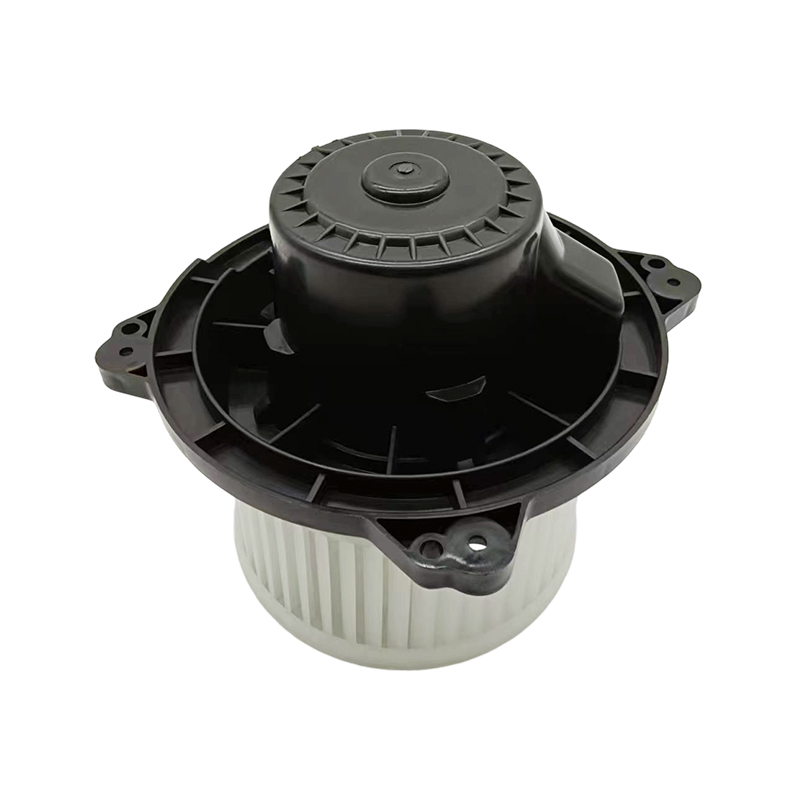
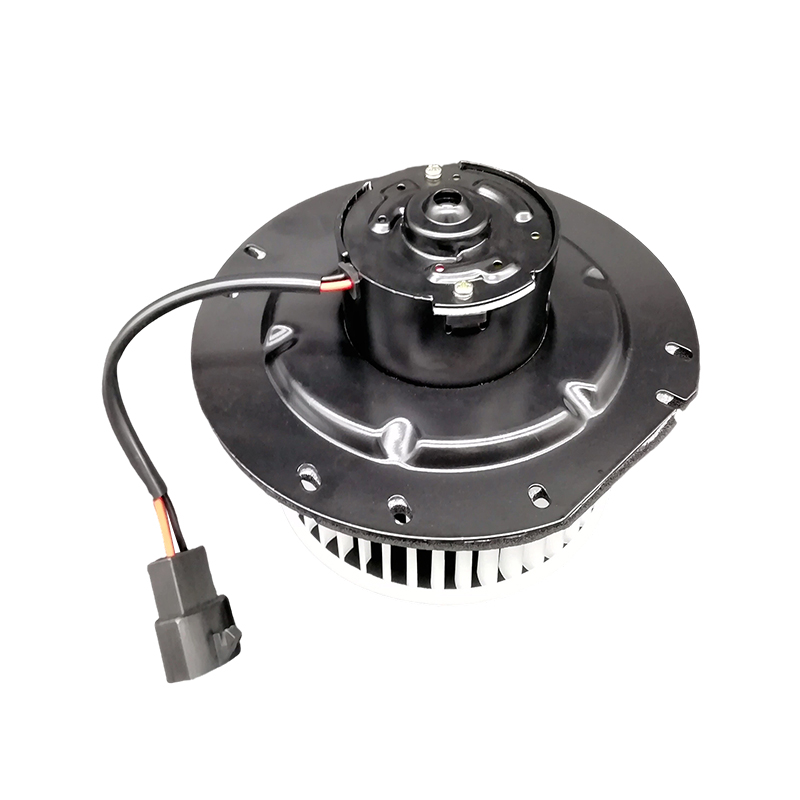
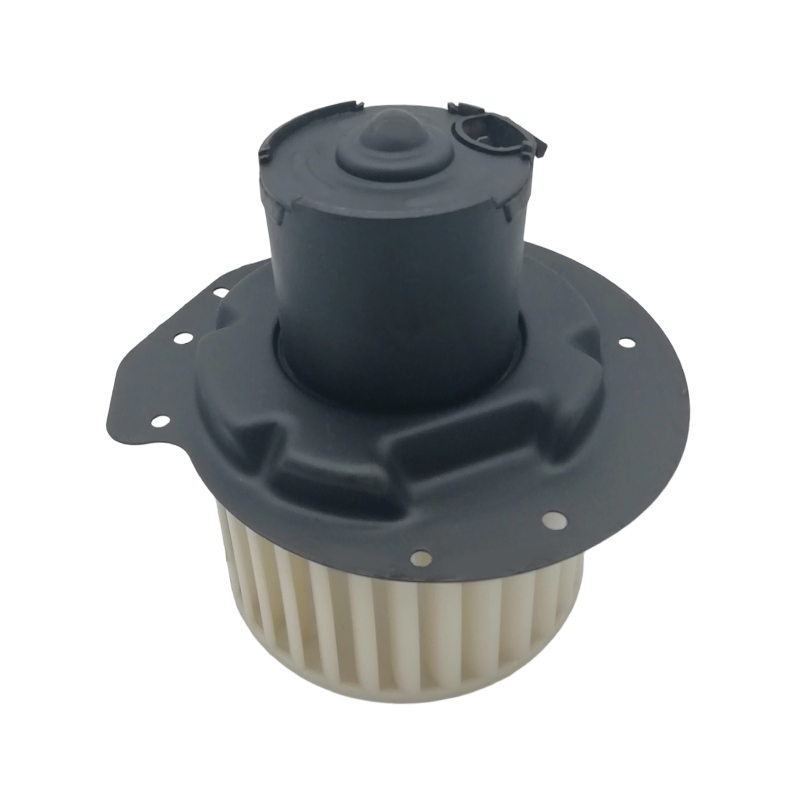
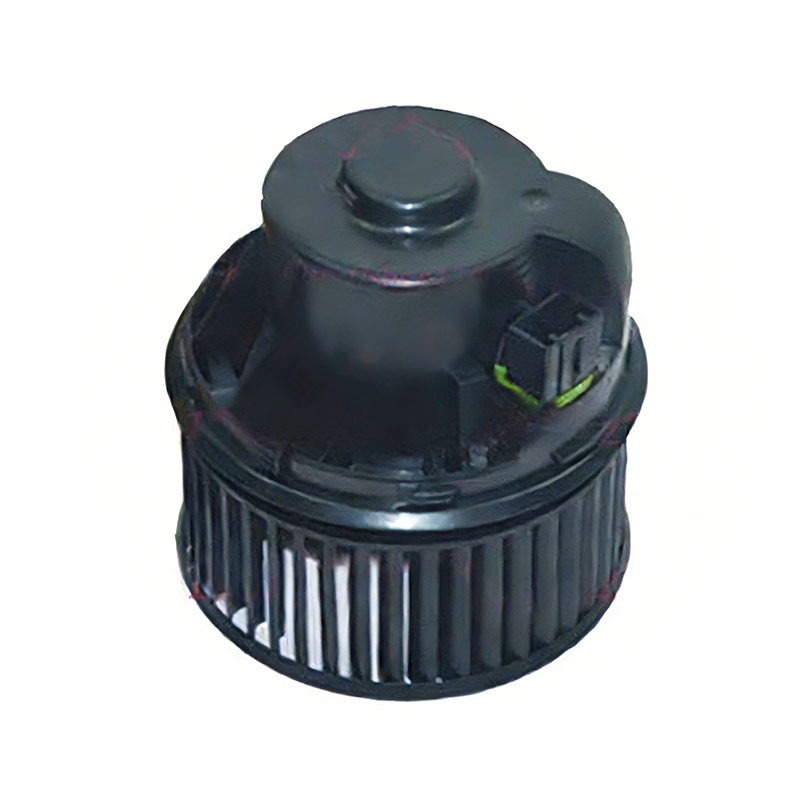
Ford's HVAC architecture across its mainstream lineup — including the F-Series, Explorer, Escape, and Transit — uses a centrifugal blower design rather than axial fans. The centrifugal (squirrel-cage) impeller draws air through the cabin filter and pressurizes it into the plenum at controlled volume, allowing the system to maintain consistent airflow across multiple speed settings without the turbulence or noise associated with axial configurations. This design choice places particularly high demands on the motor's torque curve at low speeds: the blower must accelerate the cage smoothly from rest without the surge or hesitation that passengers notice immediately.
Ford uses a permanent magnet DC motor in most legacy HVAC blower applications, with a transition to brushless DC (BLDC) motors in newer platforms from 2018 onward. The key engineering difference is commutation: brush-type motors rely on physical contact between carbon brushes and a copper commutator, introducing wear, electrical noise, and a finite service life (typically 1,500 – 3,000 operating hours). BLDC motors eliminate this contact entirely, extending service life to 10,000+ hours while reducing electromagnetic interference with the vehicle's infotainment and driver-assistance systems. When sourcing a replacement Ford Cooling Blower Motor, confirming whether the application calls for a brush-type or brushless unit is the single most important specification check.
Blower Motor Resistor and Speed Control: What Technicians Often Overlook
A blower motor failure is frequently not a motor failure at all — it is a resistor or control module failure that presents identical symptoms. Understanding the speed control architecture of Ford blower systems is essential for correct diagnosis and for avoiding repeat warranty returns.
In Ford vehicles using manual climate control (common in Transit, older F-150, and entry-level Escape trims), blower speed is regulated by a blower motor resistor block wired in series with the motor. Each speed setting routes current through a different resistor, reducing voltage — and therefore RPM — proportionally. When the resistor block fails (the most common failure mode in high-mileage Ford trucks), the motor typically works only on the highest speed setting, because at maximum speed the resistor is bypassed entirely. Replacing only the motor in this scenario will not restore multi-speed function.
Ford's automatic temperature control (ATC) systems — standard on Explorer, Edge, and higher F-150 trims — replace the resistor with a blower motor control module (BMCM) that uses pulse-width modulation (PWM) to vary motor speed infinitely between minimum and maximum. The BMCM receives a duty-cycle signal from the HVAC control module and adjusts motor voltage accordingly. When the BMCM fails, symptoms include motors that run at full speed only, motors that do not run at all, or erratic speed behavior. Ford BMCM failures generate specific DTCs (typically B1423 or B2284 on IDS) that point directly to the module rather than the motor — a distinction that prevents unnecessary motor replacement.
OEM vs. Aftermarket Fit: Connector, Rotation, and Mounting Compatibility
Physical interchangeability between Ford blower motor part numbers is deceptively complex. Across Ford's model range, motors that appear dimensionally identical can differ in connector type, rotation direction, shaft length, and mounting flange geometry — any one of which will prevent installation or cause premature failure if mismatched.
Key compatibility checks before ordering a replacement unit:
- Rotation direction: Ford blower motors are specified as either clockwise (CW) or counter-clockwise (CCW) when viewed from the shaft end. Installing a motor with the wrong rotation direction causes the impeller to draw air backward through the system, dramatically reducing airflow and generating abnormal noise. The rotation direction is not always stamped on the motor body — verify against the OEM part number.
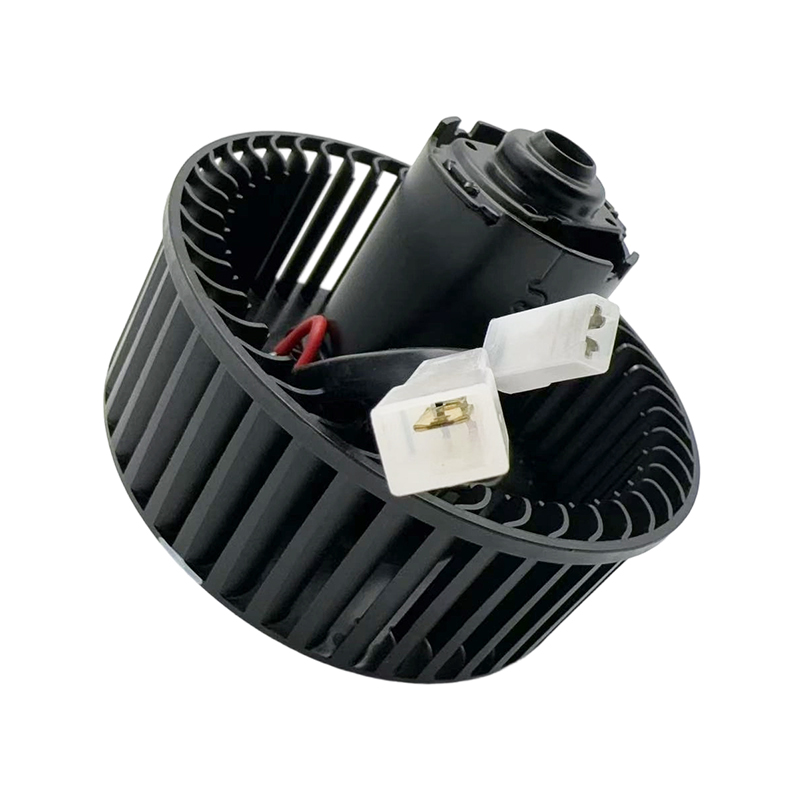
- Connector configuration: Ford has used at least four distinct blower motor connector configurations across its platforms, including 2-pin, 3-pin (with ground), 4-pin (PWM-controlled), and 6-pin (BLDC with integrated position feedback). An incorrect connector requires adapter wiring that introduces resistance and failure points.
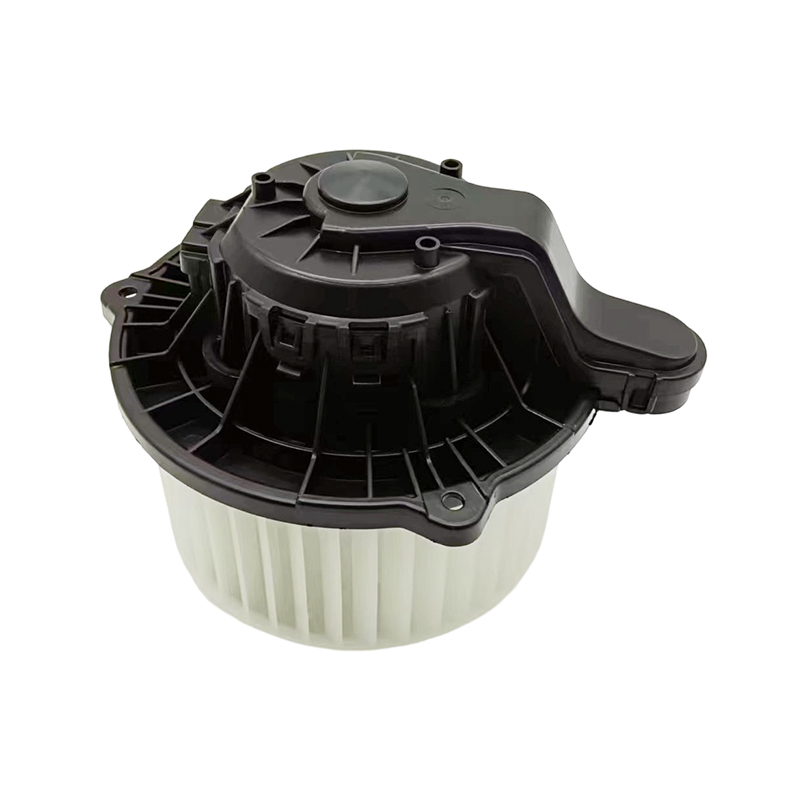
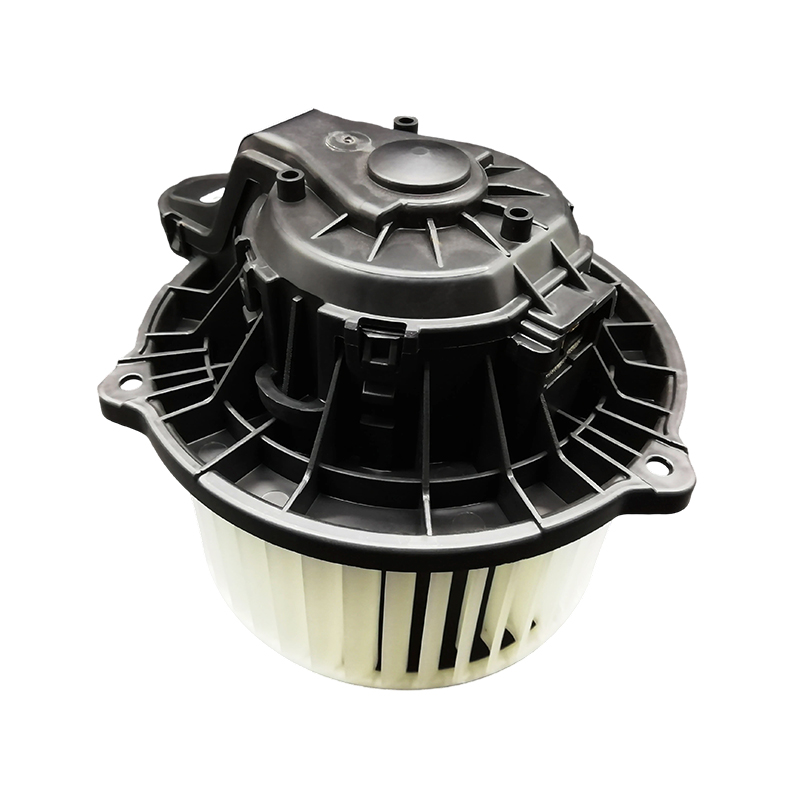
- Mounting flange and cage diameter: The evaporator box opening and motor retention ring are model-specific. Even 2 – 3 mm differences in flange outer diameter or bolt circle can prevent proper seating, creating air leaks around the motor base that reduce system efficiency and allow unfiltered air to bypass the cabin filter.
- Voltage rating: Standard 12 V systems are universal, but Ford's Transit and E-Series commercial vehicles occasionally include dual-battery 24 V auxiliary HVAC systems that require motors rated for higher voltage. Installing a 12 V motor on a 24 V circuit burns out the armature within hours.
Zhejiang Shuolang Motor Parts Co., Ltd. cross-references all replacement units against Ford OEM part numbers and vehicle-specific application data to ensure connector, rotation, and mounting compatibility before shipment — eliminating the compatibility ambiguity that leads to costly returns in the aftermarket supply chain.
Extending Blower Motor Service Life in Commercial and Fleet Ford Applications
Fleet operators running Ford Transit vans, F-250/350 Super Duty trucks, or F-650/750 medium-duty chassis accumulate blower motor hours at rates far exceeding private vehicle use. A delivery van operating two climate-control shifts per day can reach 4,000 blower hours in under three years — well within the replacement interval of a brush-type motor. For fleet buyers, proactive maintenance practices significantly reduce unplanned downtime.
Practical measures that extend blower motor life in high-cycle applications:
- Cabin filter replacement on schedule: A clogged filter forces the motor to work against higher static pressure, increasing current draw and thermal load on the brushes and armature. Ford recommends filter replacement every 15,000 – 30,000 miles; fleets operating in dusty environments should halve this interval.
- Blower housing inspection: Debris — leaves, insulation fragments, rodent nesting material — that enters the fresh air inlet can jam the impeller and stall the motor under full voltage, burning out the armature in seconds. Annual inspection and cleaning of the intake screen is low-cost insurance against catastrophic failure.
- Proactive resistor block replacement: For brush-type motor systems, replacing the blower motor resistor at the same time as the motor eliminates a common secondary failure within 6 – 12 months. The resistor runs hot by design and degrades faster than the motor in high-duty-cycle applications.
- Upgrading to BLDC equivalents where available: Several Ford platforms now support BLDC replacement motors that are backward-compatible with the OEM wiring harness. For fleets that have experienced repeated brush-type failures, upgrading to a brushless Ford Cooling Blower Motor at the next replacement interval can eliminate recurrence.
With over a decade of focused manufacturing experience in automotive air conditioning components, Shuolang supplies blower motors for Ford commercial and fleet applications with consistent quality verification at every production batch — giving procurement teams the confidence to plan replacements on a schedule rather than reacting to breakdowns.



 русский
 Español
 عربى
عربى Türk
Türk