

 русский
 Español
 عربى
عربى Türk
Türk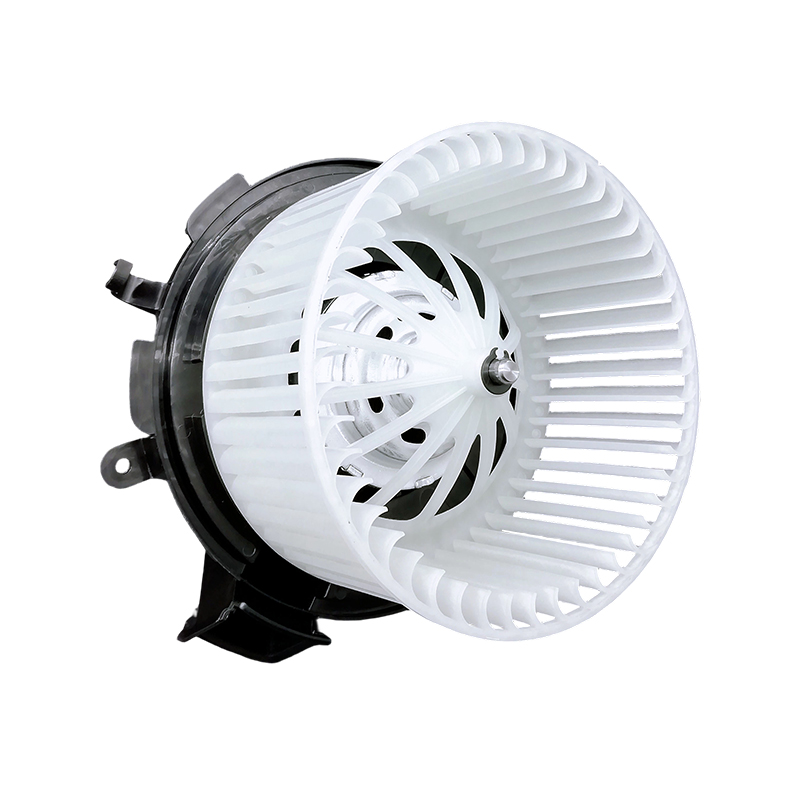
Direct Answer: Why Your Blower Fan Motor Is Noisy
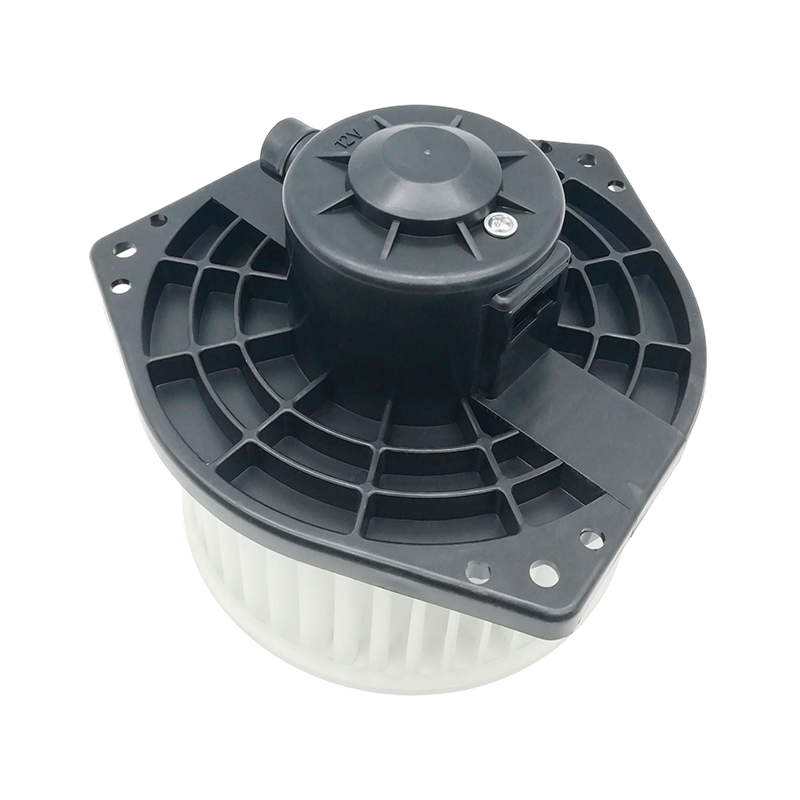
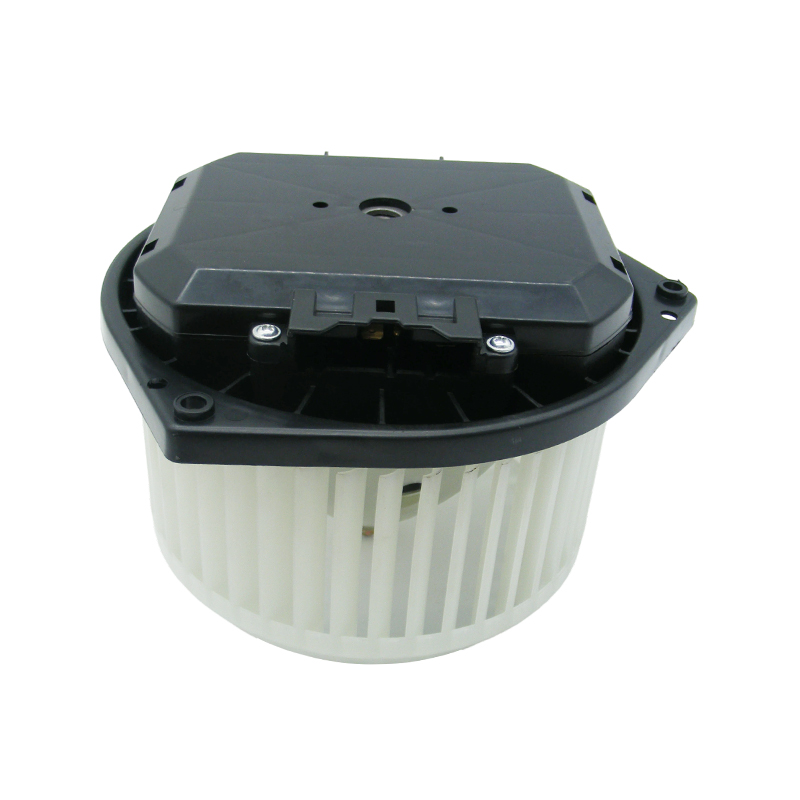
Your car blower fan motor makes noise primarily due to foreign debris (leaves, twigs) lodged in the blower wheel, worn-out motor bearings, or an imbalanced blower wheel. The noise is a clear signal that the motor's mechanical integrity is compromised. Ignoring it can lead to complete motor failure. In most cases, the fix involves cleaning the blower wheel or replacing the entire blower motor assembly, as these components are often serviced as a single unit.
Decoding the Type of Blower Motor Noise
Identifying the specific sound your blower motor makes is the first step toward an accurate diagnosis. Different noises point to different underlying issues.
1. Squealing or Chirping Sounds
These high-pitched noises are classic symptoms of worn or dry motor bearings. As bearings lose lubrication, the metal shaft grinds against the bearing housing, creating a squeal that often worsens in cold weather.
2. Rattling, Clicking, or Scraping
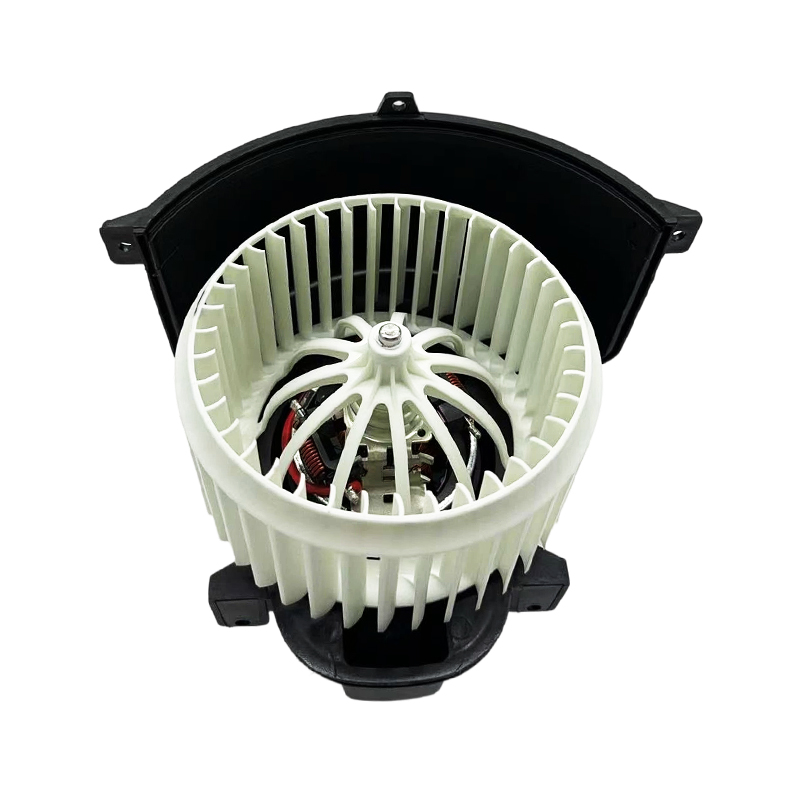
These sounds almost always indicate foreign objects inside the blower housing. Leaves, pine needles, or small debris get sucked into the HVAC system and become trapped in the spinning blower wheel (squirrel cage), causing a rhythmic clicking or scraping as the wheel rotates.
3. Rumbling or Vibrating Noises
If your dashboard vibrates or you hear a deep rumble, particularly at higher speeds, the blower wheel is likely out of balance. This can be caused by missing or broken blades on the blower wheel, or by an accumulation of dirt that unevenly weighs down the wheel.
4. Whining Noises
A whine that changes pitch with the fan speed is often related to motor torque and electrical frequency. While sometimes normal, a persistent or loud whine can indicate a failing motor that is drawing excessive current or has internal electrical issues.
Why Do These Noises Occur? Common Root Causes
Understanding the root cause helps prevent a repeat failure. The blower motor operates in a harsh environment, and several factors contribute to its eventual decline.
Lack of a Cabin Air Filter or Poor Maintenance
Many vehicles have a cabin air filter designed to stop debris before it reaches the blower motor. If the filter is missing, clogged, or not replaced regularly, debris bypasses it and accumulates on the blower wheel. Regular replacement of the cabin air filter is the most effective preventive measure.
Normal Wear and Tear
Blower motors are electric motors with bushings or bearings. Over hundreds of hours of operation, these components simply wear out from friction and heat cycles. As the motor ages, the bearings loosen, creating play that leads to vibration and noise.
Design and Mounting Factors
In some cases, noise is caused by the motor's mounting or structure. Improper mounting can amplify normal motor vibrations. Some manufacturers have even issued service bulletins to address noise caused by motor torque being transmitted to the vehicle's structure, requiring specific repair kits.
How to Diagnose the Source of the Noise
Diagnosing blower motor noise is a straightforward process that you can do yourself with a few simple steps. Always prioritize safety.
Step-by-Step Diagnostic Process
- Step 1: Verify the Source. Turn the blower motor from 'Off' to 'On' and listen. If the noise starts and stops with the blower, you've confirmed the source. Unplug the blower motor connector and run the system again; if the noise stops, the problem is definitively in the motor assembly.
- Step 2: Isolate the Noise. Sit in the vehicle with the doors and windows closed and the engine off. Cycle through all blower speeds and HVAC modes (defrost, floor, vent) to see if the noise changes or disappears in specific settings.
- Step 3: Check for Debris. If you hear a clicking or rattling, the most likely cause is debris. Access the blower motor (usually behind the glove box) and visually inspect the blower wheel for leaves or other foreign material.
- Step 4: Feel for Vibrations. With the blower running, place your hand on the blower motor housing. Excessive vibration usually confirms a balance issue caused by a dirty or damaged blower wheel.
Practical Solutions and Repair Options
Once you've diagnosed the issue, you have a few repair options ranging from simple cleaning to full part replacement.
Blower Motor Noise: Diagnosis & Solution Guide
| Type of Noise | Most Likely Cause | Recommended Solution |
|---|---|---|
| Squealing / Chirping | Worn motor bearings | Replace the entire blower motor assembly. |
| Rattling / Clicking | Foreign debris (leaves, twigs) in the blower wheel | Remove debris and clean the blower wheel; if damaged, replace. |
| Rumbling / Vibration | Imbalanced blower wheel (missing blades or dirt buildup) | Clean or replace the blower wheel; often requires full motor replacement. |
| Whining | Internal motor wear or electrical stress | Replace the blower motor; check voltage and ground connections. |
Important: Always disconnect the battery before servicing the blower motor. If you are unsure, consult a professional technician.
Preventive Measures to Avoid Future Noise
Prevention is always better than repair. A few simple habits can significantly extend the life of your blower motor and keep it quiet.
- Replace the cabin air filter every 12,000–15,000 miles or as recommended in your vehicle's maintenance schedule. This is the number one defense against debris.
- Run the blower on high for a few minutes each week to help clear out any loose dust or small particles that may have entered the system.
- If you park under trees, regularly clean the cowl area (the vent at the base of the windshield) to prevent leaves from accumulating near the HVAC intake.
- Listen for early signs of noise — addressing a small rattle early can prevent bearing damage and costly replacement later.