


 русский
 Español
 عربى
عربى Türk
Türk
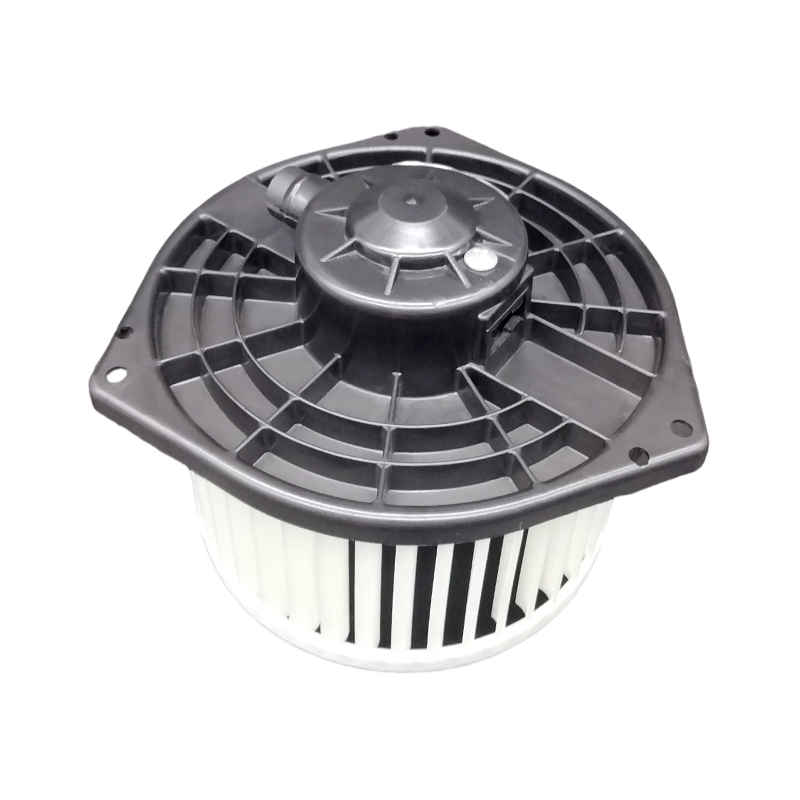
The JK-66604F blower motor is a precision replacement for Nissan S10 pickup trucks (2012 and later), Hanau, and Isuzu D-MAX/MUX (2014-2017). Its core advantage is its excellent compatibility, perfectl...
See DetailsHome / News / Industry News / Is Your Farm Vehicle's Blower Motor Failing? Here Is How to Diagnose and Replace It
Is Your Farm Vehicle's Blower Motor Failing? Here Is How to Diagnose and Replace It
Published on 04 10, 2026
Content
- 1 What Is a Farm Vehicle's Blower Motor and Why Does It Matter in Agriculture?
- 2 What Are the Signs That Your Agricultural Equipment Blower Motor Is Bad?
- 3 How to Test a Farm Tractor Blower Motor Before Replacement
- 4 Choosing the Right Heavy Duty Blower Motor for Agricultural Equipment
- 5 What Makes a High-Quality 12 Volt Blower Motor for Combine Harvester Applications?
- 6 Step-by-Step Guide to Replacing a Farm Vehicle's Blower Motor
- 7 FAQ
- 8 References
Operator comfort in modern agricultural machinery is directly tied to productivity. When the cab environment becomes unbearable due to dust infiltration, extreme temperatures, or fogged windows, the culprit is often a failing HVAC component. Central to this system is the Farm Vehicles Blower Motor. This component is not a standard automotive part; it is engineered to withstand the extreme vibration, continuous duty cycles, and high-particulate environments unique to tractors and harvesters. This article provides a comprehensive, data-driven guide to diagnosing motor failure, selecting the correct heavy-duty replacement, and executing a repair that restores full climate control functionality to your equipment.
What Is a Farm Vehicle's Blower Motor and Why Does It Matter in Agriculture?
The Farm Vehicles Blower Motor is an electromechanical fan assembly responsible for forcing air across the HVAC system's heater core and evaporator, distributing conditioned air throughout the cab. Unlike passenger vehicles, es where the motor operates intermittently, in agricultural settings, this motor often runs continuously for 10 to 16 hours a day during critical planting and harvest windows. Its performance is essential not only for operator comfort but also for maintaining positive cab pressure. This pressure differential prevents the ingress of fine dust, chaff, and chemical particulates that can obscure visibility and create respiratory hazards. A weakened motor compromises this seal, turning the cab into a dust chamber.
The engineering requirements for off-highway applications differ significantly from those of on-road automotive parts. The following comparison illustrates why using a light-duty motor in a heavy-duty agricultural environment leads to premature failure.
| Specification | Standard Automotive Motor | Heavy-Duty Agricultural Motor |
| Ingress Protection | Minimal sealing; designed for relatively clean cabin air. | Sealed housing (IP54 equivalent) to block fine dust, fertilizer residue, and high-pressure washdown water. |
| Insulation Class | Class A or B (105°C - 130°C); suitable for intermittent use. | Class F or H (155°C - 180°C); required for sustained high-thermal loads during continuous operation. |
| Vibration Damping | Basic rubber grommets tuned for paved road harmonics. | Reinforced bearing journals and balanced fan wheels are designed to absorb low-frequency, high-amplitude vibration from diesel engines. |
| Corrosion Resistance | Standard steel housings with basic paint. | E-coat or epoxy finishes on motor cases with stainless steel shafts to prevent ammonia-induced corrosion. |
What Are the Signs That Your Agricultural Equipment Blower Motor Is Bad?
Diagnosing a failing HVAC system requires distinguishing between electrical issues and mechanical wear. A Farm Vehicle's Blower Motor rarely fails without warning. Specific operational symptoms provide clear indicators of the underlying failure mode. Recognizing these early can prevent damage to the vehicle's wiring harness or resistor module.
Common Symptoms You Should Not Ignore
- Single-Speed Operation: The fan functions perfectly on the highest setting but refuses to engage on low or medium speeds. This is almost exclusively a resistor block failure, not the motor itself.
- Anemic Airflow: Even at maximum speed, the volume of air exiting the vents is significantly lower than when the machine was new. This often points to a clogged cabin air filter or a failing motor that lacks the torque to spin the fan wheelat thee rated RPM.
- Audible Squealing or Chirping: A high-pitched noise emanating from under the dash or roof liner upon startup indicates dry or worn sintered bronze bearings. This is accelerated by dust bypassing the filter and abrading the bearing surfaces.
- Intermittent Operation: The motor cuts out when traversing rough terrain. This suggests worn internal brushes that are losing contact with the commutator or a loose electrical connector exacerbated by vibration.
Why Does My Farm Cab Blower Motor Only Works on High Speed?
This is the most frequently encountered issue in agricultural HVAC troubleshooting. The blower motor resistor assembly is a series of wire coils that step down the voltage to achieve lower fan speeds. Because these coils generate significant heat, they are placed in the airflow path of the HVAC case to cool them. Over time, thermal cycling, moisture, and corrosion cause these coils to fracture. When the coil for "Low" or "Medium" breaks, the circuit is interrupted. The "High" setting bypasses the resistor entirely, delivering a full 12V directly to the motor. Therefore, if the motor runs on high, the motor itself is functional; the resistor block requires replacement.
How to Test a Farm Tractor Blower Motor Before Replacement
Before sourcing a replacement blower motor for a John Deere tractor cab or any other model, it is prudent to verify the integrity of the motor itself. Replacing a motor without testing the circuit can lead to unnecessary expense and the continued failure of the new part due to an underlying electrical fault. A systematic diagnostic approach isolates the problem to either the power supply, the control head, or the motor assembly.
Step-by-Step Diagnostic Procedures
- Visual and Mechanical Inspection: Access the blower motor housing—typically located behind the seat, under the dash, or in the cab roof. Remove the motor and inspect the "squirrel cage" fan wheel for lodged debris such as soybeans, corn, or rodent nesting material. An unbalanced fan wheel will destroy motor bearings rapidly. Check the electrical connector for signs of melting or green corrosion, which indicates high resistance heating.
- Direct Power Test (Bench Test): Using appropriately fused jumper wires, apply direct battery voltage (12V or 24V, depending on the system) to the motor terminals. Ensure correct polarity is observed. If the motor spins freely and quietly at full speed, the motor is mechanically and electrically sound. If it hums without spinning, sparks, or turns sluggishly, the motor has failed internally.
- Resistance Test (Ohms): Set a digital multimeter to the lowest Ohms setting. Measure resistance across the motor terminals. A healthy motor typically shows a reading between 0.5 and 5 Ohms. A reading of "OL" (Open Loop) indicates a broken internal winding, while a reading of 0.0 indicates an internal short circuit.
Tools You Will Need for Accurate Testing
- Digital Multimeter (capable of measuring DC Voltage and Resistance).
- Fused Jumper Wires (12-14 gauge wire with an inline fuse holder).
- Insulated Gloves and Safety Glasses.
- Basic Socket Set for panel removal.
Choosing the Right Heavy Duty Blower Motor for Agricultural Equipment
When a replacement is necessary, selecting a heavy-duty blower motor for agricultural equipment ensures the repair lasts beyond a single season. The agricultural environment demands components that exceed the specifications of standard automotive parts. Failure to recognize the specific electrical and mechanical requirements can lead to immediate motor burnout or inadequate airflow.
Why Automotive Blower Motors Fail Prematurely on Farms
Light-duty automotive motors are constructed with Class A insulation and sintered bronze bushings. In a farm tractor, the alternator output can fluctuate significantly, and the constant low-frequency vibration of a diesel engine accelerates bushing wear. Furthermore, the voltage in many older agricultural machines can spike above 14.5V during heavy charging cycles, which dramatically shortens the lifespan of standard carbon brushes. A Farm Vehicle's Blower Motor utilizes copper-graphite brushes and sealed ball bearings specifically to mitigate these failure modes.
Key Specifications for a Replacement Blower Motor for John Deere Tractor Cab and Other Models
When cross-referencing parts, do not rely solely on the tractor model year. Always verify the physical and electrical specifications of the removed motor. The two most critical variables are voltage and rotation direction.
| Voltage System | Typical Application | Critical Note |
| 12V DC | Most modern row-crop tractors, utility vehicles, and combines (under 300 HP). | Installing a 12V motor in a 24V system results in immediate, catastrophic failure due to over-speeding and winding burnout. |
| 24V DC | Heavy construction equipment, larger articulated tractors, military-spec vehicles. | 24V motors have higher resistance windings. A 12V system cannot supply sufficient current to operate a 24V motor effectively. |
Additionally, confirm these specifications:
| Specification | Importance of Installation |
| Rotation (CW/CCW) | The fan wheel is directional. Installing a motor with reverse rotation will result in almost zero airflow despite the motor spinning. |
| Shaft Diameter & Length | Common sizes are 5/16" or 3/8". An incorrect shaft fitment will cause the fan wheel to rub against the housing, creating noise and motor drag. |
| Vent Tube Orientation | Many motors feature a rubber cooling tube. Ensure the replacement vents downward to prevent water ingress during cab washdowns. |
What Makes a High-Quality 12 Volt Blower Motor for Combine Harvester Applications?
Combine harvesters present the ultimate test for HVAC components due to the sheer volume of airborne chaff and grain dust. A 12-volt blower motor for combine harvester cabins must incorporate specific design features to ensure it survives the harvest season. When evaluating a replacement unit, look beyond the price and examine the construction details that indicate a durable, high-performance aftermarket solution.
- Sealed Ball Bearings vs. Bushings: Double-sealed, permanently lubricated ball bearings are essential for combined duty. They prevent the ultra-fine dust created during soybean or corn harvest from penetrating the bearing race and causing seizure. Sintered bronze bushings, common in cheaper units, have open pores that trap dust and act as a grinding paste.
- Thermal Overload Protection: Combinesare often idle for extended periods during unloading. A motor equipped with an internal, self-resetting thermal limiter will shut down temporarily if the fan becomes blocked by a plastic bag or if the motor overheats due to a clogged filter. This prevents the motor from melting the internal armature windings.
- Copper-Graphite Brushes: These brushes offer lower electrical resistance and greater wear resistance than standard carbon brushes. They are essential for maintaining consistent motor speed under the heavy electrical load of a combine's fluctuating electrical system.
- High-Torque Windings: Combine cabs have larger interior volumes and deeper HVAC cases. The motor must produce sufficient torque to overcome static pressure and move a high volume of air (CFM) through restrictive ductwork.
Step-by-Step Guide to Replacing a Farm Vehicle's Blower Motor
Replacing a Farm Vehicles Blower Motor is a task that most farm operators or fleet mechanics can complete with basic hand tools. The difficulty lies primarily in access rather than mechanical complexity.
Safety Precautions and Accessing the HVAC Unit
- Battery Disconnect: Always disconnect the negative terminal of the battery before unplugging any electrical connectors under the dash. This prevents accidental short circuits that can damage the blower resistor or control module.
- Panel Removal: Blower motors are typically accessed from the lower dash area (passenger side) or from the cab roof exterior panel. Remove trim panels carefully; plastic clips in older machinery become brittle and are easily broken.
- Housing Access: The motor is usually retained by a circular mounting plate with three or four screws. Once the screws are removed, the entire motor and fan wheel assembly can be withdrawn from the HVAC case.
Installation Tips for Optimal Performance and Longevity
- Clean the Evaporator Core: While the motor is out, use a flashlight to inspect the evaporator or heater core. This is a prime opportunity to blow out accumulated chaff and dust with compressed air. A clean core reduces the static pressure the new motor must work against.
- Inspect and Replace the Cabin Filter: A restricted cabin filter is the leading cause of blower motor failure. Never reinstall a new motor without checking the filter. In heavy dust conditions, replace this filter every 250 operating hours.
- Secure the Wiring: Ensure the wiring harness is secured away from sharp metal edges and the motor's rotating shaft. Use zip ties to prevent the wires from vibrating against the housing.
- Test All Speeds: Before reinstalling all interior trim panels, reconnect the battery and test the fan switch on all speeds (Low, Medium, High) to confirm proper operation of both the new motor and the resistor block.
FAQ
Why does my tractor blower motor make a loud squealing noise when I first turn it on?
A loud squealing or chirping noise emanating from the Farm Vehicles Blower Motor area is a definitive sign of bearing failure. The noise occurs because the lubricant in the motor's sintered bronze bushings or ball bearings has dried out or become contaminated with fine dust. In cold weather, the clearance between the shaft and the bearing is tighter, which amplifies the noise until friction generates enough heat to expand the metal. While temporary lubricants applied to the shaft might quiet the noise for a few days, they attract more dust and accelerate wear. This condition is a warning that the motor shaft is wobbling, which will eventually allow the fan wheel to contact the housing and stall the motor, often blowing the HVAC fuse. The only reliable repair is motor replacement.
How do I know if the problem is the blower motor or the resistor when the fan only works on high?
This is a classic diagnostic scenario for a farm cab blower motor that only works at high speed. The blower motor resistor is a series of wire coils that reduce voltage for lower speeds. High speed is a direct 12V circuit that bypasses the resistor entirely. Therefore, if the motor runs strongly and quietly on the highest setting, the motor itself is almost always in good working condition. The failure point is the resistor block. You can confirm this by locating the resistor (usually mounted near the motor with a multi-wire plug) and inspecting it for a broken coil or corrosion. Replacing the resistor is significantly less expensive and less labor-intensive than replacing the motor. However, ensure you replace the cabin filter as well, because restricted airflow is what causes the resistor to overheat and fail in the first place.
Can I replace my 24-volt farm vehicle blower motor with a 12-volt motor in an emergency?
No, you cannot safely or effectively operate a 12V Farm Vehicles Blower Motor in a 24V electrical system, even temporarily. Applying 24 volts to a motor designed for 12-volt operation will cause the armature to spin at approximately twice its rated RPM. This extreme rotational speed generates excessive centrifugal force that can physically shatter the plastic fan wheel and will quickly burn out the motor windings within minutes due to excessive current draw. Furthermore, the wiring and fuses for a 24V system are rated for lower amperage; the 12V motor will draw significantly more current, potentially melting the vehicle's wiring harness before the fuse reacts. Always match the replacement motor voltage exactly to the machine's system voltage. If you must verify your system voltage, check the battery configuration: a single battery typically indicates a 12V system, while two batteries wired in series indicate a 24V system.
References
- American Society of Agricultural and Biological Engineers (ASABE).Standards for Operator Cab Environment: Heating, Ventilating, and Air-Conditioning.ASABE S525.
- NXP Semiconductors.Application Note AN115: Controlling Blower Motors in Harsh Environments.2022.
- SAE International.Surface Vehicle Recommended Practice J2635: Off-Road Machinery HVAC Systems.SAE International, 2020.
- University of Nebraska-Lincoln Tractor Test Laboratory.Operator Cab Climate Control Performance Metrics.Nebraska Tractor Test Reports, 2023.
Related products
-
-
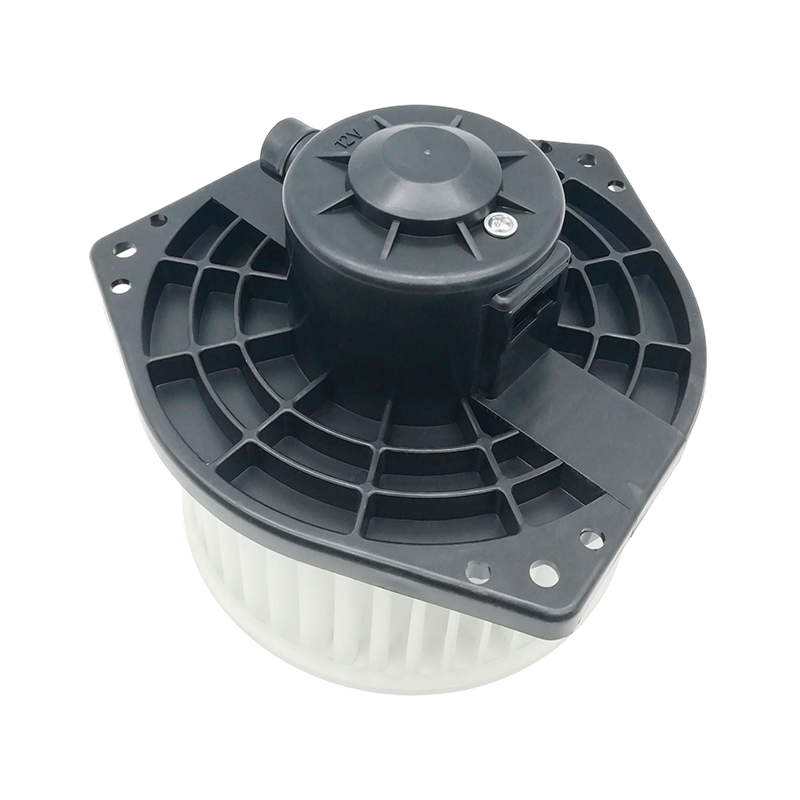
The JK-66606F is a blower with broad cross-model compatibility, perfectly suited for models such as the Isuzu D-MAX, Nissan Maxima, Sentra A33, and Infiniti I30/I35. It integrates multiple core OEM No...
See Details -
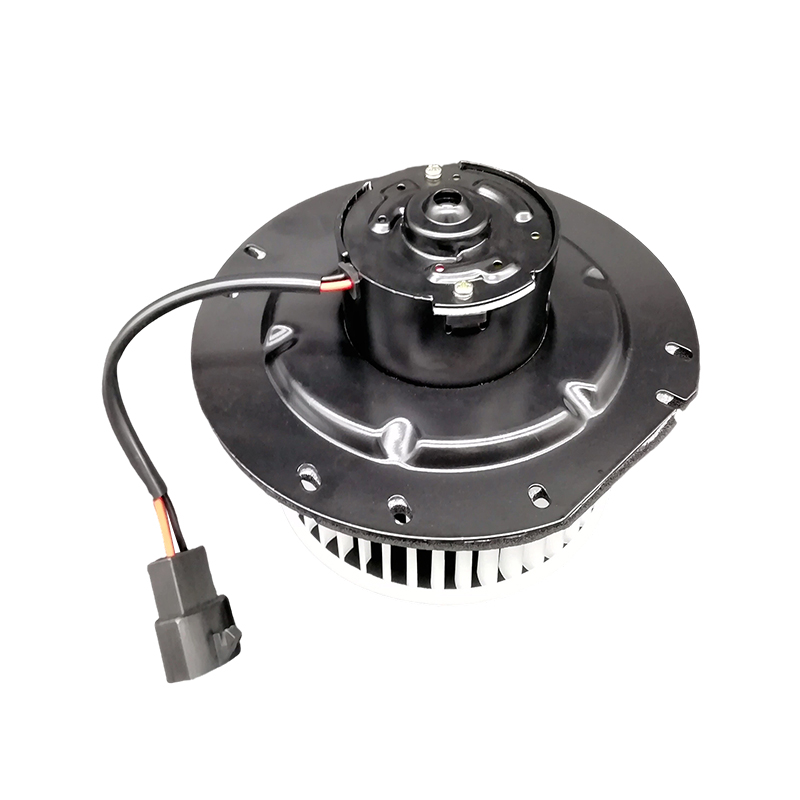
This custom blower motor is specifically designed for the 1998-2011 Ford Ranger pickup truck. Its core dimensions are 157x75 mm, and it features a clockwise (CW) rotation design, delivering performanc...
See Details -
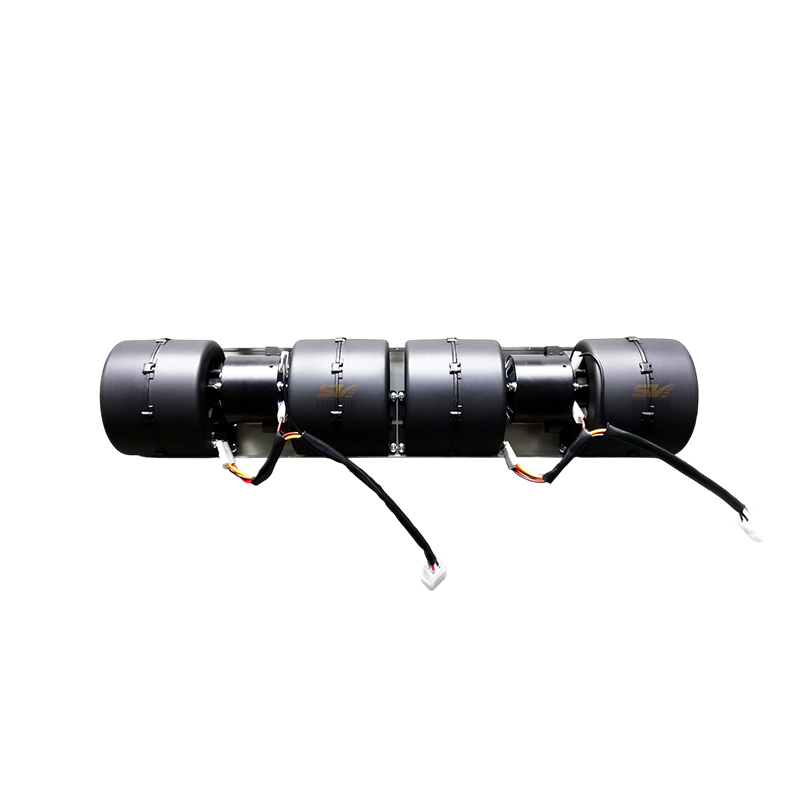
The JK-77027A is a versatile blower with good compatibility, designed to cover a wide range of tractor models from major agricultural machinery brands, including Deere, New Holland, and Ferguson (such...
See Details -
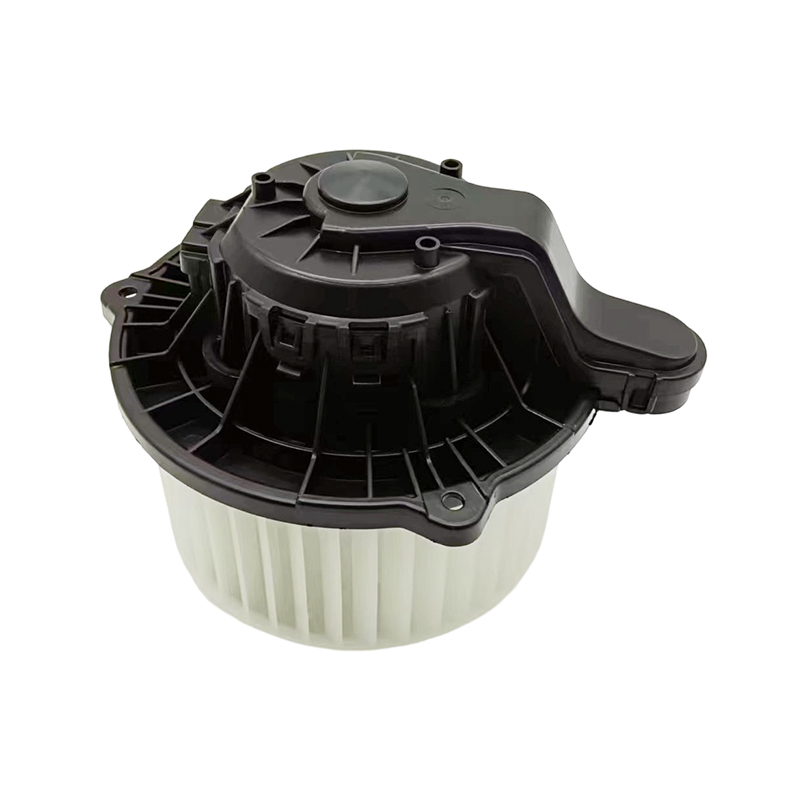
A modern air conditioning blower motor for the 2013 and later generation Ford Ranger. Built to exacting original equipment specifications (OEM No. No. 264457, RC.530.136), this motor is designed to me...
See Details -
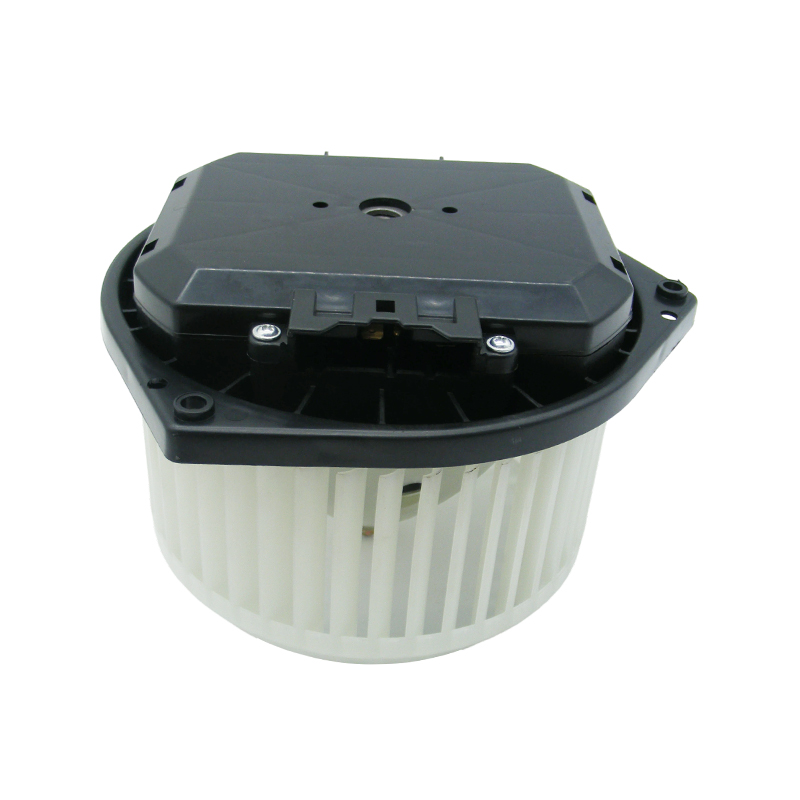
To meet the luxury brand's demand for higher levels of quietness and performance, the JK-66901F blower motor is specifically designed for the Infiniti EX35 and Q50 models. It adheres strictly to origi...
See Details
© 2026 Zhejiang Shuolang Motor Parts Co., Ltd. All Rights Reserved. Custom Automotive Air Conditioning Parts Manufacturer
