


 русский
 Español
 عربى
عربى Türk
Türk
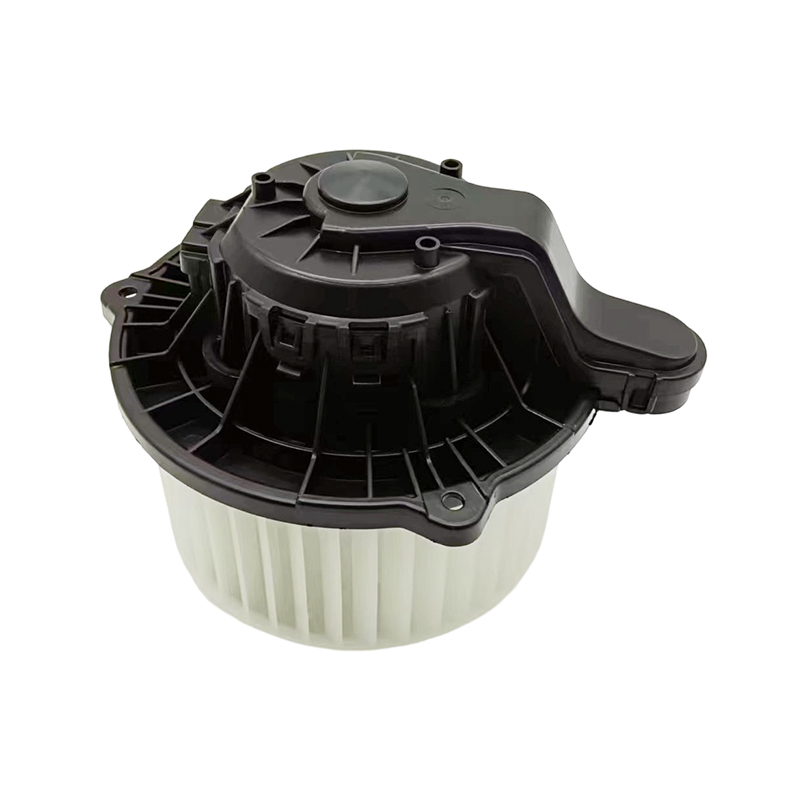
A modern air conditioning blower motor for the 2013 and later generation Ford Ranger. Built to exacting original equipment specifications (OEM No. No. 264457, RC.530.136), this motor is designed to me...
See DetailsHow Can a Variable Speed Blower Motor Improve Energy Efficiency?
Published on 04 10, 2026
Blower motors are essential components in a wide range of applications, from residential HVAC systems to industrial ventilation. As the demand for energy efficiency and sustainability grows, these motors have evolved significantly over time, adapting to a variety of use cases.
What is a Blower Motor?
A blower motor is an electric motor used to drive a fan or blower, which moves air or gas through a system. These motors play a pivotal role in various systems, such as heating, ventilation, and air conditioning (HVAC), industrial air handling, and automotive cooling systems.
Definition and Basic Working Principle
The blower motor operates by converting electrical energy into mechanical energy to rotate a fan. The rotating fan then propels air through ducts or pipes, creating airflow in systems like HVAC units or industrial ventilation systems. In essence, the blower motor ensures that air or gas circulates efficiently through the system to meet operational needs.
Historical Development and Technological Evolution
Over time, the technology behind blower motors has evolved to become more energy-efficient and versatile. Early models were simple mechanical devices powered by single-speed motors. Today, modern blower motors incorporate variable speed and enhanced control systems, improving both energy consumption and performance.
Types and Features of Blower Motors
Blower motors come in various types, each designed to meet specific needs and applications. Here, we explore the most common types of blower motors and their key features.
HVAC Blower Motors
Applications: HVAC systems in residential and commercial buildings rely on blower motors to circulate air for heating and cooling purposes. These motors are designed for continuous operation, offering durability and efficient airflow.
Key Features:
- High efficiency to reduce energy consumption.
- Long-lasting, designed to work in demanding environments.
- Easy integration with HVAC systems.
Comparison of HVAC Blower Motors and Other Types
| Feature | HVAC Blower Motor | Industrial Blower Motor | Variable Speed Blower Motor | Standard Blower Motor |
|---|---|---|---|---|
| Efficiency | High | Moderate | High | Low |
| Application Range | Residential & Commercial HVAC | Industrial Ventilation | Energy-saving Applications | General Purpose |
| Lifespan | Long | Moderate | Long | Short |
| Price | Moderate | High | High | Low |
Industrial Blower Motors
Applications: Industrial blower motors are used in factory settings, warehouses, and other heavy-duty environments. They’re crucial for maintaining airflow in processes such as material handling, cooling, and exhaust.
Key Features:
- High power output to handle demanding industrial tasks.
- Built to withstand high temperatures and harsh conditions.
- Often used in hazardous environments, requiring robust construction.
Variable Speed Blower Motors
Applications: These motors offer precise control over airflow, making them ideal for energy-efficient HVAC systems and modern buildings with smart climate control technologies.
Key Features:
- Adjustable speed settings for improved energy efficiency.
- Enhanced comfort by providing consistent airflow.
- Reduced wear and tear due to less frequent high-speed operation.
Applications of Blower Motors
Blower motors are used in a variety of industries, each with specific demands that require different types of motors.
Residential and Commercial HVAC Systems
Demand Background: HVAC systems are essential in regulating indoor air quality and comfort. Blower motors are integral to ensuring proper airflow, whether heating in winter or cooling in summer.
Importance: Properly functioning blower motors help optimize energy use, reduce heating and cooling costs, and maintain consistent temperatures.
Industrial and Manufacturing Sectors
Demand Background: Factories, warehouses, and industrial facilities often need large-scale ventilation systems to ensure air quality, cooling, and safety. Blower motors in these environments are required to work at high capacities and endure challenging conditions.
Blower Motor Type Selection for Common Industrial Applications
| Industrial Application | Recommended Blower Motor Type | Notes |
|---|---|---|
| Manufacturing Plants | Industrial Blower Motor | High power, durable |
| Warehouse Ventilation | Variable Speed Blower Motor | Energy-saving, adaptable |
| Power Plants | HVAC Blower Motor | Ensures consistent cooling |
| Food Processing | Variable Speed Blower Motor | Energy efficiency critical |
Air Conditioning and Heating Systems
HVAC in Residential and Commercial Applications: Blower motors in air conditioning systems circulate air through ducts to cool or heat indoor spaces. Choosing the right motor ensures consistent and efficient operation.
Energy Efficiency and Blower Motors
As the push for sustainability increases, energy efficiency becomes a top priority for both residential and industrial blower motor users. Choosing high-efficiency blower motors can lead to significant energy savings and lower operational costs.
How to Choose an Energy-Efficient Blower Motor?
When selecting a blower motor, consider the following factors:
- Motor type: Variable speed motors tend to be more efficient compared to fixed-speed motors.
- Application needs: Assess the airflow demands and choose a motor that matches the system requirements.
- Energy ratings: Look for motors that are certified for energy efficiency (e.g., ENERGY STAR or equivalent).
High-Efficiency Blower Motors and Their Advantages
Variable speed blower motors, in particular, offer significant energy-saving potential. These motors can adjust their speed to match the system’s needs, rather than running at full power continuously.
Energy Efficiency Comparison of Different Blower Motors
| Blower Motor Type | Energy Efficiency | Common Applications | Energy Savings |
|---|---|---|---|
| Variable Speed Motor | High | Energy-efficient HVAC systems | 50% or more |
| Industrial Blower | Moderate | Factory ventilation | 20-30% |
| Standard Blower | Low | General purpose ventilation | Minimal |
How to Optimize Blower Motor Efficiency?
- Regular maintenance: Keeping motors clean and lubricated helps them run more efficiently.
- Variable speed drives: These allow for more precise control of motor output, reducing unnecessary power consumption.
- System design: Proper ducting and airflow management can ensure the blower motor operates at peak efficiency.
Maintenance and Troubleshooting for Blower Motors
Regular maintenance is crucial to prolonging the life of a blower motor and ensuring its continued efficient performance.
Common Blower Motor Failures and Their Causes
Blower motors can encounter several issues over time, including:
- Overheating: Due to inadequate airflow or excessive load.
- Excessive noise: Often caused by worn-out bearings or dirty components.
- Motor failure: Resulting from electrical issues or worn-out components.
Routine Maintenance Methods
- Clean the motor regularly to avoid dust buildup, which can reduce airflow and lead to overheating.
- Check electrical connections to ensure the motor is receiving the correct voltage.
- Lubricate moving parts to reduce friction and extend the motor’s lifespan.
Common Blower Motor Issues and Solutions
| Issue | Cause | Solution |
|---|---|---|
| Motor not spinning | Power failure, loose wiring | Check connections, test power |
| Excessive noise | Worn bearings, dust buildup | Replace bearings, clean motor |
| Overheating | Poor airflow, overload | Clean filters, reduce load |
Conclusion
Blower motors are essential components in a variety of applications, from HVAC systems to industrial environments. Choosing the right blower motor, ensuring energy efficiency, and maintaining these systems properly can help businesses and homeowners save money, reduce their environmental impact, and ensure optimal performance.
By understanding the different types of blower motors, their applications, and how to maintain them, you’ll be equipped to make an informed decision when purchasing and operating these critical systems. Whether you’re in need of a high-efficiency HVAC blower motor or a heavy-duty industrial blower, selecting the right motor is key to long-term success.
FAQ
1. What is the main function of a blower motor?
A blower motor is responsible for moving air or gas through a system, creating airflow to regulate temperature, ventilation, and air quality. It is commonly used in HVAC systems, industrial applications, and automotive cooling systems.
2. How can I improve the energy efficiency of my blower motor?
To improve the energy efficiency of your blower motor, consider using a variable speed motor, ensuring regular maintenance, and optimizing system design for better airflow. Additionally, ensuring that your system is well-maintained (clean filters, proper lubrication) can help reduce energy consumption.
3. What are the differences between HVAC blower motors and industrial blower motors?
HVAC blower motors are designed for residential and commercial heating and cooling systems, focusing on efficiency and durability. Industrial blower motors, on the other hand, are built for heavy-duty applications, often handling larger volumes of air and operating in harsher conditions.
4. Why is my blower motor making a loud noise?
A loud noise from a blower motor is often caused by worn-out bearings, dirt buildup, or an unbalanced fan. Regular cleaning and lubrication of the motor, as well as checking for loose parts, can often resolve the issue. In some cases, the bearings may need to be replaced.
5. How often should I replace my blower motor?
The lifespan of a blower motor varies depending on its type and usage. On average, a blower motor can last 10-20 years. However, if you notice performance issues, unusual noises, or reduced airflow, it may be time for a replacement or repair.
Related products
-
-
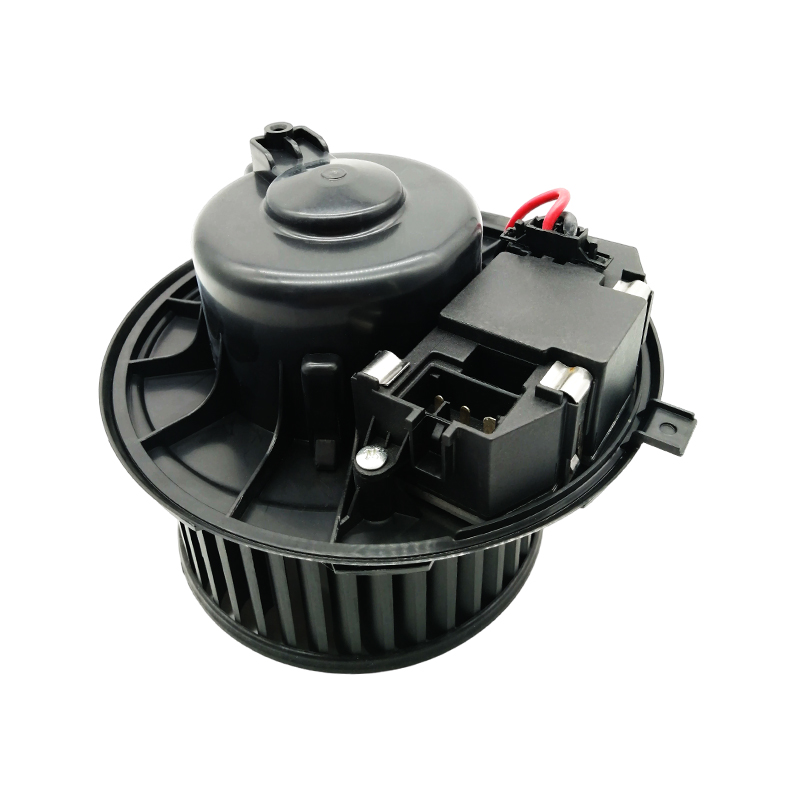
The JK-66136DZ is a blower assembly with an integrated electronic speed control module, designed specifically for popular Volkswagen Group models. It perfectly replaces the original factory part, ensu...
See Details -
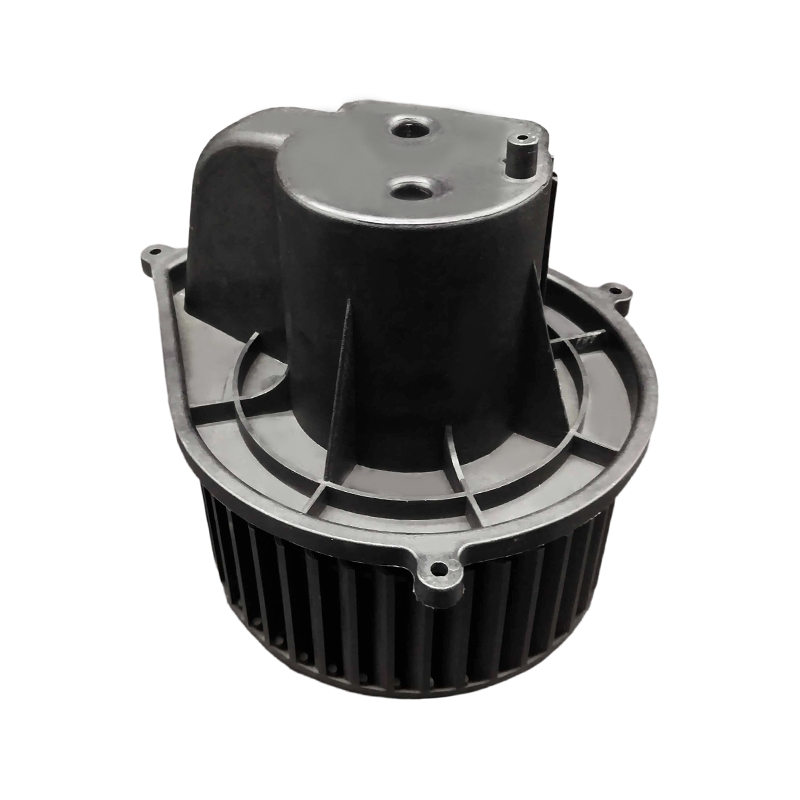
A precision replacement blower for 2006-2008 Fiat Ducatos. The JK-66701 adheres strictly to original equipment manufacturer specifications (OEM No.: 46722992), ensuring perfect compatibility with the ...
See Details -
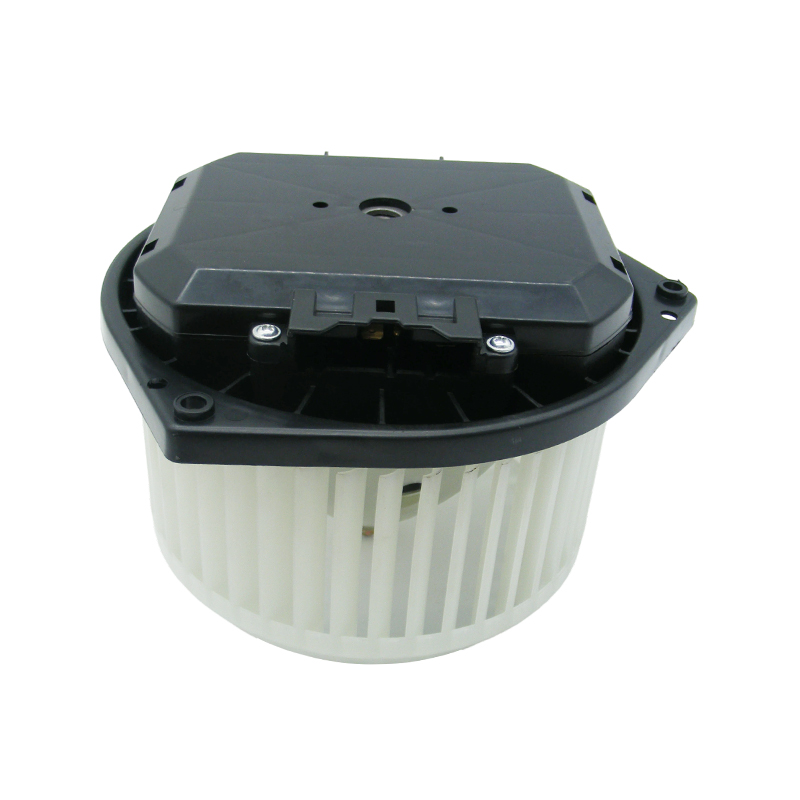
To meet the luxury brand's demand for higher levels of quietness and performance, the JK-66901F blower motor is specifically designed for the Infiniti EX35 and Q50 models. It adheres strictly to origi...
See Details -
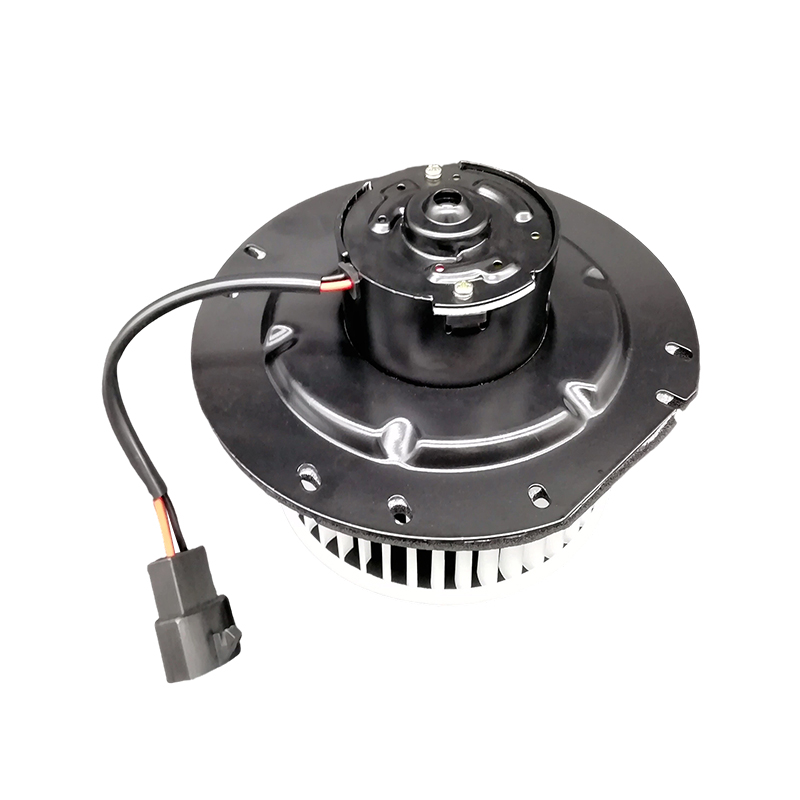
This custom blower motor is specifically designed for the 1998-2011 Ford Ranger pickup truck. Its core dimensions are 157x75 mm, and it features a clockwise (CW) rotation design, delivering performanc...
See Details -
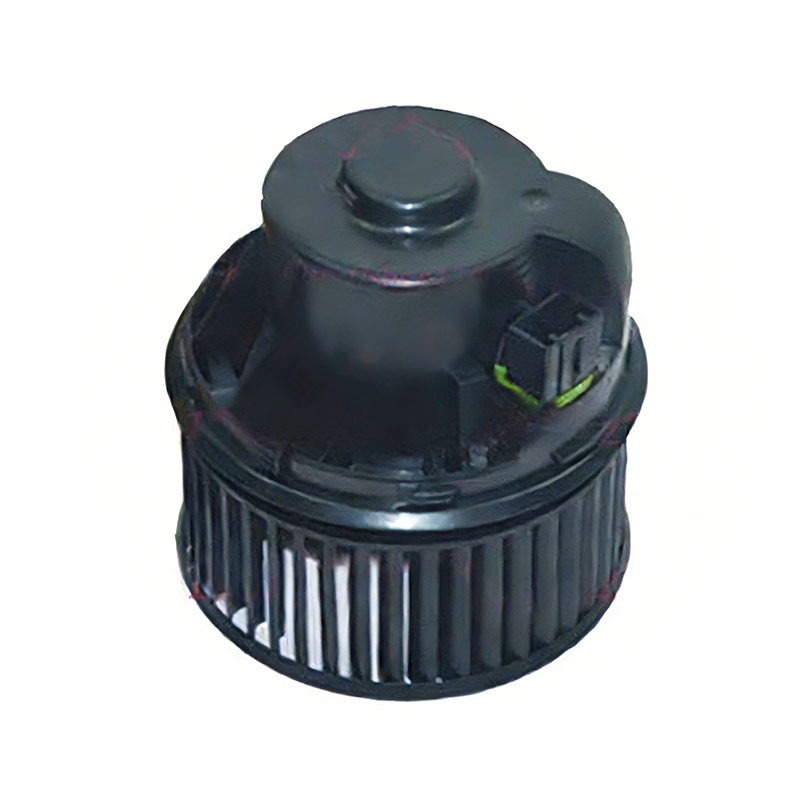
Ford Focus owners, take note! The JK-66651 heater blower is the perfect replacement for your vehicle's outdated unit. Compatible with original factory part numbers 1696010 and 1362640, it ensures a ha...
See Details
© 2026 Zhejiang Shuolang Motor Parts Co., Ltd. All Rights Reserved. Custom Automotive Air Conditioning Parts Manufacturer
