


 русский
 Español
 عربى
عربى Türk
Türk
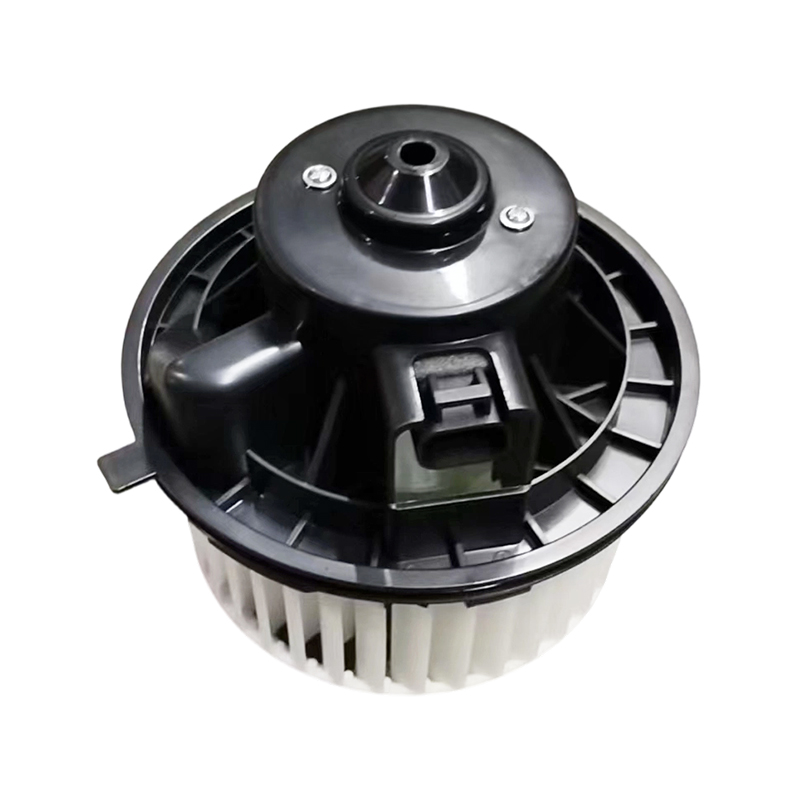
The JK-66625 cooling fan is designed specifically for various General Motors luxury and premium models. Measuring 148 x 75 mm and rotating clockwise, it effectively improves engine heat dissipation. I...
See DetailsHow Blower Motors Improve Cooling Efficiency in Industrial Machinery
Published on 05 28, 2026
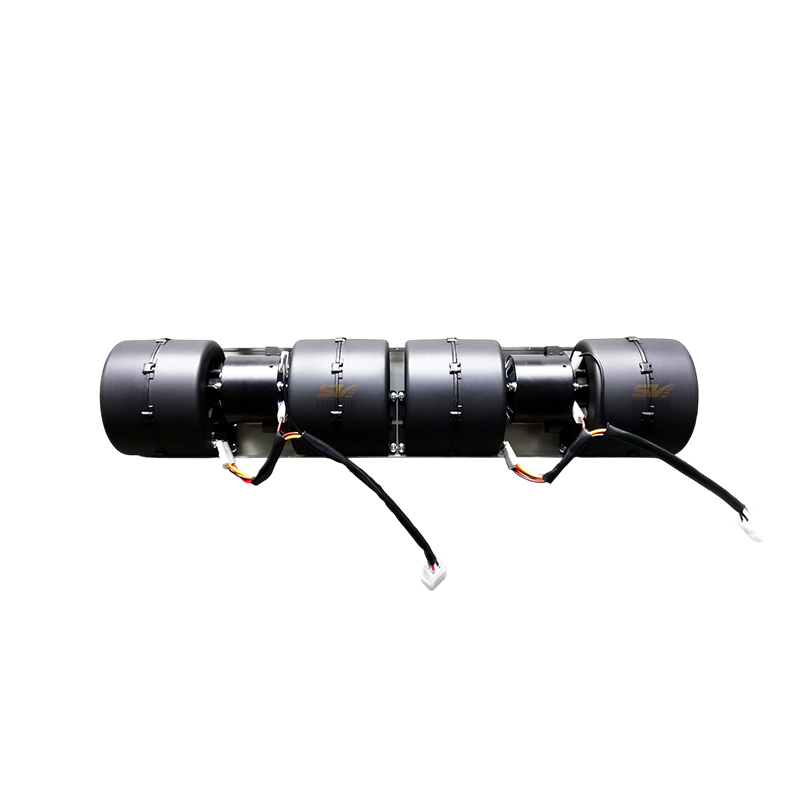
In modern industrial environments, maintaining stable operating temperatures is essential for equipment reliability, productivity, and long-term performance. As machinery becomes more compact and powerful, heat generation increases, making efficient cooling systems a critical component of industrial design. Among various thermal management solutions, the blower motor plays a central role in improving airflow performance and ensuring effective heat dissipation across complex systems.
Unlike conventional fans that mainly circulate air in open environments, a blower motor is designed to generate high-pressure, directional airflow capable of overcoming resistance in ducts, filters, and confined spaces. This makes it especially suitable for industrial applications where consistent and targeted cooling is required.
Working Principle of Blower Motors in Cooling Systems
A blower operates by drawing air into an impeller chamber and accelerating it to produce high-pressure airflow. This airflow is then directed through ducts or channels to specific areas requiring cooling or ventilation. The key advantage lies in its ability to maintain stable air delivery even under system resistance.
Core operational characteristics:
- High air pressure output for resistance-heavy environments
- Directional airflow for targeted cooling zones
- Continuous operation under industrial loads
- Compatibility with ducted and enclosed systems
These characteristics allow the blower motor to perform effectively in environments where standard ventilation systems would lose efficiency.
Key Features Supporting Cooling Efficiency
The effectiveness of a blower motor in industrial cooling systems is determined by several technical features that enhance airflow stability and energy utilization.
| Feature | Function | Impact on Cooling Efficiency |
|---|---|---|
| High Air Pressure Design | Overcomes system resistance | Ensures airflow reaches target zones |
| Directional Air Supply | Focuses airflow delivery | Prevents energy loss and improves precision cooling |
| High-Performance Motor | Maintains continuous operation | Reduces overheating risk in machinery |
| Structural Flexibility | Supports different configurations | Adapts to varied industrial systems |
These features collectively improve the performance of an industrial cooling system by optimizing air distribution and minimizing thermal buildup.
Role of Blower Motors in Industrial Applications
Blower motors are widely integrated into multiple industrial systems due to their ability to provide stable and controlled airflow. Their applications extend beyond simple cooling, contributing to process stability and equipment protection.
1. Equipment Cooling
Blower motors are commonly used to cool machinery such as control cabinets, laser systems, and welding equipment. By directing airflow precisely to heat-sensitive components, they help maintain optimal operating temperatures and reduce thermal stress.
2. Material Drying and Conveying Systems
In production environments, controlled airflow is essential for drying processes and pneumatic material transport. High-pressure blowers ensure consistent movement of air and materials through pipelines.
3. Ventilation in Enclosed Systems
Industrial ventilation systems often require air movement through confined spaces. Blower motors provide the necessary force to maintain airflow in ducts and enclosed chambers.
4. Combustion and Air Supply Systems
In thermal processing applications, blowers support combustion by supplying controlled air volume, helping maintain stable burning conditions and system efficiency.
How Blower Motors Improve Cooling Efficiency
The contribution of blower motors to cooling efficiency can be understood through several functional mechanisms:
- Improved heat transfer through forced convection
- Reduction of hot spots within equipment enclosures
- Stable airflow distribution across multiple cooling zones
- Enhanced system reliability under continuous operation
- Better adaptation to high-resistance airflow environments
By ensuring consistent airflow pressure, blower motors reduce the likelihood of overheating and extend the operational lifespan of industrial machinery.
Types of Blower Motors Used in Industry
Different industrial environments require different blower configurations. The most common types include:
- Centrifugal blowers: Suitable for high-pressure applications and ducted systems
- Vortex blowers: Designed for compact systems requiring stable airflow
- Axial-assisted blowers: Used where moderate pressure and high airflow volume are needed
Each type is selected based on pressure requirements, airflow distance, and system resistance levels.
FAQ: Blower Motors in Industrial Cooling
1. What is the main advantage of a blower motor over a fan?
A blower motor generates higher pressure airflow, allowing it to move air through ducts and resistive environments more effectively than standard fans.
2. Can blower motors be used in enclosed machinery?
Yes, they are specifically designed for enclosed and high-resistance systems where directional airflow is required.
3. How do blower motors improve energy efficiency?
By delivering targeted airflow only where needed, they reduce unnecessary air circulation and improve cooling efficiency.
4. Are blower motors suitable for continuous operation?
Yes, industrial-grade blower motors are built for long-term, stable operation under high load conditions.
Conclusion
As industrial systems continue to evolve toward higher power density and compact design, efficient thermal management becomes increasingly important. The blower motor provides a reliable and efficient solution by delivering high-pressure, directional airflow capable of overcoming system resistance.
Through improved airflow control, stable operation, and adaptability across various applications, blower motors significantly enhance cooling performance in industrial machinery. Their role in modern industrial ventilation and cooling systems makes them an essential component in maintaining equipment stability, efficiency, and long-term operational reliability.
Related products
-
-
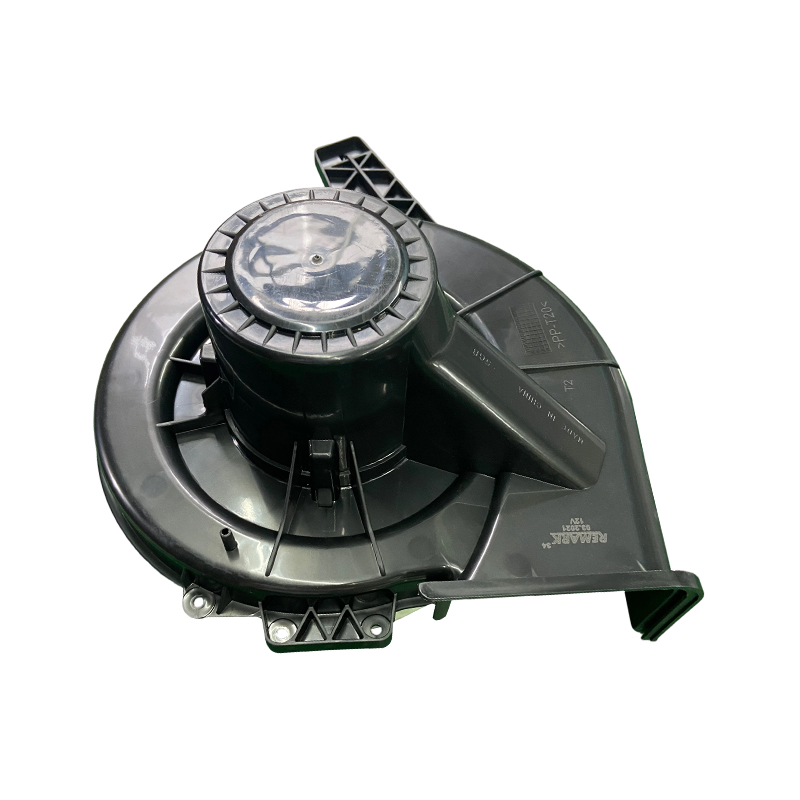
The JK-66144 is a high-quality air conditioning blower specifically designed for Volkswagen Group A0-segment small cars. Its compact design and reliable performance ensure effective interior air circu...
See Details -
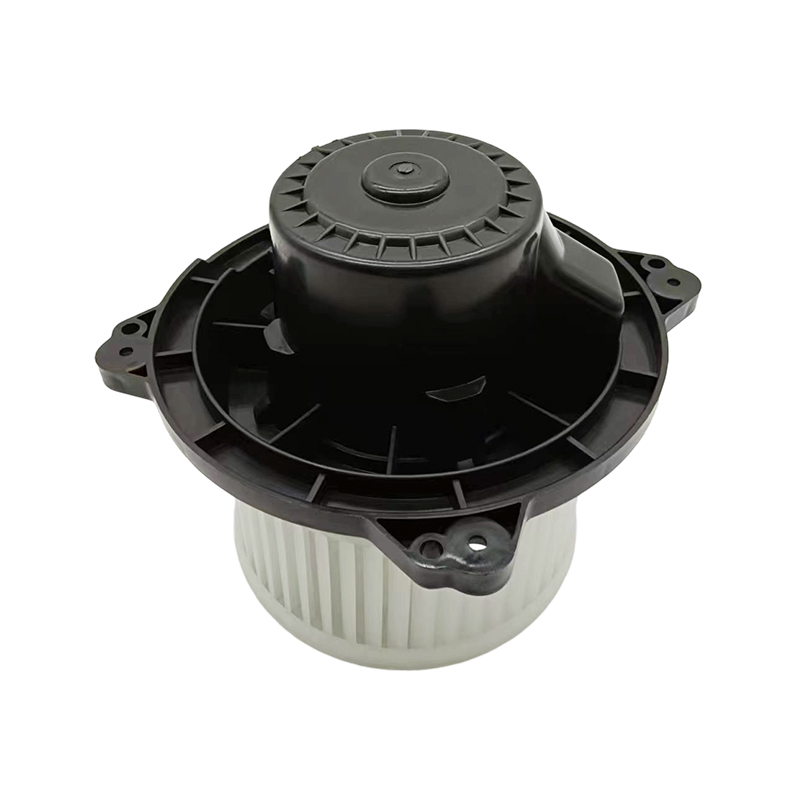
This is a clockwise (CW) blower assembly designed for various Ford models. Designed to adhere strictly to Ford factory standards, it ensures precise installation and compatible electrical connections....
See Details -
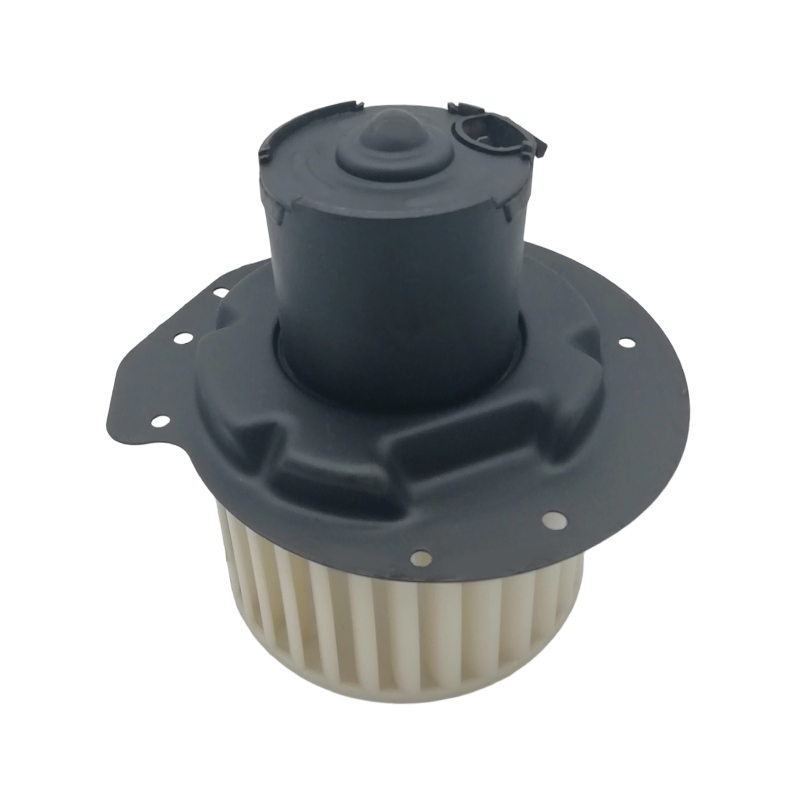
If you're looking for a reliable air conditioning blower for your 1995 or newer Ford F-1000, the JK-66669 is the perfect choice. Developed to strictly match the original manufacturer's code RC.530.004...
See Details -
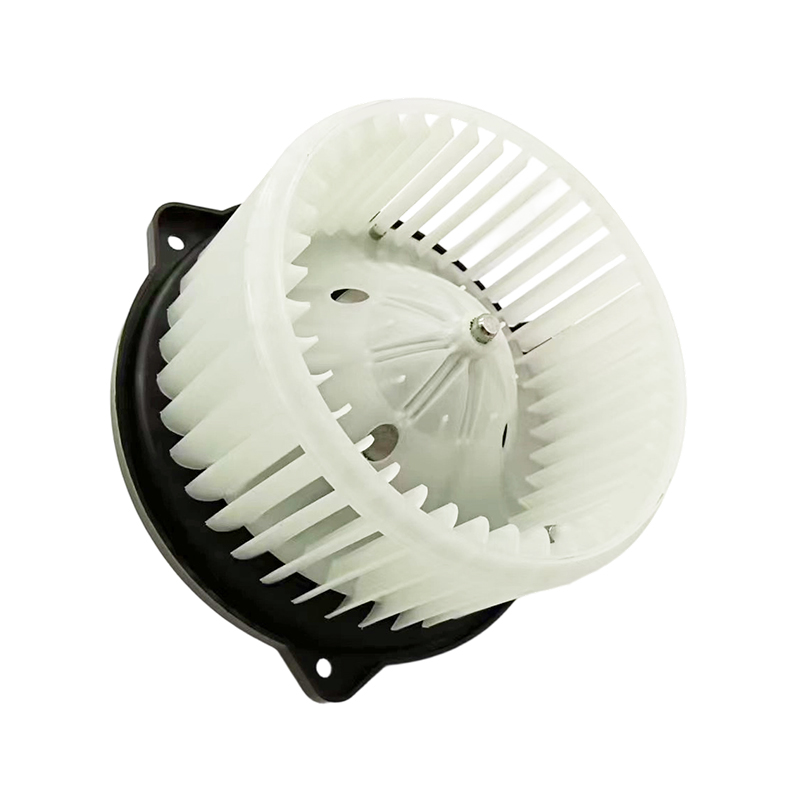
This blower, model JK-66423A, is specifically designed for right-hand drive (RHD) vehicles. It's primarily designed for right-hand drive Toyota Corolla models from 2001-2007 and Avensis models from 20...
See Details -
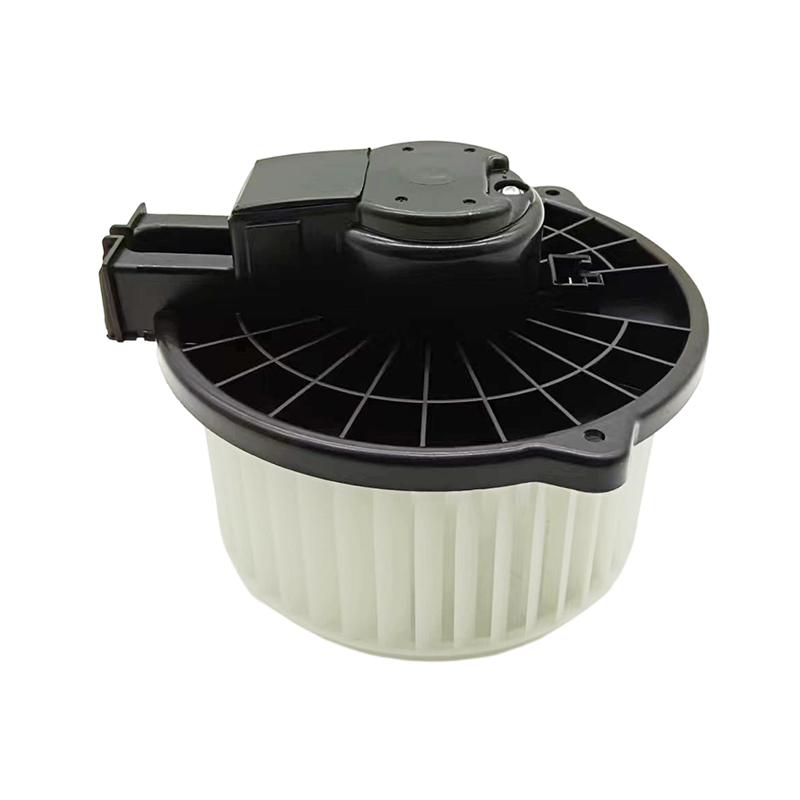
The JK-66514 is a blower assembly designed for mid-to-large MPVs. Its 148 x 75 mm dimensions and clockwise rotation make it ideal for the 2005-2010 Toyota Sienna and 2011-2017 Honda Odyssey. This comp...
See Details
© 2026 Zhejiang Shuolang Motor Parts Co., Ltd. All Rights Reserved. Custom Automotive Air Conditioning Parts Manufacturer
