


 русский
 Español
 عربى
عربى Türk
Türk
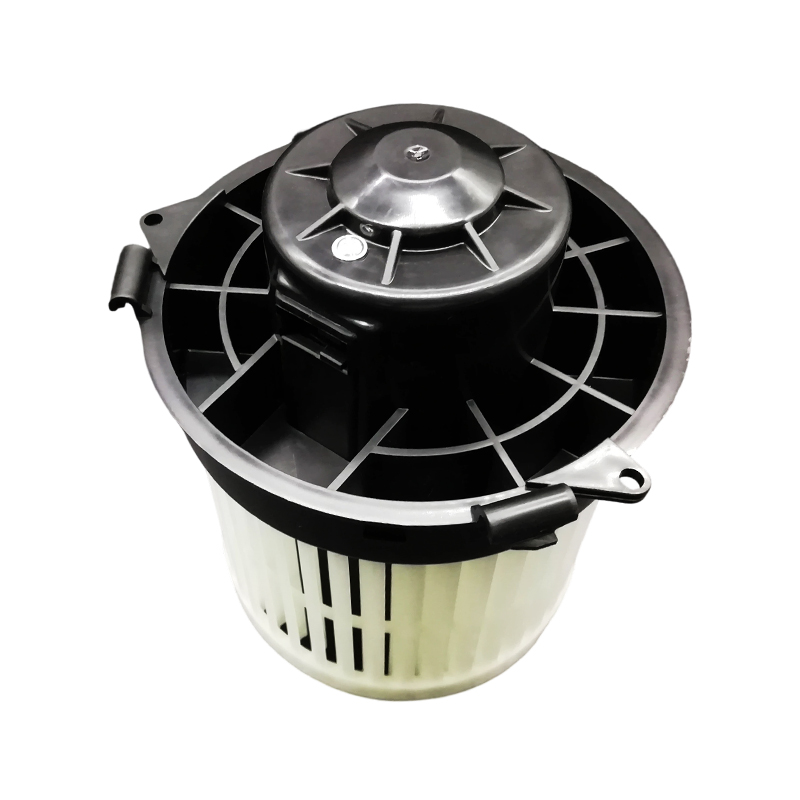
The JK-66604F blower motor is a precision replacement for Nissan S10 pickup trucks (2012 and later), Hanau, and Isuzu D-MAX/MUX (2014-2017). Its core advantage is its excellent compatibility, perfectl...
See DetailsWhat Is an Automotive Blower Motor and How Does It Work?
Published on 05 22, 2026
Content
- 1 Core Components of the Blower Motor System
- 2 How the Blower Motor Operates Step by Step
- 3 Two Main Types of Speed Control: Resistor vs. Electronic Module
- 4 How to Identify Blower Motor Problems Early
- 5 Extending Blower Motor Life: Essential Maintenance
- 6 Electrical & Voltage Influence on Blower Motor Operation
- 7 Blower Motor vs. Blend Door Actuator: Key Difference
- 8 Modern Automotive Blower Motor Advancements
- 9 At-a-Glance: Blower Motor Facts You Can Use
The automotive blower motor is a variable-speed DC electric motor that forces air through the vehicle’s HVAC (heating, ventilation, and air conditioning) system. It works by spinning a fan (squirrel-cage or centrifugal wheel) when voltage is applied; the blower motor resistor or electronic module controls the fan speed by varying current or pulse-width modulation. Simply put, it’s the component that pushes heated, cooled, or fresh air from the vents into the cabin — without it, no airflow reaches the interior regardless of temperature settings.
Regardless of the climate control settings, the blower motor is the sole mover of air. The motor’s shaft connects directly to a blower wheel; once powered, the wheel rotates and draws air from the outside or recirculated cabin air through the HVAC case, across the heater core or evaporator, and out through the dashboard vents. Its performance directly affects defrosting, cabin comfort, and air quality.
Core Components of the Blower Motor System
To understand how an automotive blower motor works, you must know its key parts. Every blower motor assembly relies on four essential elements working in sync.
- DC Electric Motor: Typically a permanent-magnet type, rated between 12V (nominal) to 14.5V when the engine runs. Power consumption ranges from 30 to 250 watts depending on fan speed.
- Blower Wheel (Fan): A lightweight plastic or composite centrifugal fan (squirrel-cage design) that converts rotational energy into airflow, moving air perpendicular to the intake.
- Speed Control Device: Either a traditional blower motor resistor with multiple coils or a solid-state blower motor control module (used in modern vehicles).
- HVAC Case & Housing: Encloses the motor and wheel, directing airflow across the heater core and evaporator with minimum leakage.
When you rotate the fan switch inside the cabin, voltage passes through the speed controller to the motor. At maximum speed, the resistor is bypassed, applying full battery voltage to the motor — generating the highest possible RPM and airflow, typically 300 to 450 cubic feet per minute (CFM) for passenger vehicles.
How the Blower Motor Operates Step by Step
The working principle relies on electromechanical conversion. Here's the practical sequence of how air starts moving through your vents when you adjust the fan dial.
Power & Ground Path
The blower motor receives power from the vehicle's battery through a relay (or directly from the HVAC control panel on older designs). The ground path is completed via the speed controller. Once the ignition is on and the HVAC system is active, the motor is ready.
Voltage Variation for Speed Selection
At lower fan speeds, the blower motor resistor inserts resistance into the circuit, dropping voltage to the motor. For example, at speed 1, voltage might drop to 4.5V, resulting in slower rotation. At speed 3, voltage rises to 9V, and at maximum speed, full alternator voltage (~14V) spins the motor at its design maximum (typically 2,500–4,000 RPM). Modern pulse-width modulation (PWM) modules switch power on/off rapidly to achieve infinite variability without power-wasting resistors.
Airflow Path
The blower wheel draws air through the cabin air filter (if equipped) and the HVAC air inlet. The rotating centrifugal blades fling air outward into the scroll housing, pressurizing it. That pressurized air passes through the heater core (for warm air) or evaporator (for cooled/dehumidified air) and finally exits through mode doors into the dashboard vents, floor, or defrost outlets.
Key technical fact: The typical blower motor draws between 8 and 20 amps at full speed, and a drop in system voltage by even 1.5V reduces airflow by nearly 20%. That's why proper electrical connections and a healthy charging system matter.
Two Main Types of Speed Control: Resistor vs. Electronic Module
Automotive blower motors are categorized by how the speed is regulated. The failure mode and diagnostics differ significantly between these designs.
| Feature | Blower Motor Resistor (Conventional) | Blower Motor Control Module (PWM/Electronic) |
|---|---|---|
| Speed control method | Multiple resistor coils (3-4 speeds) | Transistor-based pulse-width modulation |
| Heat generation | High — resistors convert excess energy to heat | Low — energy efficient, less wasted heat |
| Number of fan speeds | Typically 3, 4, or 5 fixed speeds | Infinitely variable speeds (smooth transition) |
| Common failure symptom | Only high speed works (resistor pack fails) | Intermittent or no fan operation, sometimes erratic speeds |
| Typical location | Mounted inside the HVAC case, exposed to airflow | Attached to blower motor or near the case, often with heatsink |
For vehicles equipped with automatic climate control, a PWM module is almost universal because it allows precise fan speed regulation without voltage drop across resistors. In resistor-type systems, the highest speed bypasses the resistor entirely — that's why when all lower speeds fail but maximum works, the resistor block is the culprit. Over 75% of "blower only works on high" complaints are due to a failed blower motor resistor, not the motor itself.
How to Identify Blower Motor Problems Early
Recognizing early signs of a failing blower motor or its controller saves you from a sudden loss of airflow during extreme weather. Look for these specific indicators.
- No airflow at any speed: Often a blown fuse, faulty blower motor relay, failed motor (open circuit), or broken wiring.
- Only high speed works: Almost always a bad blower motor resistor. The motor itself is still operational.
- Weak airflow even on maximum setting: Could indicate a clogged cabin air filter, debris obstructing the blower wheel, or motor losing torque due to worn bearings.
- Squealing, rattling, or grinding noises: Usually a worn blower motor bearing or debris (leaves, dirt) inside the squirrel-cage fan. If ignored, the motor may seize.
- Intermittent operation or speed changes on its own: Points to a loose electrical connector, failing blower motor control module, or worn internal brushes (in brushed DC motors).
Practical tip: When the blower motor works but airflow is low, check the cabin air filter first. A severely clogged filter reduces air volume by up to 60% while forcing the motor to work harder, shortening its lifespan. Most manufacturers recommend replacing the cabin filter every 12,000–15,000 miles.
Extending Blower Motor Life: Essential Maintenance
An automotive blower motor is built to last between 80,000 and 150,000 miles under normal conditions, but environmental factors and lack of maintenance can cut that life in half. Adopt these practical actions to maximize reliability.
Regular Cabin Air Filter Replacement
The filter is the first defense against dust, pollen, and debris. A clogged filter raises static pressure inside the HVAC case, causing the motor to run hotter and reducing bearing lubrication life. Replace it as per the owner's manual — at least every two years or sooner in dusty areas.
Keep the HVAC Air Intake Clear
Leaves, twigs, and rodent nests often accumulate at the cowl intake (near the windshield). Debris can fall into the blower wheel, causing imbalance, noise, and eventual motor burnout. Periodically inspect the intake grille and remove visible debris.
Listen for Early Noise
A subtle chirping or rumbling that varies with fan speed indicates bearing wear. At that stage, proactive replacement prevents a seized motor from drawing excessive current and damaging the blower motor resistor or control module. Bearing failure accounts for nearly 45% of blower motor replacements in high-mileage vehicles.
Additionally, using the HVAC fan at a medium speed (rather than always max) reduces electrical and thermal stress on the motor windings and the speed controller, giving the entire system a longer service life.
Electrical & Voltage Influence on Blower Motor Operation
Since the blower motor is a voltage-sensitive load, any variation in the vehicle’s electrical system directly changes its output speed and torque. Understanding this relationship helps diagnose issues that are not mechanical in nature.
When the engine idles and the alternator output is lower (approx. 12.5–13.0V), the blower motor spins about 15–20% slower compared to when the engine runs at 2,000 RPM (approx. 14.2–14.5V). That’s why some drivers notice weaker airflow at stoplights — it's normal behaviour. However, if the voltage drops below 11V due to a failing alternator or corroded battery terminals, the motor may not start at all or produce very minimal air movement.
Diagnostic Voltage Benchmarks
- Healthy system at full speed: 13.8 – 14.5V at blower motor connector → strong airflow.
- Marginal operation: 10.5 – 11.8V → noticeably reduced CFM, possible slow start.
- Non-operational threshold: Below 9V → motor will stall or fail to rotate.
Also, high resistance due to a corroded ground connection causes the motor to draw less current and run sluggishly even with adequate supply voltage. Always check the blower motor ground for voltage drop when diagnosing poor performance. A voltage drop of 0.5V on the ground side can reduce fan speed by up to 25%.
Blower Motor vs. Blend Door Actuator: Key Difference
Many drivers confuse a non-working blower motor with a broken blend door actuator. However, they serve completely different roles, and knowing the difference avoids unnecessary part replacement.
- Blower motor: Moves air. If it fails, there is no air coming out of any vent regardless of temperature setting or mode selection.
- Blend door actuator: Controls air temperature by moving a door that mixes hot and cold air. If it fails, air still blows but may be stuck hot, cold, or incorrectly directed (e.g., defrost instead of face vents).
Quick self-test: Turn the fan to maximum and change mode positions (floor, panel, defrost). If you hear the fan running or feel slight vibration from the dash but no airflow, it suggests the blower wheel came loose or the HVAC duct is blocked. If absolutely no sound or air movement, first check fuses then the blower motor. If air blows but temperature never changes, suspect the blend door actuator or heater valve.
This clarification saves diagnostic time and prevents the mistake of replacing a blower motor when the actual issue is a stuck temperature door.
Modern Automotive Blower Motor Advancements
Recent vehicles feature more efficient, quieter blower motors with brushless DC (BLDC) technology. Unlike conventional brushed motors, BLDC blowers have no friction-causing brushes, resulting in higher efficiency (up to 85% compared to 60-70% for brushed units) and significantly longer operational life. These motors are controlled via LIN bus (Local Interconnect Network) commands from the climate control module, allowing soft-start and automatic speed compensation based on engine load and cabin temperature.
Additionally, some electric vehicles (EVs) and premium models use variable-speed blowers with active noise cancellation ducts to minimize fan whirr. Though basic operating principles remain the same — a motor spinning a fan to push air — the control electronics and motor construction have evolved to reduce power consumption and improve passenger comfort. Expect brushed motors to gradually phase out in favor of maintenance-free, brushless designs by 2030 across most mainstream cars.
Nonetheless, for the majority of vehicles on the road today (2010–2024 models), the traditional permanent-magnet DC motor with resistor or PWM control remains the industry standard — proven, serviceable, and well-understood by technicians.
At-a-Glance: Blower Motor Facts You Can Use
Here’s a condensed reference for maintenance shops or DIY owners, with no brand-specific mentions.
- Typical power draw: 8A–20A (low to high speed) → fuse rating usually 25A or 30A.
- Common resistor failure symptom: fan works only on position “4” or “High”.
- Mean time between failures (MTBF) for well-maintained motor: ~8–10 years / 100k miles.
- Impact of dirty cabin filter: reduces airflow by 40-60% and raises motor operating temperature by 25-35°F.
- Most overlooked cause of motor failure: water intrusion from clogged sunroof drains or windshield cowl — water damages motor bearings and causes internal corrosion.
To maximize value, always inspect the blower motor connector for signs of overheating (melted plastic, discoloration). A high-resistance connection generates heat and voltage loss, eventually destroying the motor terminals.
Final actionable insight: If your vehicle’s cabin airflow seems lacking, first replace the cabin air filter (cost-effective fix). If the fan only works on certain speeds, test the resistor/module before replacing the motor. And if you hear abnormal noises, don’t ignore them — early bearing replacement is cheaper than a full motor plus resistor replacement.
Related products
-
-
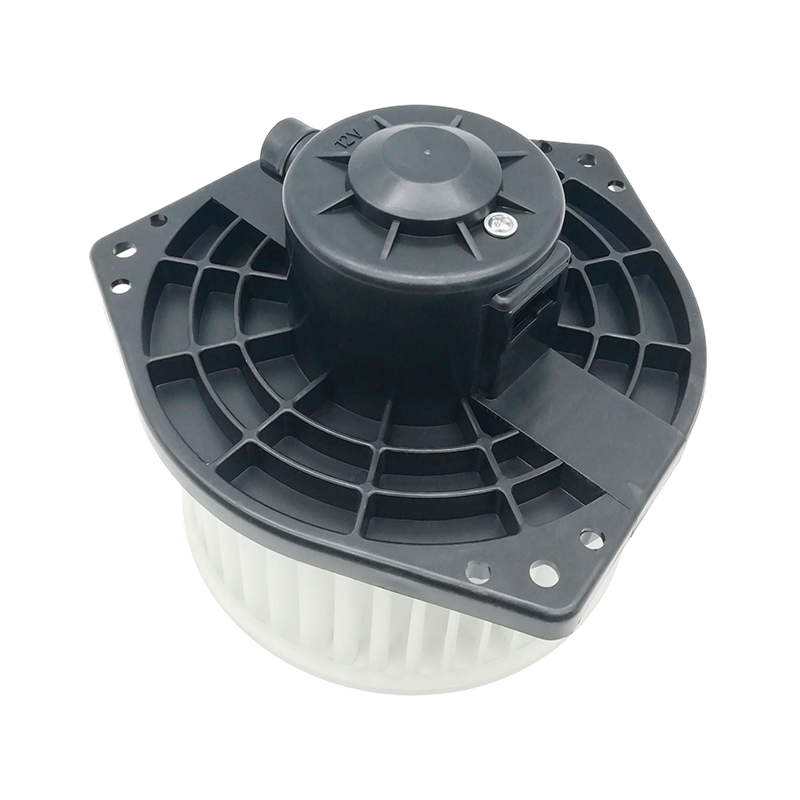
The JK-66606F is a blower with broad cross-model compatibility, perfectly suited for models such as the Isuzu D-MAX, Nissan Maxima, Sentra A33, and Infiniti I30/I35. It integrates multiple core OEM No...
See Details -
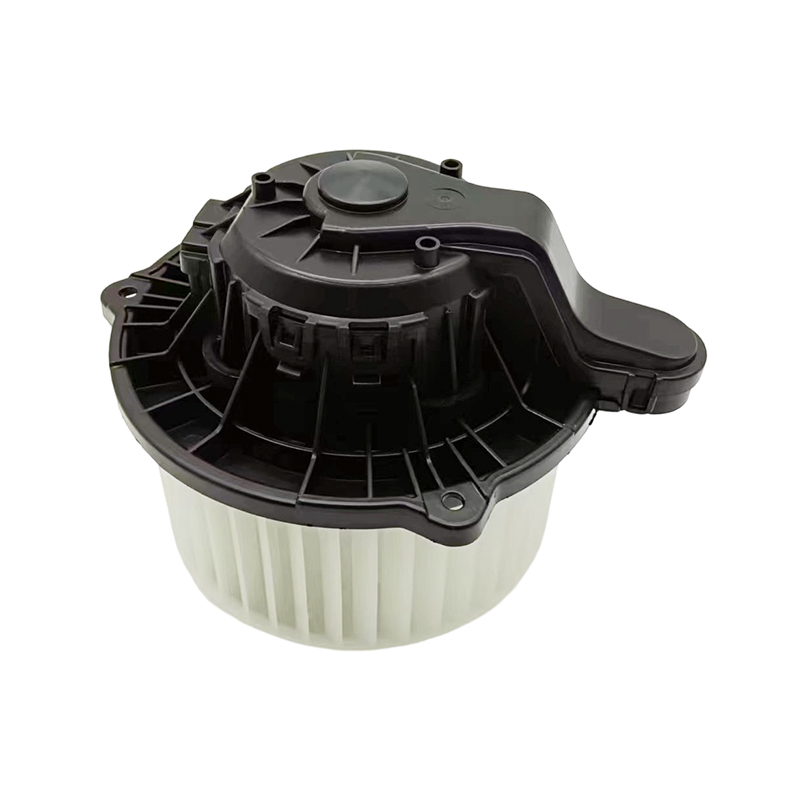
A modern air conditioning blower motor for the 2013 and later generation Ford Ranger. Built to exacting original equipment specifications (OEM No. No. 264457, RC.530.136), this motor is designed to me...
See Details -
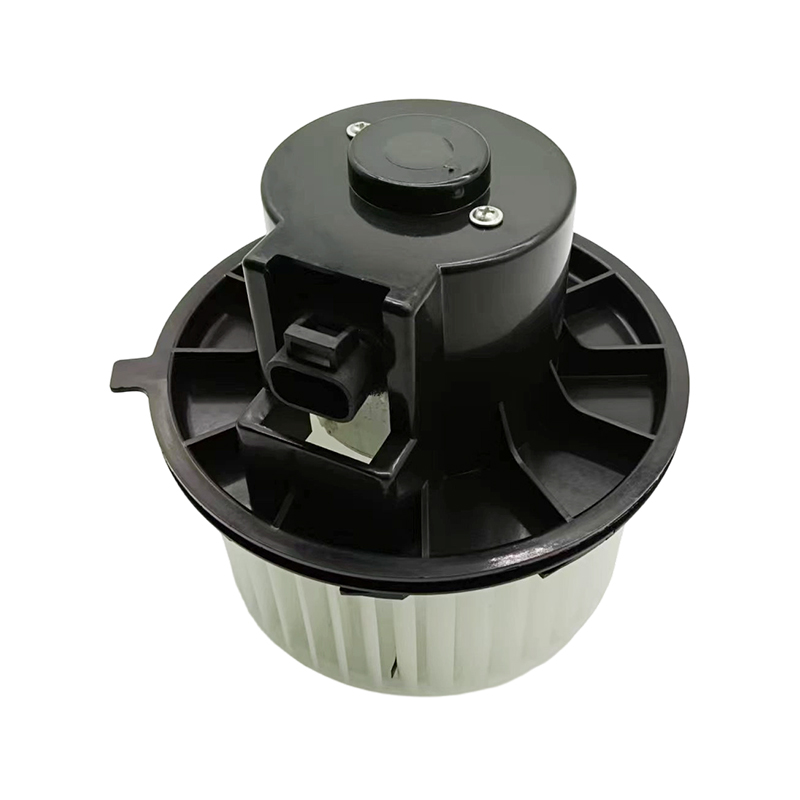
To meet the challenging cooling challenges of full-size SUVs and pickup trucks, the JK-66221 features a large 153 x 77 mm design and clockwise rotation. It's ideal for the 2002-2006 Chevrolet Suburban...
See Details -
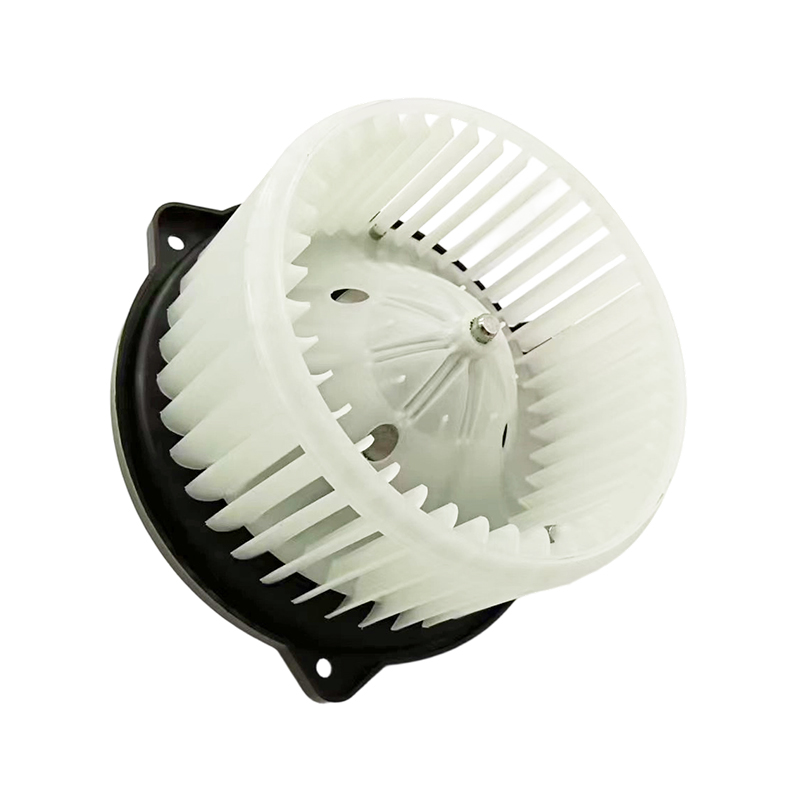
This blower, model JK-66423A, is specifically designed for right-hand drive (RHD) vehicles. It's primarily designed for right-hand drive Toyota Corolla models from 2001-2007 and Avensis models from 20...
See Details -
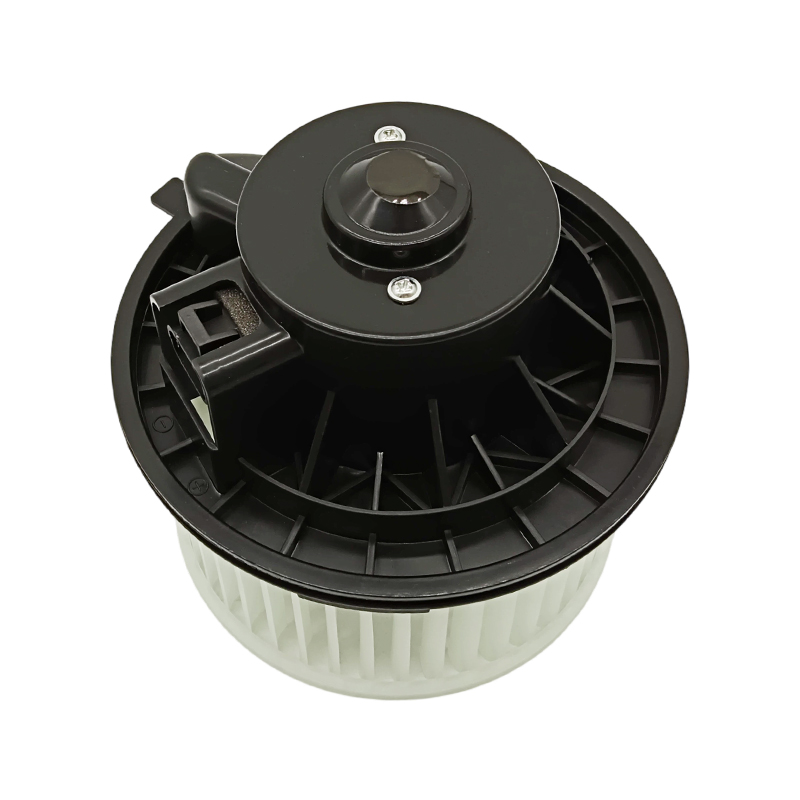
If you own a wide range of GM full-size SUVs and pickup trucks from 2003 to 2013 (such as the Escalade, Suburban, Chevrolet Silverado, and GMC Sierra), the JK-66222 is an ideal replacement. Integratin...
See Details
© 2026 Zhejiang Shuolang Motor Parts Co., Ltd. All Rights Reserved. Custom Automotive Air Conditioning Parts Manufacturer
