


 русский
 Español
 عربى
عربى Türk
Türk
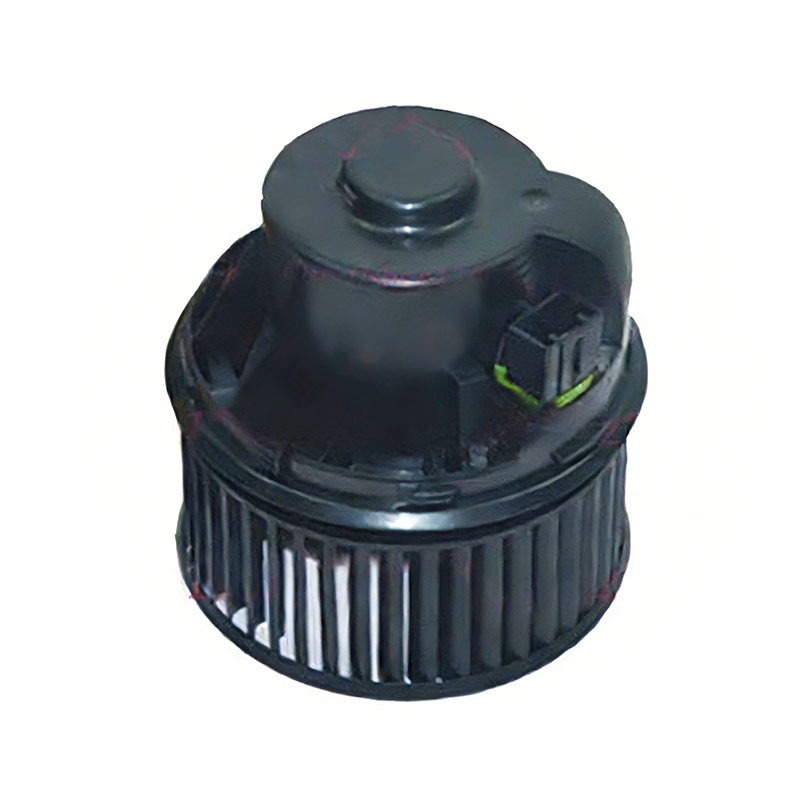
Ford Focus owners, take note! The JK-66651 heater blower is the perfect replacement for your vehicle's outdated unit. Compatible with original factory part numbers 1696010 and 1362640, it ensures a ha...
See DetailsHeater Blower Motor Not Working? 5 Common Signs & Easy Fixes
Published on 05 15, 2026
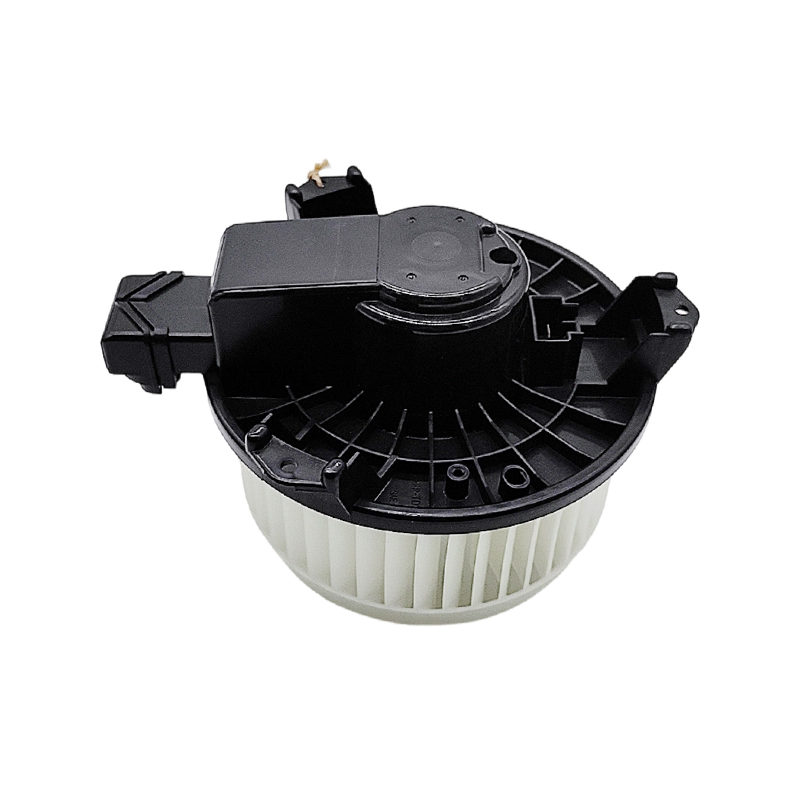
Content
- 1 What Does the Heater Blower Motor Do?
- 2 5 Common Signs Your Heater Blower Motor Is Failing
- 3 Quick Diagnostic Reference Table
- 4 Step-by-Step: Replacing a Heater Blower Motor
- 5 FAQ: Heater Blower Motor Problems
- 5.1 Q1: Can I drive with a broken heater blower motor?
- 5.2 Q2: How long does a heater blower motor last?
- 5.3 Q3: Is it the blower motor or the resistor?
- 5.4 Q4: How much does it cost to replace a heater blower motor professionally?
- 5.5 Q5: Can a bad blower motor drain my car battery?
- 5.6 Q6: Why does my blower motor work sometimes and not others?
- 6 Prevention Tips
- 7 When to Call a Professional
- 8 Final Thoughts
When cold weather sets in, a functioning cabin heating system is not a luxury—it is a necessity. At the heart of your vehicle’s heating and defrosting capability lies the heater blower motor. This component pushes air across the heater core and into the cabin through the vents. If it begins to fail, you will notice reduced comfort, foggy windows, and potential safety hazards. Understanding the early symptoms of a failing heater blower motor can save you from expensive repairs and uncomfortable drives.
What Does the Heater Blower Motor Do?
Before diving into the signs, it helps to understand the role of this component. The heater blower motor is an electric motor that spins a fan (or squirrel cage) to force air through the HVAC (heating, ventilation, and air conditioning) system. When you adjust the fan speed dial, you are controlling how fast this motor runs. It does not generate heat—it only moves air that has been warmed by the engine coolant passing through the heater core.
5 Common Signs Your Heater Blower Motor Is Failing
1. No Air Coming from Vents at Any Speed
The most obvious sign: you turn on the heating system, select a fan speed (low, medium, or high), and nothing happens. No air flows from the dashboard vents, floor vents, or defroster. The system seems dead.
Possible causes:
- Burnt-out heater blower motor
- Blown fuse or relay
- Broken wiring or poor ground connection
- Failed blower motor resistor (though this usually affects some speeds, not all)
Easy fix:
Start with the simplest check—the fuse. Locate your vehicle’s fuse box (usually under the dashboard or hood). Find the fuse labeled for the blower motor or HVAC system. If the metal strip inside is broken, replace it with a fuse of the same amperage. If the new fuse blows immediately, you likely have a short in the motor or wiring. Next, test the relay by swapping it with an identical relay from another non-critical system (e.g., horn). If the blower starts working, replace the relay. If neither solves the issue, the motor itself is likely dead and requires replacement.
2. Air Only Works on the Highest Speed Setting
This is a classic symptom. You can turn the fan knob to settings 1, 2, or 3, and nothing happens. But when you click it to the maximum setting (usually 4 or 5), air blasts out forcefully.
Why this happens:
Most vehicles use a blower motor resistor to reduce voltage for lower fan speeds. On the highest setting, the resistor is bypassed, and the motor receives full battery power. When the resistor fails, lower speeds stop working, but high speed remains functional.
Easy fix:
Replace the blower motor resistor. It is typically located near the blower motor itself, often accessible from the passenger footwell or under the dashboard after removing a trim panel. The part is inexpensive, and replacement takes about 20–30 minutes. Always disconnect the battery before unplugging electrical components.
3. Weak or Reduced Airflow
You hear the fan running, and air does come out of the vents, but the flow is noticeably weaker than before. Even on the highest setting, you barely feel a breeze. This differs from a complete failure but is equally frustrating.
Possible causes:
- Clogged cabin air filter
- Debris (leaves, rodent nests) inside the blower motor housing
- Slow or failing heater blower motor (worn bearings or weak windings)
Easy fix:
First, check and replace the cabin air filter. This filter is often behind the glove box or under the windshield cowl. A clogged filter is the number one cause of reduced airflow. If the filter is clean, inspect the blower motor housing. Remove the motor (usually 3–4 screws) and clear out any debris. If the motor spins slowly even when clean and powered directly, it may be wearing out and needs replacement.
4. Unusual Noises When the Heater Is On
Strange sounds coming from the dashboard or under the glove box indicate a mechanical issue. Listen for:
- Squealing or screeching: Worn motor bearings or a dry shaft.
- Rattling or clicking: Loose debris (leaves, twigs) hitting the fan blades.
- Grinding: The fan cage may be rubbing against the housing, or bearings are failing.
Easy fix:
For debris noises, remove the blower motor and clean the fan cage thoroughly. For squealing, sometimes a drop of electric-motor-safe oil on the rear bushing provides temporary relief, but replacement is the permanent solution. Grinding almost always means the motor’s bearings have failed—replace the entire heater blower motor.
5. Intermittent Operation
The blower works fine for a while, then suddenly stops. Later, it starts again on its own. This on-again, off-again behavior can be maddening, especially during a long winter drive.
Common causes:
- Loose or corroded electrical connector at the motor
- Failing blower motor resistor (thermal fuse inside is overheating and resetting)
- Worn motor brushes (if the motor has them) causing intermittent contact
- Bad ground connection
Easy fix:
Start by unplugging and re-plugging the electrical connector to the blower motor several times to clean the contacts. Apply dielectric grease to prevent future corrosion. Check the ground wire (usually a black wire attached to the car body near the motor) – clean the connection point with sandpaper. If the problem persists, replace the blower motor resistor first (cheaper and easier). If that does not solve it, the motor itself has internal wear and needs replacement.
Quick Diagnostic Reference Table
| Symptom | Most Likely Culprit | Easy Fix Difficulty |
|---|---|---|
| No air at any speed | Blown fuse, bad relay, or dead motor | Easy (fuse/relay) to Moderate (motor) |
| Air only on highest speed | Blower motor resistor | Easy |
| Weak airflow even on high | Clogged cabin filter or debris | Very Easy |
| Squealing/rattling noises | Debris or worn bearings | Easy (clean) to Moderate (replace) |
| Intermittent operation | Loose connector or failing resistor | Easy |
Step-by-Step: Replacing a Heater Blower Motor
If you have diagnosed that your heater blower motor is indeed dead, replacement is straightforward. Here is a general guide (always consult your vehicle’s service manual for specific steps):
Tools needed:
- Screwdrivers (Phillips and flathead)
- Socket set (usually 8mm, 10mm)
- Trim removal tool (optional but helpful)
- New heater blower motor (ensure correct fitment)
Steps:
- Disconnect the negative battery cable.
- Locate the blower motor – typically under the passenger side dashboard, behind the glove box, or under the hood near the firewall.
- Remove any trim panels or the glove box for access.
- Unplug the electrical connector.
- Remove the mounting screws (usually 3 or 4) holding the motor in place.
- Lower the motor and fan assembly. Note the orientation.
- Transfer any rubber gasket or mounting ring to the new motor.
- Install the new motor in reverse order.
- Reconnect the battery and test all fan speeds.
Time estimate: 30–90 minutes depending on vehicle design.
FAQ: Heater Blower Motor Problems
Q1: Can I drive with a broken heater blower motor?
Yes, but it is not recommended in cold or humid conditions. Without airflow, you cannot defog the windshield, creating a serious safety hazard. In freezing weather, lack of cabin heat can also be uncomfortable and medically risky for vulnerable passengers.
Q2: How long does a heater blower motor last?
Typically 10–15 years or 100,000–150,000 miles. However, debris, moisture, and electrical issues can shorten its life. Regular cabin air filter changes (every 12,000–15,000 miles) help extend motor life by keeping dust out of the bearings.
Q3: Is it the blower motor or the resistor?
Use this rule:
- If all speeds are dead → check fuse, relay, then motor.
- If only high speed works → resistor.
- If some speeds work but not others → resistor.
- If motor runs but air is weak → filter or debris.
- If motor makes noise but runs → debris or bearings.
Q4: How much does it cost to replace a heater blower motor professionally?
While we avoid brand-specific pricing, a general range is $150–$300 for the part and $100–$200 for labor, totaling $250–$500. Doing it yourself costs only the part (typically $40–$120 for aftermarket units).
Q5: Can a bad blower motor drain my car battery?
Not directly. However, if the motor’s internal short causes a relay to stay energized when the ignition is off, it could create a parasitic drain. More commonly, a seized motor will blow the fuse and stop drawing power entirely.
Q6: Why does my blower motor work sometimes and not others?
This intermittent behavior usually points to a loose electrical connection, failing resistor (thermal fuse inside resets after cooling), or worn motor brushes. Start by cleaning the motor’s power connector. If the problem remains, replace the resistor before the motor.
Prevention Tips
A little maintenance goes a long way. To avoid unexpected heater blower motor failure:
- Replace the cabin air filter every 12,000–15,000 miles or once a year.
- Run the HVAC fan for a few minutes with the A/C on (even in winter) to dry out moisture inside the housing.
- If you park under trees, occasionally check the cowl intake for leaves.
- When you notice the first sign of reduced airflow or unusual noise, diagnose immediately rather than waiting for complete failure.
When to Call a Professional
The fixes above are designed for DIY enthusiasts with basic tools. However, seek professional help if:
- You replace the fuse and it keeps blowing (indicates a short circuit).
- You cannot locate the blower motor resistor or motor due to tight engine bay layout.
- The replacement requires dashboard removal (some vehicles bury the HVAC unit).
- You are uncomfortable working with automotive electrical systems.
A qualified technician can perform a voltage drop test, current draw test, and full system diagnosis in under an hour.
Final Thoughts
A non-working heater blower motor is more than an inconvenience—it affects safety through poor defrosting and driver comfort. Fortunately, most symptoms point to simple, low-cost fixes like a fuse, resistor, or cabin filter. By recognizing the five common signs—no airflow, high-speed only, weak airflow, unusual noises, and intermittent operation—you can pinpoint the issue quickly.
Keep this guide handy when winter arrives. A few minutes of troubleshooting can save you from freezing commutes and expensive repair bills. And remember: when in doubt, start with the easiest fix first. Check that fuse. Replace that cabin air filter. Nine times out of ten, the solution is simpler than you think.
Related products
-
-
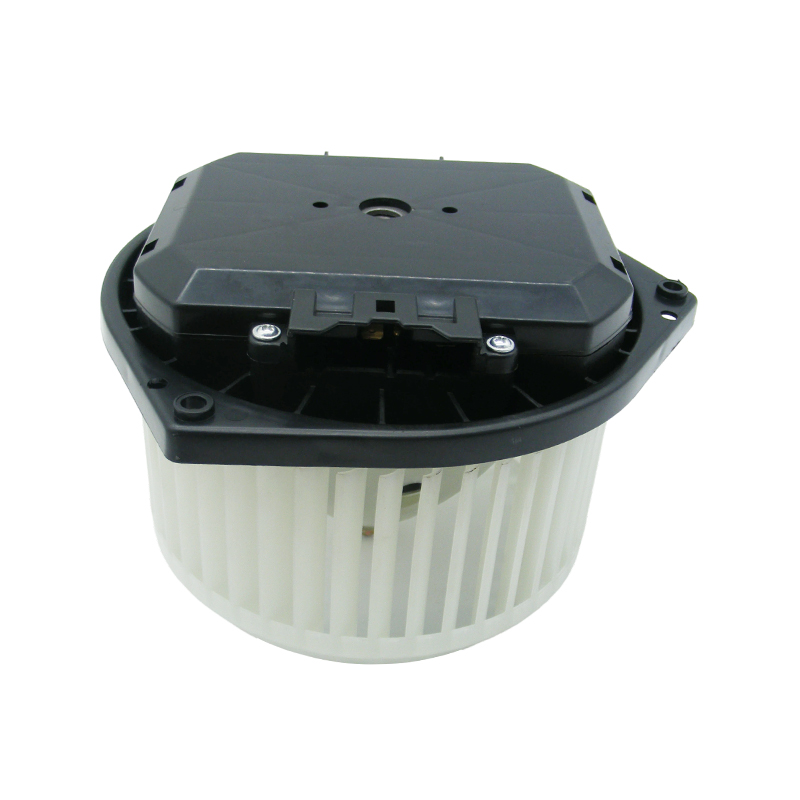
To meet the luxury brand's demand for higher levels of quietness and performance, the JK-66901F blower motor is specifically designed for the Infiniti EX35 and Q50 models. It adheres strictly to origi...
See Details -
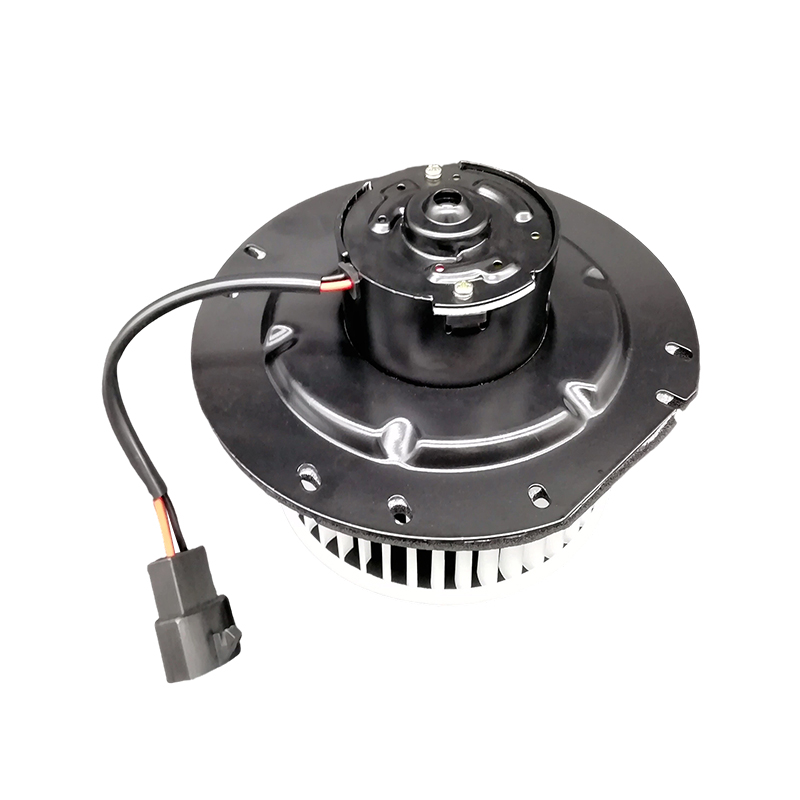
This custom blower motor is specifically designed for the 1998-2011 Ford Ranger pickup truck. Its core dimensions are 157x75 mm, and it features a clockwise (CW) rotation design, delivering performanc...
See Details -
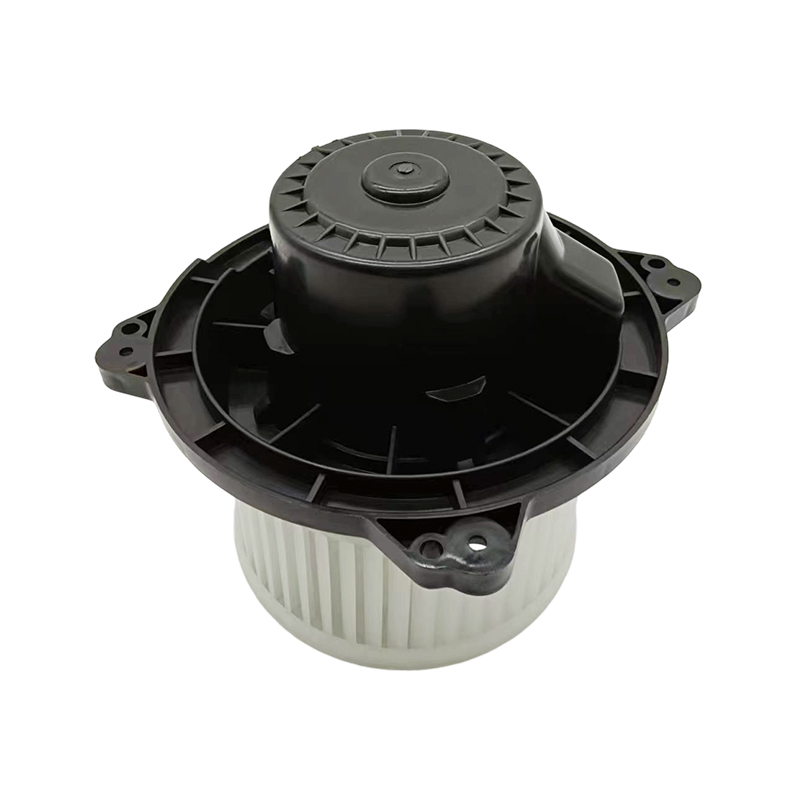
This is a clockwise (CW) blower assembly designed for various Ford models. Designed to adhere strictly to Ford factory standards, it ensures precise installation and compatible electrical connections....
See Details -
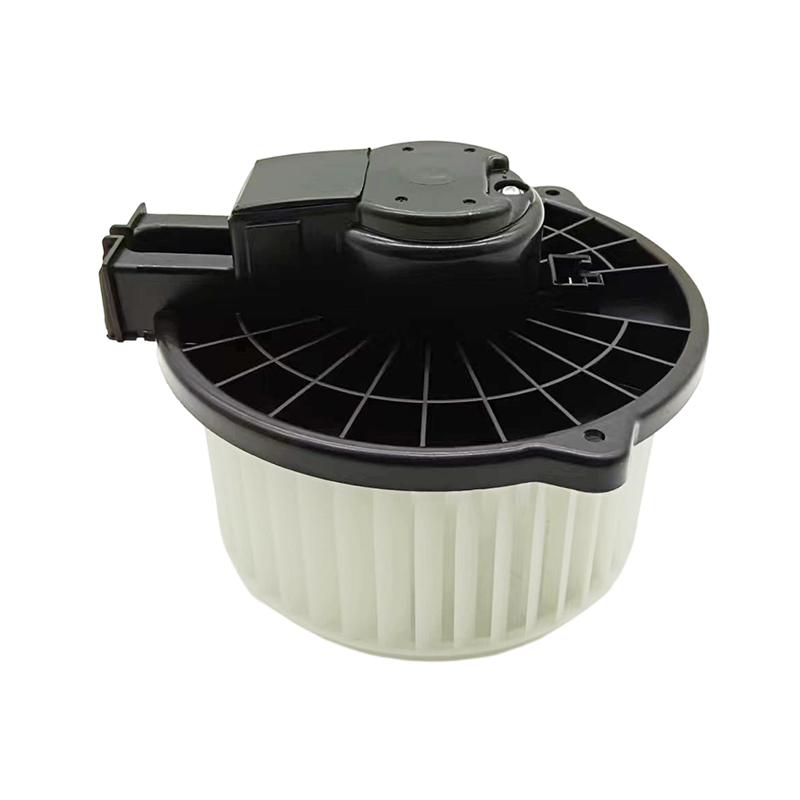
The JK-66514 is a blower assembly designed for mid-to-large MPVs. Its 148 x 75 mm dimensions and clockwise rotation make it ideal for the 2005-2010 Toyota Sienna and 2011-2017 Honda Odyssey. This comp...
See Details -
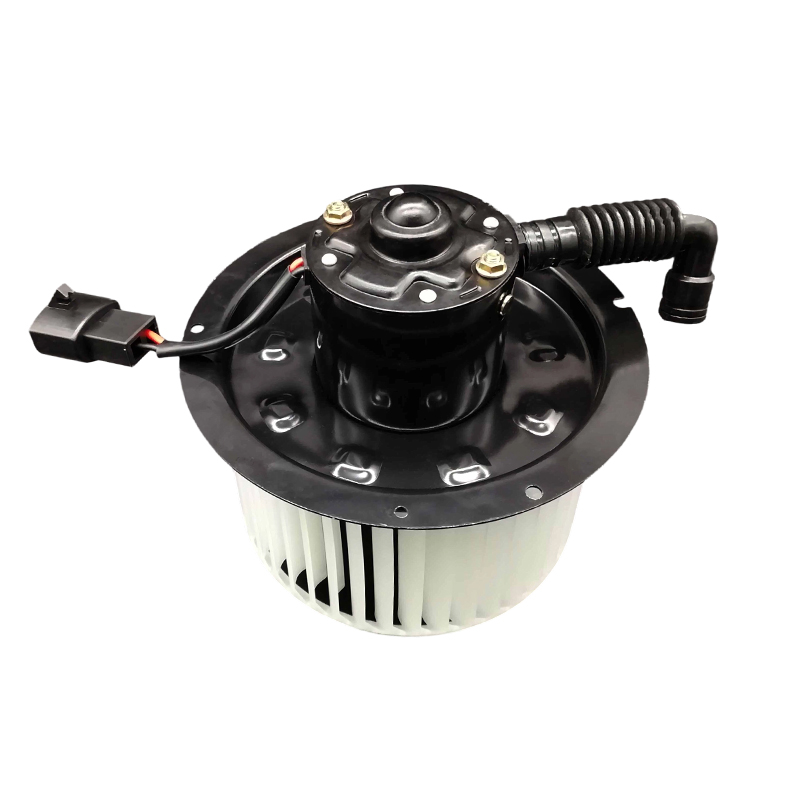
This high-performance blower is designed specifically for model year 1999-2007 Ford F-Series heavy-duty pickup trucks (including the F-250, F-350, F-450, and F-550). It perfectly replaces original fac...
See Details
© 2026 Zhejiang Shuolang Motor Parts Co., Ltd. All Rights Reserved. Custom Automotive Air Conditioning Parts Manufacturer
