


 русский
 Español
 عربى
عربى Türk
Türk
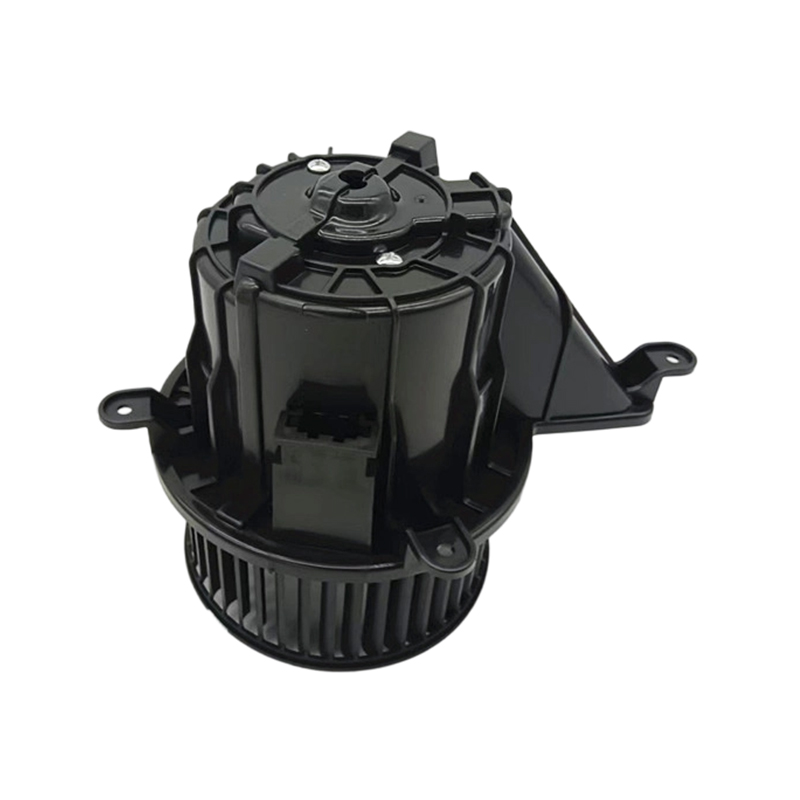
The JK-66606F is a blower with broad cross-model compatibility, perfectly suited for models such as the Isuzu D-MAX, Nissan Maxima, Sentra A33, and Infiniti I30/I35. It integrates multiple core OEM No...
See DetailsWhy Is My Car Blower Fan Motor Not Working Properly?
Published on 06 12, 2026
Content
- 1 Direct Answer: Why Is a Car Blower Fan Motor Not Working Properly?
- 2 Common Symptoms of a Faulty Car Blower Fan Motor
- 3 What Causes a Car Blower Fan Motor to Fail?
- 4 How Does a Faulty Blower Motor Affect Vehicle Comfort?
- 5 Simple Inspection Steps for Diagnosing Blower Motor Problems
- 6 Troubleshooting Process Flow
- 7 How to Extend the Service Life of a Car Blower Fan Motor
- 8 When Should a Car Blower Fan Motor Be Replaced?
- 9 FAQ
Direct Answer: Why Is a Car Blower Fan Motor Not Working Properly?
A car blower fan motor may stop working properly because of electrical faults, worn internal components, a failed resistor, damaged wiring, clogged cabin filters, or excessive debris inside the HVAC system.
When the blower motor develops problems, airflow from the vents may become weak, intermittent, noisy, or disappear completely. In many cases, the issue is not the motor itself but related components that affect its operation.
Identifying the symptoms early can help prevent complete airflow loss and maintain comfortable cabin temperatures during both heating and cooling operation.
Common Symptoms of a Faulty Car Blower Fan Motor
The blower fan motor is responsible for pushing air through the ventilation system. When problems occur, several warning signs may appear.
| Symptom | Possible Cause |
| No airflow from vents | Motor failure, fuse issue, wiring fault |
| Weak airflow | Dirty cabin filter or worn motor |
| Only one fan speed works | Blower resistor malfunction |
| Intermittent operation | Loose connections or aging components |
| Squealing or grinding noise | Worn bearings or debris inside the fan |
| Burning smell | Overheating motor or damaged wiring |
If unusual noises or burning odors appear, inspection should be performed promptly to avoid additional electrical damage.
What Causes a Car Blower Fan Motor to Fail?
Normal Wear and Tear
The blower motor operates whenever heating or air conditioning is used. Over time, brushes, bearings, and internal windings naturally wear out, reducing efficiency and reliability.
Blower Motor Resistor Problems
The resistor controls fan speed. When it fails, one or more speed settings may stop functioning. In some cases, the fan only works at maximum speed.
Electrical Connection Issues
Corroded terminals, loose connectors, and damaged wires can interrupt power supply to the motor and cause inconsistent operation.
Blocked Airflow
A dirty cabin air filter restricts airflow and forces the blower motor to work harder. This increased load can accelerate component wear.
Foreign Objects Inside the Fan Housing
Leaves, dust, and small debris may enter the ventilation system. These contaminants can create vibration, noise, and excessive stress on the motor.
How Does a Faulty Blower Motor Affect Vehicle Comfort?
A malfunctioning blower motor impacts more than cabin comfort.
- Reduced heating performance during cold weather.
- Limited cooling efficiency during summer.
- Poor windshield defogging capability.
- Uneven airflow throughout the cabin.
- Increased strain on the HVAC system.
Without sufficient airflow, even a properly functioning air conditioning system cannot effectively distribute conditioned air.
Simple Inspection Steps for Diagnosing Blower Motor Problems
Several basic checks can help narrow down the source of the problem.
| Inspection Item | Purpose |
| Fuse condition | Verify electrical protection |
| Fan speed settings | Check resistor operation |
| Cabin air filter | Determine airflow restrictions |
| Electrical connectors | Inspect for corrosion or looseness |
| Noise during operation | Detect bearing or debris issues |
| Airflow strength | Evaluate overall system performance |
These inspections can help determine whether the issue originates from the blower motor itself or another HVAC component.
Troubleshooting Process Flow
Start
   ↓
Check Airflow
   ↓
No Airflow?
   │
 ┌─Yes─────────────┐
 │                 ↓
 │           Inspect Fuse
 │                 ↓
 │          Check Wiring
 │                 ↓
 │         Test Blower Motor
 │
 └─No──────────────┐
                   ↓
          Weak or Uneven Airflow?
                   ↓
          Inspect Cabin Filter
                   ↓
            Check Resistor
                   ↓
          Examine Fan Housing
                   ↓
               Solution
How to Extend the Service Life of a Car Blower Fan Motor
Regular maintenance can significantly improve blower motor durability.
- Replace the cabin air filter periodically.
- Remove leaves and debris from air intake areas.
- Avoid operating the HVAC system with blocked vents.
- Inspect wiring connections during routine maintenance.
- Address unusual noises before they become severe.
- Maintain proper cleanliness inside the ventilation system.
Preventive maintenance often reduces stress on the blower motor and helps maintain stable airflow performance.
When Should a Car Blower Fan Motor Be Replaced?
Replacement may become necessary when:
- The motor no longer operates after electrical checks.
- Grinding or squealing noises become persistent.
- Airflow remains weak despite filter replacement.
- The motor overheats or emits unusual odors.
- Intermittent operation becomes increasingly frequent.
A severely worn blower fan motor cannot provide stable airflow and may eventually stop working entirely.
FAQ
Can a dirty cabin air filter cause blower motor problems?
Yes. Restricted airflow forces the blower motor to work harder, which can accelerate wear and reduce performance.
Why does the blower fan work only at one speed?
This usually indicates a problem with the blower motor resistor or its electrical connections.
What causes unusual noises from the blower fan motor?
Common causes include worn bearings, loose components, or debris trapped inside the fan housing.
Can a faulty blower motor affect air conditioning performance?
Yes. Even if the cooling system is functioning properly, inadequate airflow prevents efficient distribution of cold air.
Is intermittent blower operation a sign of motor failure?
Intermittent performance may indicate motor wear, loose wiring, corroded connectors, or a failing resistor.
Related products
-
-
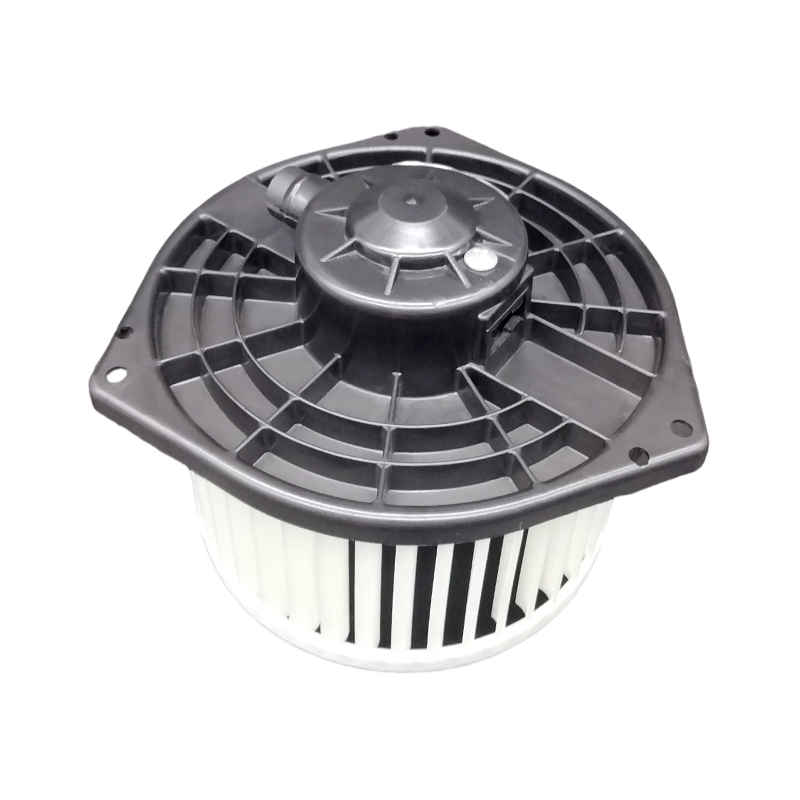
The JK-66604F blower motor is a precision replacement for Nissan S10 pickup trucks (2012 and later), Hanau, and Isuzu D-MAX/MUX (2014-2017). Its core advantage is its excellent compatibility, perfectl...
See Details -
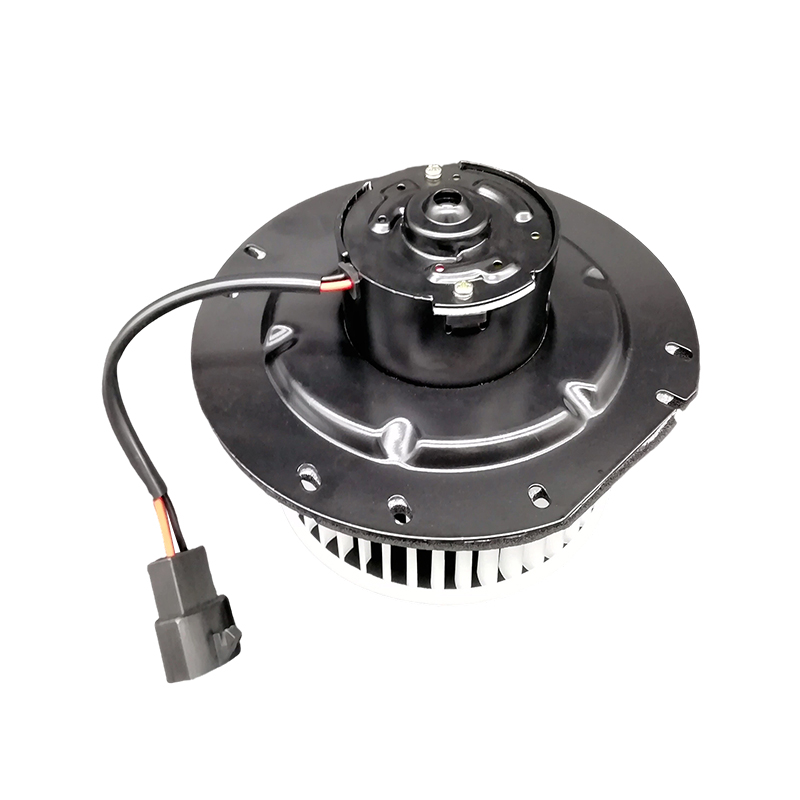
This custom blower motor is specifically designed for the 1998-2011 Ford Ranger pickup truck. Its core dimensions are 157x75 mm, and it features a clockwise (CW) rotation design, delivering performanc...
See Details -
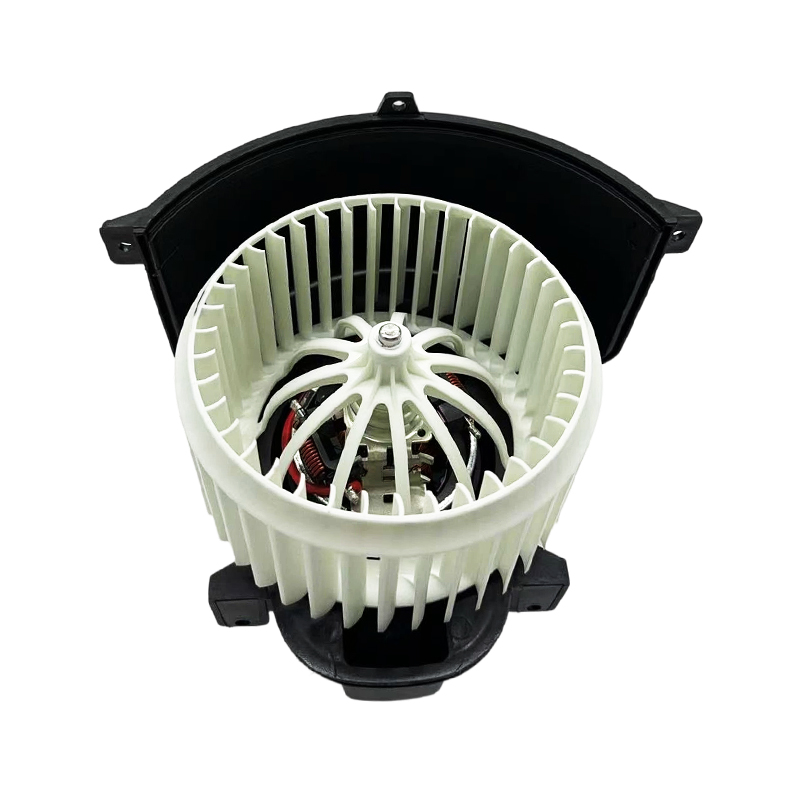
Designed specifically for high-end luxury SUVs, the JK-66139 is a universal blower assembly suitable for multiple brands. Its good compatibility seamlessly adapts to popular models such as the Audi Q7...
See Details -
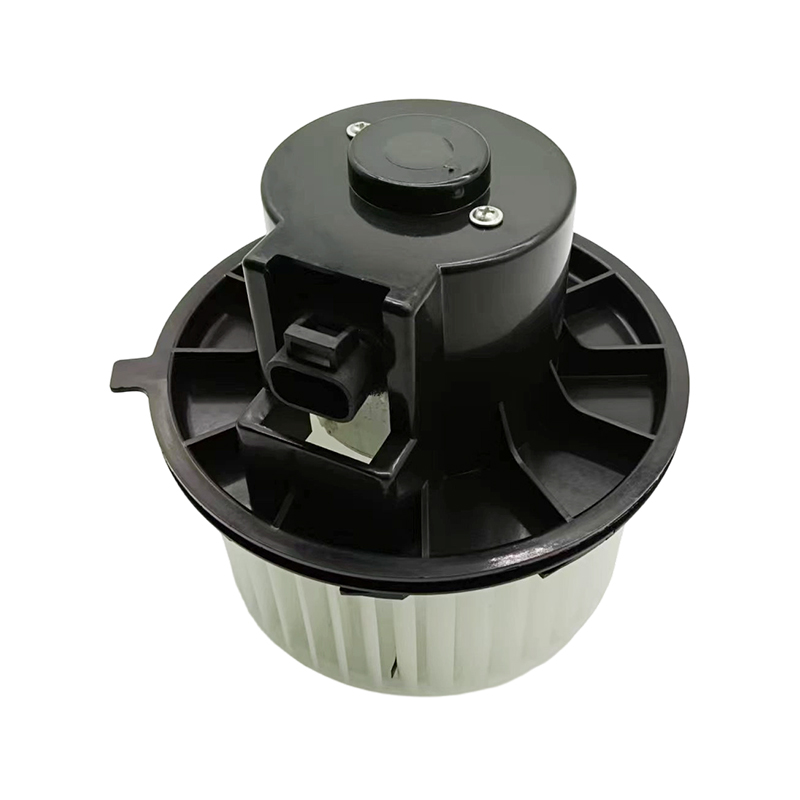
To meet the challenging cooling challenges of full-size SUVs and pickup trucks, the JK-66221 features a large 153 x 77 mm design and clockwise rotation. It's ideal for the 2002-2006 Chevrolet Suburban...
See Details -
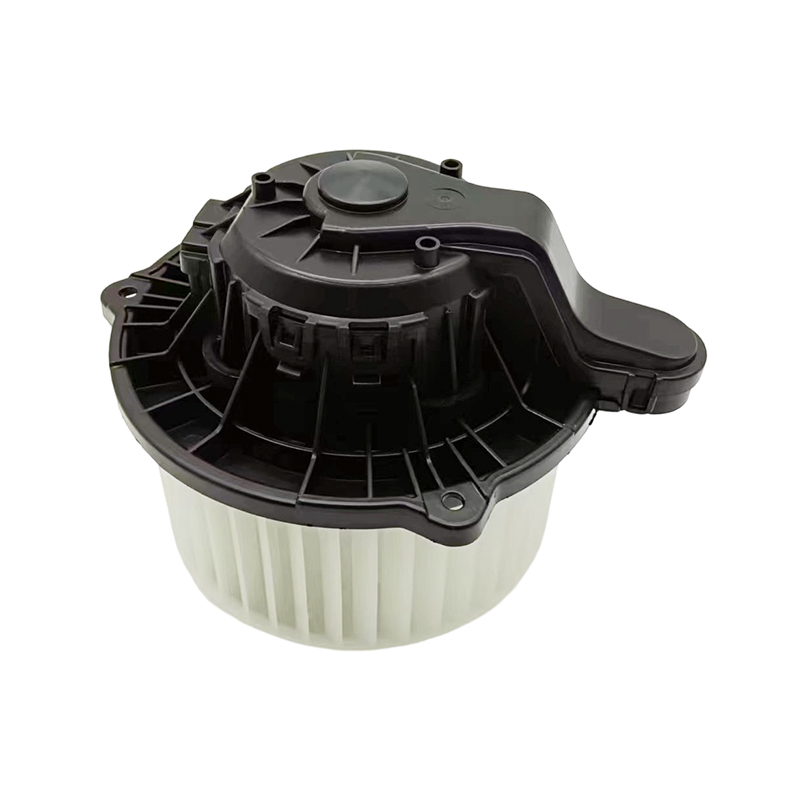
A modern air conditioning blower motor for the 2013 and later generation Ford Ranger. Built to exacting original equipment specifications (OEM No. No. 264457, RC.530.136), this motor is designed to me...
See Details
© 2026 Zhejiang Shuolang Motor Parts Co., Ltd. All Rights Reserved. Custom Automotive Air Conditioning Parts Manufacturer
