How to Replace the HVAC Blower Motor Assembly on a Mitsubishi Lancer?
Replacing the HVAC blower motor assembly in your Mitsubishi Lancer is an essential task for ensuring your vehicle’s air conditioning and ventilation system works optimally. The blower motor plays a critical role in circulating air within the cabin, and a malfunctioning motor can significantly affect your driving comfort.
Understanding the Role of the AC Blower Motor for Mitsubishi
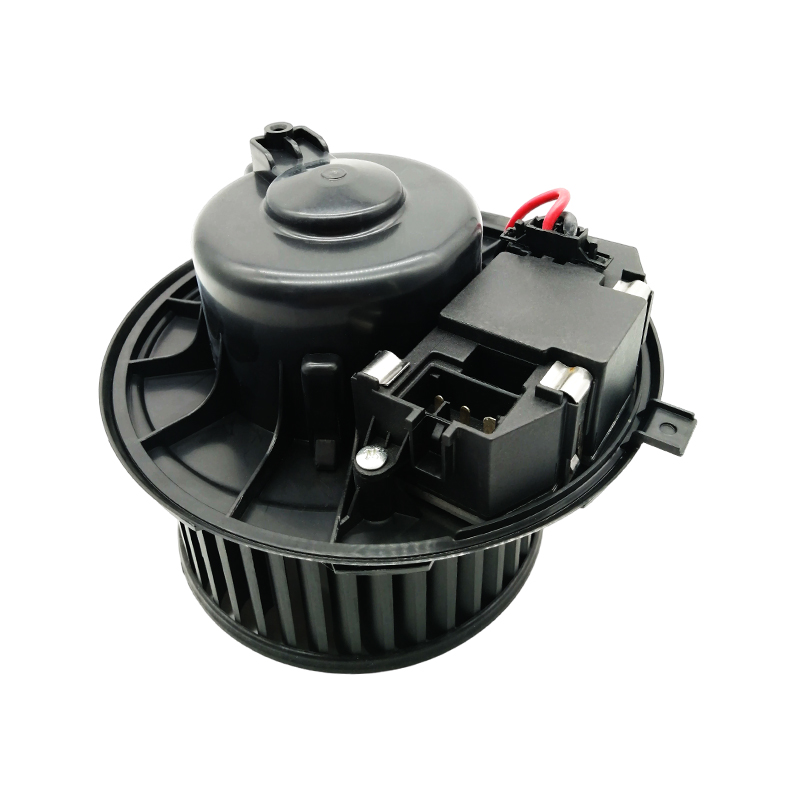
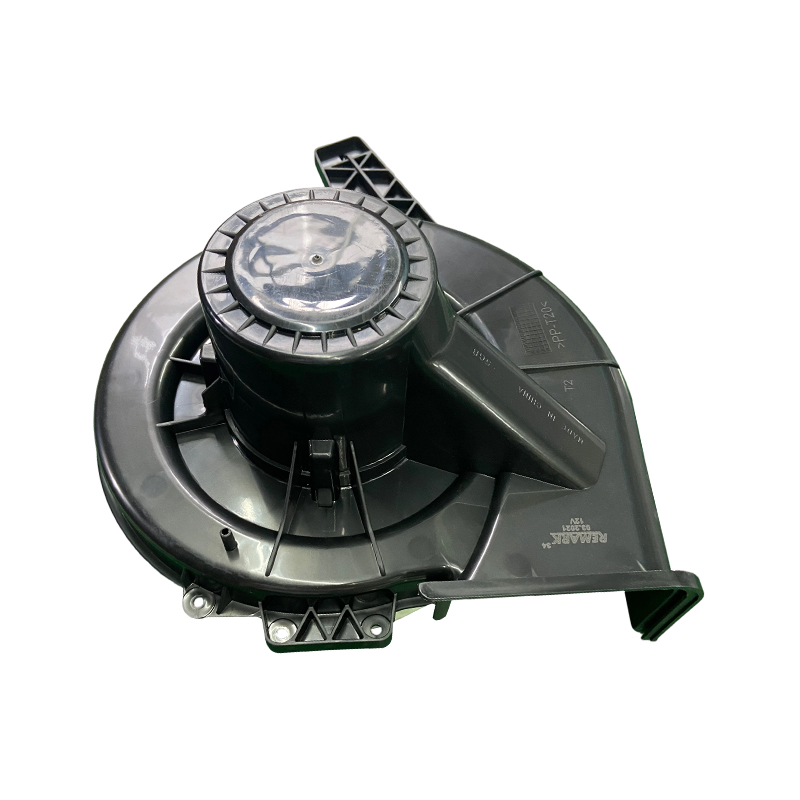
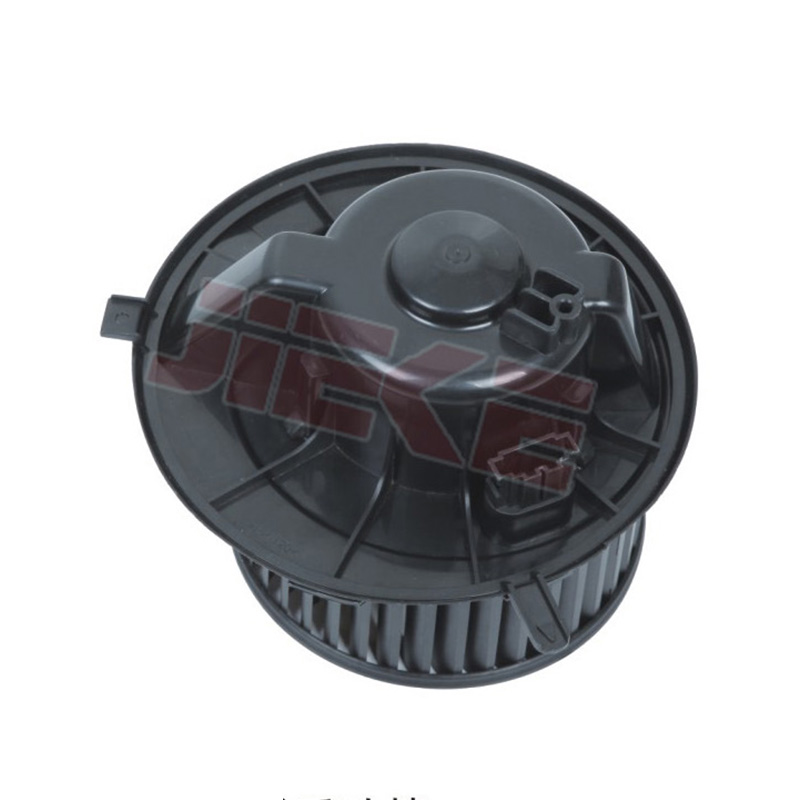
The AC blower motor for Mitsubishi is an integral part of the vehicle’s HVAC (Heating, Ventilation, and Air Conditioning) system. This motor controls the airflow inside the cabin by pushing air through the system, ensuring that the interior of your car remains comfortable regardless of the external weather conditions.
When the blower motor fails, you may notice symptoms such as:
- Weak or no airflow from the vents.
- Unusual noises when the fan is running.
- A burning smell emanating from the vents.
These issues can lead to discomfort while driving, and in severe cases, complete system failure. In such situations, replacing the blower motor is necessary.
Tools Required for Replacing the AC Blower Motor for Mitsubishi
Before starting the replacement process, ensure you have the necessary tools:
- Socket set with extension.
- Screwdrivers (flathead and Phillips).
- Torque wrench.
- Ratchet wrench.
- Replacement AC blower motor for Mitsubishi (specific to Mitsubishi Lancer).
- Work gloves and safety glasses.
Step-by-Step Guide to Replacing the Blower Motor
1. Preparing the Vehicle
Before working on your vehicle, ensure that it is parked on a flat surface. Turn off the engine and disconnect the vehicle’s negative battery terminal to prevent electrical shocks. This step is critical as you’ll be working near the electrical components.
2. Locate the Blower Motor
In most Mitsubishi Lancer models, the AC blower motor for Mitsubishi is located behind the glove compartment or under the dashboard on the passenger side. It is important to remove any obstructions that may be in the way, such as the glove box or panels.
Tip: If you’re unsure about the location, consult the vehicle’s owner manual for detailed instructions.
3. Remove the Old Blower Motor
Once you’ve accessed the blower motor, disconnect the electrical connector attached to it. Carefully unscrew the mounting screws that hold the motor in place. These screws may vary in size, so be sure to keep track of them.
Once the screws are removed, gently pull the blower motor out of its housing. Be cautious not to damage any surrounding components or wiring.
4. Install the New Blower Motor
Now that the old motor is removed, take your new AC blower motor for Mitsubishi and carefully position it in the housing. Align it with the mounting holes and secure it with the screws.
Reattach the electrical connector to the motor. Ensure the connector is snug and secure to avoid any electrical issues.
5. Test the New Blower Motor
After the motor is installed, reconnect the negative terminal of the battery and test the system by turning on the vehicle. Set the HVAC system to different speeds to ensure the new motor is functioning correctly.
If everything is working as expected, you’re done with the installation. If there are any issues, recheck the connections and ensure the motor is properly secured.
Key Features of the AC Blower Motor for Mitsubishi
When selecting a replacement AC blower motor for Mitsubishi, there are several important features to consider:
- OEM Quality: Always choose an Original Equipment Manufacturer (OEM) part to ensure compatibility and durability. OEM parts are designed to fit your vehicle’s specifications.
- Compatibility: Ensure the replacement motor is specifically designed for Mitsubishi models, such as the Mitsubishi Lancer, for a seamless installation.
- Efficiency: A high-quality motor will provide better airflow, ensuring the air conditioning system works effectively even in extreme temperatures.
- Durability: Opt for a blower motor that is built to last, reducing the need for frequent replacements.
At Zhejiang Shuolang Motor Parts Co., Ltd., we specialize in producing high-quality AC blower motors for Mitsubishi, among other automotive air conditioning components. Our products, such as the AC blower motor for Mitsubishi, are designed with precision and reliability, ensuring your vehicle’s HVAC system operates smoothly and efficiently.
Benefits of Replacing Your AC Blower Motor for Mitsubishi
Replacing a malfunctioning AC blower motor for Mitsubishi brings several benefits:
- Improved Comfort: A new blower motor ensures that the air conditioning system performs as expected, maintaining a comfortable temperature inside the cabin.
- Energy Efficiency: A properly functioning blower motor reduces the load on the HVAC system, promoting better fuel efficiency.
- Enhanced Air Quality: A new motor ensures the air is circulated properly, improving overall air quality in the cabin.
- Prevents Further Damage: Ignoring a faulty blower motor can lead to more significant issues, such as overheating or damage to the air conditioning compressor.
Troubleshooting Common Issues with the AC Blower Motor
In some cases, issues with the AC blower motor for Mitsubishi may not be due to a faulty motor but rather other system components. Here are some common problems and their solutions:
- Weak Airflow: This could be due to a clogged air filter. Replacing the cabin air filter may resolve this issue.
- No Airflow: If there is no airflow at all, it could be due to a blown fuse or a problem with the blower motor resistor.
- Unusual Noises: Grinding or squealing noises often indicate a faulty fan blade or motor bearings that need lubrication or replacement.
When to Replace Your AC Blower Motor
You should replace the AC blower motor for Mitsubishi if:
- The motor is making strange noises.
- Airflow is weak or inconsistent.
- There is no airflow at all.
- The motor is showing signs of electrical malfunction, such as sparking or burning smells.
By replacing the blower motor promptly, you prevent further damage to your HVAC system and restore the comfort and efficiency of your vehicle.
Frequently Asked Questions (FAQ)
1. How long does an AC blower motor last in a Mitsubishi Lancer?
The lifespan of an AC blower motor varies depending on usage and maintenance, but typically, it can last anywhere between 5 to 10 years. Regular maintenance can help extend its life.
2. Can I replace the AC blower motor myself?
Yes, replacing the AC blower motor can be a DIY project if you have basic mechanical skills and the right tools. However, if you’re unsure or uncomfortable with the process, it’s always best to consult a professional mechanic.
3. Why is my Mitsubishi Lancer’s AC blower motor not working?
If your AC blower motor is not working, it could be due to a blown fuse, a bad blower motor resistor, or a malfunctioning motor. Check these components before deciding to replace the motor.
4. How do I know if I need to replace the blower motor or just the resistor?
If your blower motor is only working intermittently or at one speed, the issue might be with the resistor. If there is no airflow or the motor is making unusual noises, the motor likely needs to be replaced.
5. Can I use a universal blower motor for my Mitsubishi Lancer?
It is always best to use a model-specific blower motor for your Mitsubishi Lancer to ensure proper fit and performance. Using a universal part may lead to compatibility issues or inadequate functionality.
Conclusion
Replacing the AC blower motor for Mitsubishi in your Mitsubishi Lancer is a straightforward process if you follow the proper steps and use the right tools. Ensuring that you use high-quality, OEM replacement parts will guarantee long-lasting performance and restore the comfort of your vehicle’s air conditioning system. At Zhejiang Shuolang Motor Parts Co., Ltd., we offer a range of top-quality automotive air conditioning components, including the AC blower motor for Mitsubishi, to help maintain the efficiency of your HVAC system.
By addressing blower motor issues promptly, you can avoid more severe system failures and keep your vehicle running smoothly for years to come.



 русский
 Español
 عربى
عربى Türk
Türk