


 русский
 Español
 عربى
عربى Türk
Türk
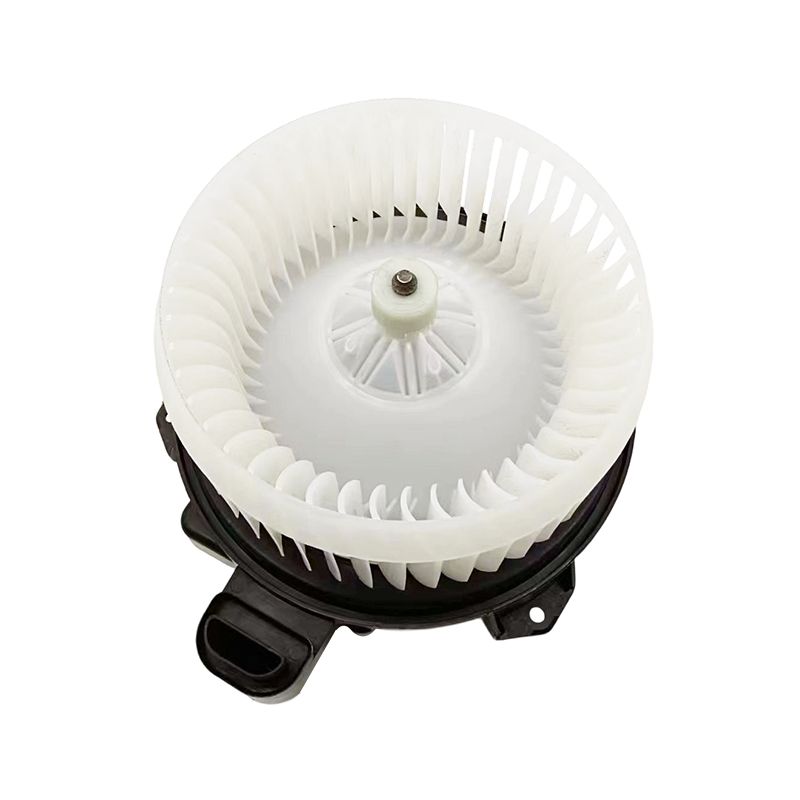
This product is a premium service part for Toyota's mid- to high-end sedans and SUVs, primarily covering the 2002 to 2011 Toyota Camry, Highlander, and Lexus ES350/ES240. As an upgrade replacement for...
See DetailsHome / News / Industry News / Blower Motor Overview: High-Pressure Airflow Solutions for Industrial Use
Blower Motor Overview: High-Pressure Airflow Solutions for Industrial Use
Published on 05 07, 2026

A blower motor is a critical component in modern industrial systems where controlled, high-pressure airflow is required. Unlike standard ventilation devices, it is engineered to generate strong directional air movement capable of overcoming resistance in ducts, confined environments, and complex airflow systems. This makes it essential in manufacturing, processing, ventilation, and material handling environments.
What Is a Blower Motor?
A blower motor is an electromechanical device designed to drive an impeller or fan wheel, producing concentrated airflow at relatively high pressure. It is commonly integrated into air handling systems where stable airflow performance is required even under load resistance.
Unlike conventional fans that primarily move air in open environments, a blower motor is optimized for:
- High static pressure performance
- Controlled directional airflow
- Stable operation in restrictive environments
- Continuous industrial-grade operation
Key Functions in Industrial Applications
In industrial environments, airflow is not just about ventilation—it directly impacts system efficiency, safety, and product quality. A blower motor plays several key roles:
- Cooling machinery and electrical systems
- Removing dust, fumes, and airborne particles
- Supporting combustion systems with controlled air supply
- Assisting pneumatic conveying of materials
- Maintaining air circulation in enclosed industrial zones
Types of Industrial Blower Motors
Different applications require different blower configurations. Below is a simplified overview:
| Type | Structure | Key Feature | Common Use |
|---|---|---|---|
| Centrifugal blower motor | Radial airflow design | High pressure output | HVAC systems, dust control |
| Axial blower motor | Linear airflow design | High volume airflow | Ventilation systems |
| Inline blower motor | Tubular configuration | Space-saving design | Ducted air systems |
| High-pressure blower motor | Reinforced impeller system | Strong resistance handling | Industrial processing lines |
Each type of industrial blower motor is selected based on airflow direction, pressure demand, and system resistance.
Working Principle
A blower motor operates by converting electrical energy into mechanical rotation. The rotor spins an impeller at high speed, drawing air into the inlet and forcing it outward through the outlet at increased pressure.
The efficiency of this process depends on:
- Motor speed and torque output
- Impeller design and material
- System resistance level
- Air density and temperature conditions
A well-designed system ensures stable airflow even when resistance fluctuates.
Advantages of Blower Motor Systems
Modern blower motor technology offers several industrial advantages:
- High efficiency in energy usage
- Reliable long-term continuous operation
- Strong resistance to pressure loss
- Compact integration into industrial systems
- Reduced maintenance requirements
These benefits make blower systems a core component in industrial airflow engineering.
Selection Considerations
Choosing the right blower motor requires careful evaluation of operational conditions. Key factors include:
- Required airflow volume (CFM or m³/h)
- System static pressure level
- Operating environment temperature
- Duty cycle (continuous or intermittent use)
- Installation space constraints
Typical Selection Comparison
| Requirement | Recommended Motor Type |
|---|---|
| High pressure resistance | Centrifugal blower motor |
| Large area ventilation | Axial blower motor |
| Compact duct systems | Inline blower motor |
| Heavy industrial use | High pressure blower motor |
Proper selection ensures system stability and energy efficiency.
Industrial Importance
In modern manufacturing and processing environments, airflow control is not optional—it is essential. A blower motor supports both operational efficiency and workplace safety by maintaining consistent air circulation and removing harmful particles.
It is widely used in:
- Production workshops
- HVAC and ventilation systems
- Material processing lines
- Electrical cooling systems
- Air purification systems
Role of Blower Motor Suppliers
Reliable blower motor suppliers play an important role in ensuring system quality and long-term performance. They provide:
- Technical selection guidance
- Customized airflow solutions
- Compatibility with industrial systems
- Maintenance and replacement support
Working with experienced blower motor suppliers helps ensure that airflow systems are correctly matched to operational demands.
Efficiency and Modern Trends
Modern blower motor design increasingly focuses on energy efficiency and smart control systems. Improvements in motor design allow better airflow regulation while reducing power consumption. This is especially important in industries where systems operate continuously.
FAQ
1. What is a blower motor used for?
A blower motor is used to generate high-pressure airflow for ventilation, cooling, dust removal, and industrial air handling systems.
2. How is a blower motor different from a regular fan?
A blower motor is designed for high-pressure airflow in restricted environments, while regular fans mainly move air in open spaces.
3. What industries use blower motor systems?
They are commonly used in manufacturing, HVAC systems, material processing, and equipment cooling applications.
4. How do I choose the right blower motor?
Selection depends on airflow requirements, pressure level, installation space, and operating conditions.
5. Why are blower motor suppliers important?
They provide technical support, system compatibility guidance, and ensure the correct motor type is selected for industrial use.
Related products
-
-
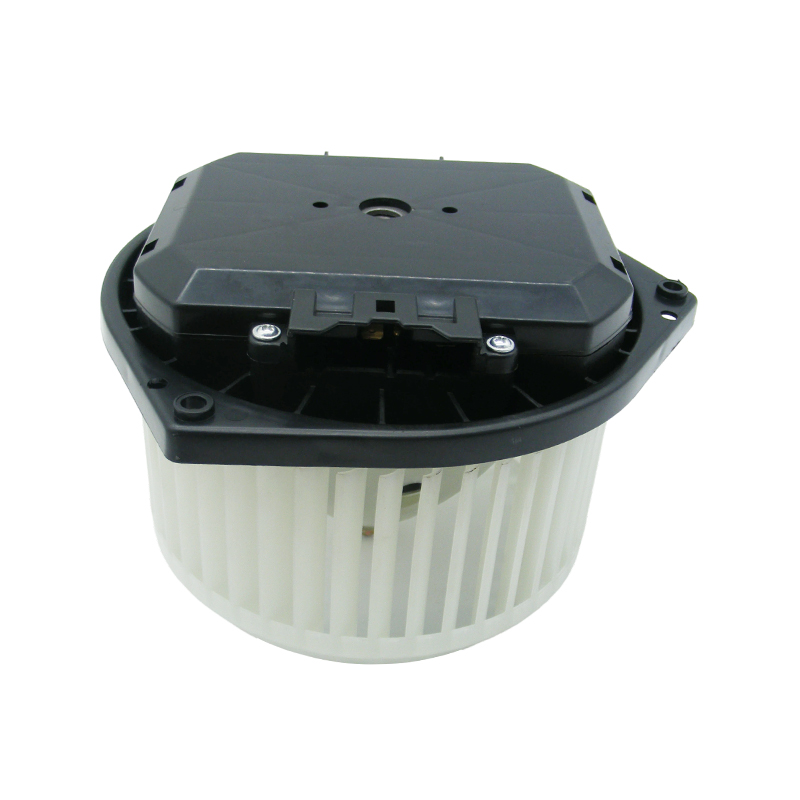
To meet the luxury brand's demand for higher levels of quietness and performance, the JK-66901F blower motor is specifically designed for the Infiniti EX35 and Q50 models. It adheres strictly to origi...
See Details -
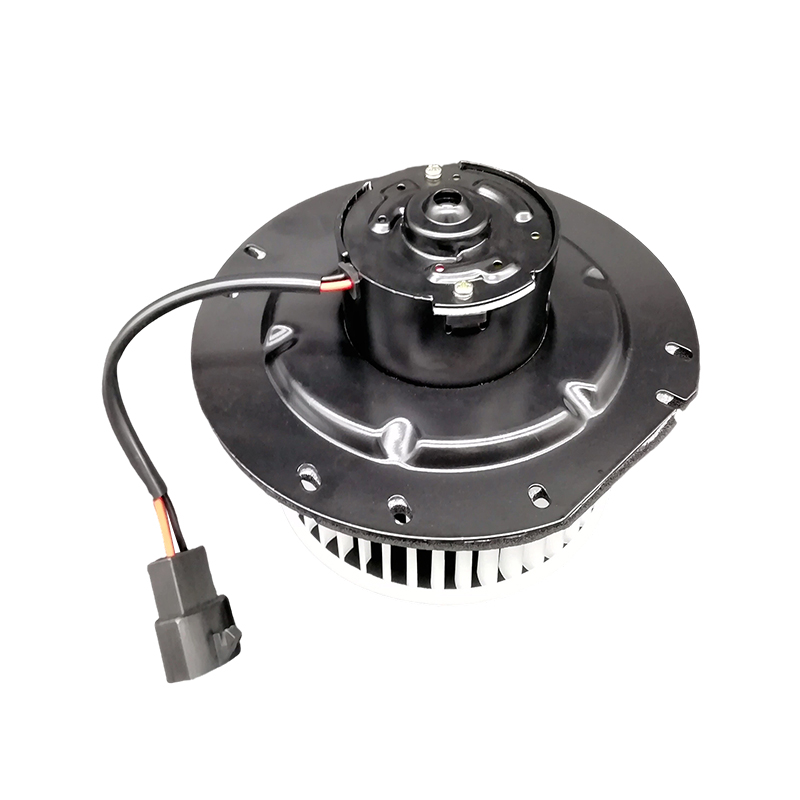
This custom blower motor is specifically designed for the 1998-2011 Ford Ranger pickup truck. Its core dimensions are 157x75 mm, and it features a clockwise (CW) rotation design, delivering performanc...
See Details -
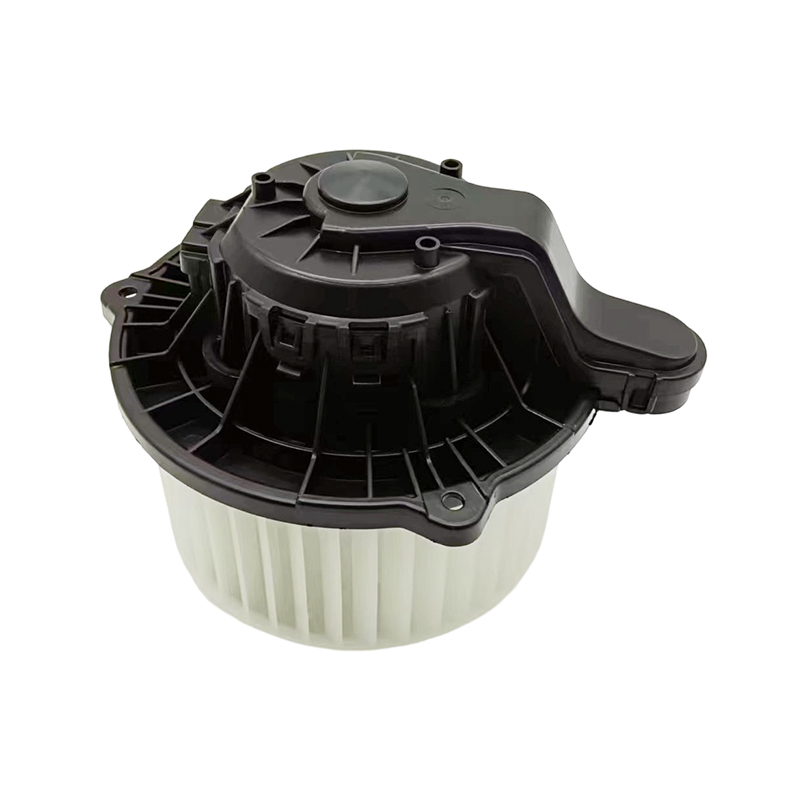
A modern air conditioning blower motor for the 2013 and later generation Ford Ranger. Built to exacting original equipment specifications (OEM No. No. 264457, RC.530.136), this motor is designed to me...
See Details -
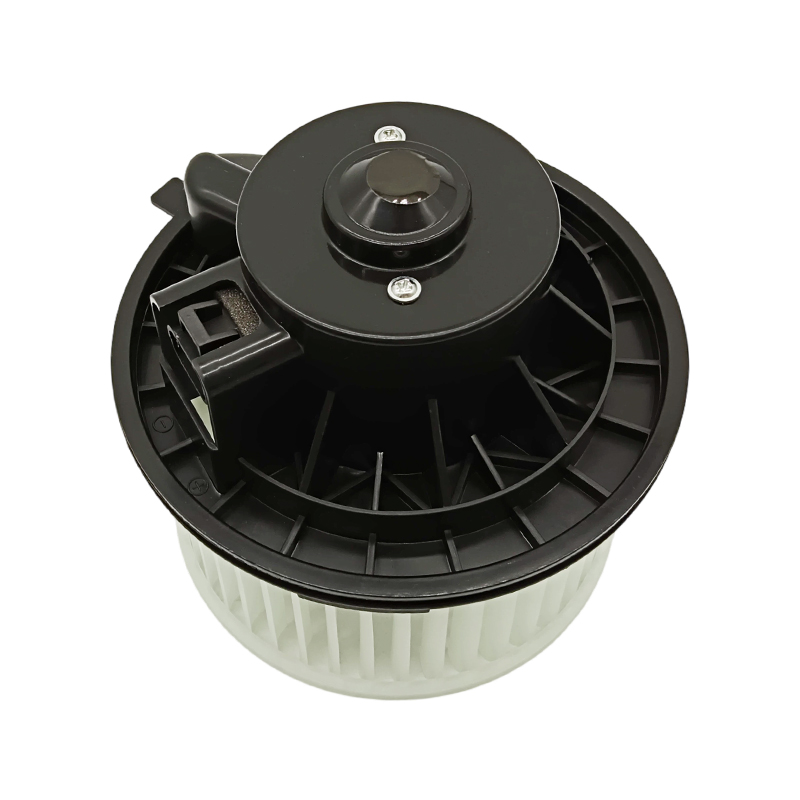
If you own a wide range of GM full-size SUVs and pickup trucks from 2003 to 2013 (such as the Escalade, Suburban, Chevrolet Silverado, and GMC Sierra), the JK-66222 is an ideal replacement. Integratin...
See Details -
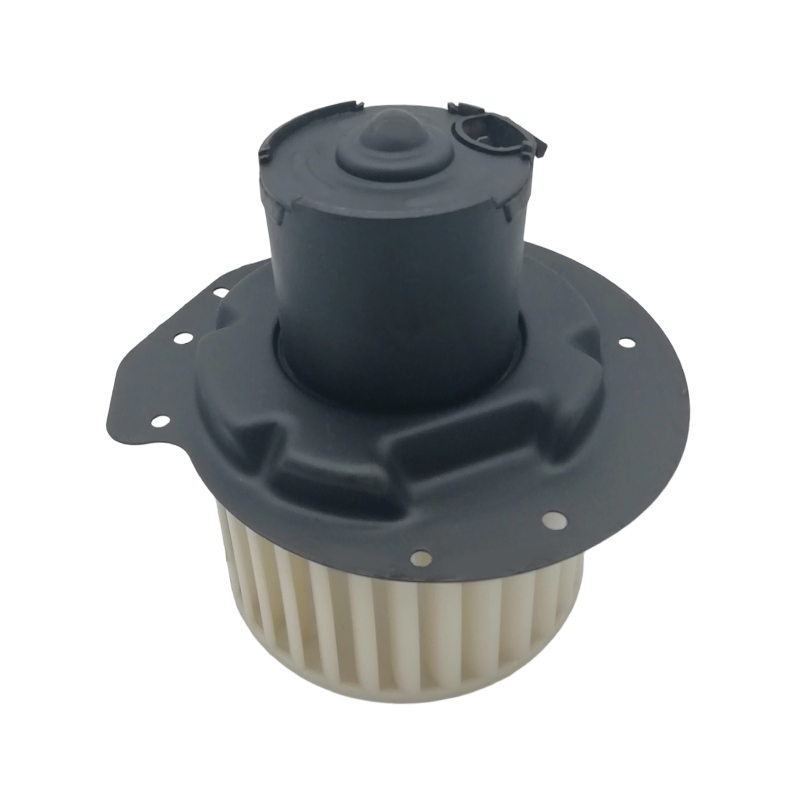
If you're looking for a reliable air conditioning blower for your 1995 or newer Ford F-1000, the JK-66669 is the perfect choice. Developed to strictly match the original manufacturer's code RC.530.004...
See Details
© 2026 Zhejiang Shuolang Motor Parts Co., Ltd. All Rights Reserved. Custom Automotive Air Conditioning Parts Manufacturer
