


 русский
 Español
 عربى
عربى Türk
Türk
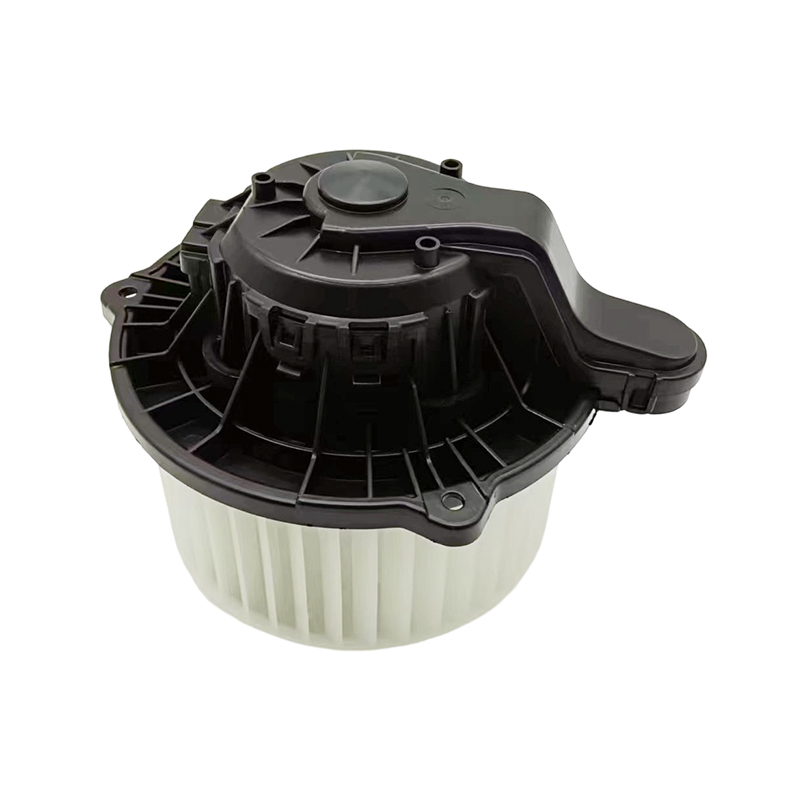
A modern air conditioning blower motor for the 2013 and later generation Ford Ranger. Built to exacting original equipment specifications (OEM No. No. 264457, RC.530.136), this motor is designed to me...
See DetailsHow Do You Know If a Blower Motor Needs Replacement?
Published on 04 10, 2026
Content
- 1 1. What is a Blower Motor
- 2 2. Importance of the Blower Motor
- 3 3. Common Symptoms of Blower Motor Failure
- 4 4. Main Causes of Blower Motor Not Working
- 5 5. Diagnosis of No Air from Car AC Blower
- 6 6. Early Signs of Blower Motor Noise
- 7 7. Blower Motor Replacement Procedure
- 8 8. How to Determine Whether Replacement is Necessary
- 9 9. Causes of Reduced Airflow in Car AC Systems
- 10 10. Blower Motor Noise Diagnosis and Solutions
- 11 11. How to Extend Blower Motor Lifespan
- 12 12. Relationship Between Blower Motor and HVAC System
- 13 13. Summary of Blower Motor Failure Logic
1. What is a Blower Motor
The Blower Motor is a key but often overlooked component in a modern automotive air conditioning system. Its main function is to drive the fan blades to force air into the cabin, enabling the circulation of cooled or heated air. Whether you are using air conditioning in hot summer weather or heating in winter, the airflow entering the cabin is almost entirely dependent on the proper operation of the Blower Motor. Without it, even if the AC compressor is working normally, cold or warm air cannot effectively reach the interior. The Blower Motor is usually installed inside the dashboard or under the passenger side footwell area. It connects to the air ducts, cabin air filter, evaporator, and air vents. Although its structure is simple, it operates continuously under different speeds and environments, making it one of the most frequently worn components in the HVAC system. ---
2. Importance of the Blower Motor
The importance of the Blower Motor goes beyond simply whether air is blowing or not. First, it determines whether air circulation inside the cabin is normal. If the Blower Motor fails, the most direct symptom is no airflow or extremely weak airflow from the vents, causing the HVAC system to lose its effectiveness. Second, it affects cabin temperature distribution. Even if the cooling or heating system works properly, insufficient blower speed can lead to uneven temperature inside the vehicle. Third, it also affects driving safety. For example, in rainy or winter conditions, windshield fogging occurs easily. If the Blower Motor does not function properly, defogging becomes slower, reducing visibility. Therefore, the Blower Motor is not only a comfort component but also indirectly related to driving safety. ---
3. Common Symptoms of Blower Motor Failure
When a Blower Motor begins to fail, it usually does not break suddenly but shows early warning signs. One of the most common symptoms is significantly reduced airflow. Even at maximum speed, the air coming from vents may feel very weak, indicating motor wear or reduced performance. Another symptom is intermittent operation. The blower may stop working suddenly during driving and resume later. This is often related to electrical contact issues or internal thermal protection. A typical sign is partial speed failure, where some fan speeds work while others do not. This is usually related to the blower resistor or control module rather than the motor itself. Noise is also a key warning. Sounds such as humming, grinding, or clicking often indicate bearing wear or debris interfering with the fan blades. ---
4. Main Causes of Blower Motor Not Working
The reasons behind the blower motor not working can generally be divided into electrical, mechanical, and environmental factors.
4.1 Electrical System Issues
In many cases, the first cause is electrical failure. A blown fuse is one of the most common reasons. When the current becomes abnormal, the fuse cuts off power to protect the system. Relays, ignition switches, or wiring connection issues can also prevent the Blower Motor from receiving power. These problems are often intermittent.
4.2 Motor Wear
Over time, the carbon brushes inside the Blower Motor wear out. Once they become too short, electrical conduction becomes unstable, eventually leading to complete failure. Bearing wear also increases resistance, making the motor difficult to start or completely stuck.
4.3 Speed Control Module Failure
Many modern vehicles use electronic control modules to regulate blower speed. If this module fails, some speeds may stop working or the entire system may shut down.
4.4 Environmental Factors
A clogged cabin air filter increases airflow resistance, putting additional load on the motor. Moisture and dust can also damage internal components over time. ---
5. Diagnosis of No Air from Car AC Blower
When there is no air from the car's AC blower, many drivers assume the entire AC system has failed, but in many cases, the Blower Motor is the actual issue. If the AC compressor is still operating but no air comes from the vents, the Blower Motor is highly likely to be the cause. If only certain speeds work, the issue is likely the resistor or control module. If airflow is unstable, it may be due to worn carbon brushes inside the motor. A clogged cabin filter can also create a false impression of no airflow, even if the motor is working. ---
6. Early Signs of Blower Motor Noise
Noise is one of the most important early warning signs of Blower Motor problems. When bearings wear out, a low-frequency humming sound appears and increases with fan speed. If debris enters the system, intermittent scraping or clicking noises may occur. A damaged or unbalanced fan blade can cause vibration and cyclical noise. If not addressed early, these issues may lead to complete failure. ---
7. Blower Motor Replacement Procedure
When a Blower Motor is severely worn, noisy, or completely non-functional, replacement is usually required. The first step is to disconnect the vehicle’s power supply, often by removing the negative battery terminal for safety. Next, remove the glove box or lower dashboard panel to access the blower motor location, which is typically under the passenger side dashboard. After exposing the unit, disconnect the electrical connector and remove mounting screws. The Blower Motor can then be taken out of the air duct housing. Installation is performed in reverse order. Care must be taken to ensure the fan does not rub against the housing. After installation, test low speed first, then gradually increase speed to confirm stable operation. ---
8. How to Determine Whether Replacement is Necessary
Not all Blower Motor issues require full replacement. If the problem is minor noise caused by dust or debris, cleaning may solve it. If airflow is unstable but the motor still runs, the issue may be electrical rather than mechanical. However, replacement is necessary if the motor does not spin at all, has a burning smell, or overheats severely. ---
9. Causes of Reduced Airflow in Car AC Systems
Reduced airflow is not always caused by the Blower Motor alone. Motor speed reduction due to wear is one reason. A clogged cabin air filter is another very common cause. Dust accumulation inside air ducts and evaporator surfaces can also restrict airflow. Additionally, unstable voltage from a weak battery or alternator can reduce blower performance. ---
10. Blower Motor Noise Diagnosis and Solutions
Blower Motor noise can be classified into mechanical noise and debris-related noise. Bearing wear produces continuous vibration noise, especially at higher speeds. Debris causes intermittent clicking or scraping sounds. Deformed fan blades cause imbalance and vibration. In such cases, replacement is often the only solution. ---
11. How to Extend Blower Motor Lifespan
Regular replacement of the cabin air filter is essential to reduce dust entering the system. Avoid prolonged operation in extremely humid environments to prevent corrosion. Using different fan speeds occasionally helps balance wear. Regular cleaning of vents and ducts reduces debris buildup. ---
12. Relationship Between Blower Motor and HVAC System
The Blower Motor is a core part of the entire HVAC system. While the compressor controls cooling and heating cycles, the Blower Motor delivers conditioned air into the cabin. Without a functioning blower motor, the HVAC system cannot deliver any comfort, regardless of compressor performance. ---
13. Summary of Blower Motor Failure Logic
Blower Motor failures can generally be categorized into three types: Electrical failures, such as fuses, relays, or wiring issues. Mechanical wear, including bearings, carbon brushes, or fan damage. Environmental issues, such as clogged filters or dust accumulation. Understanding these allows for faster diagnosis and more efficient repair decisions.
Related products
-
-
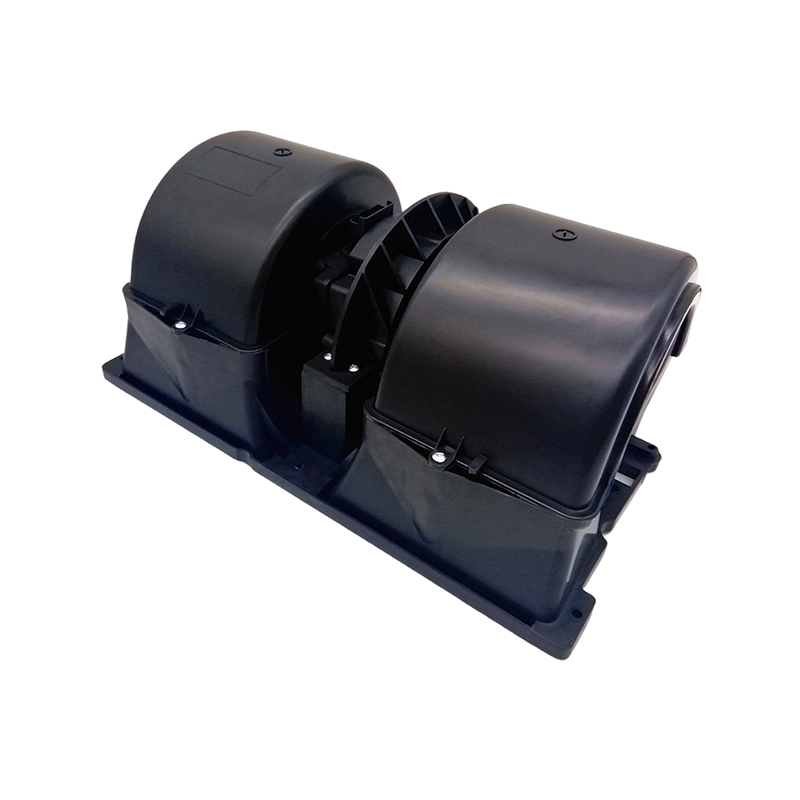
The JK-77081 blower motor is a direct replacement for Scania heavy-duty trucks, ensuring perfect compatibility with the demanding commercial vehicle environment. It precisely matches the original equi...
See Details -
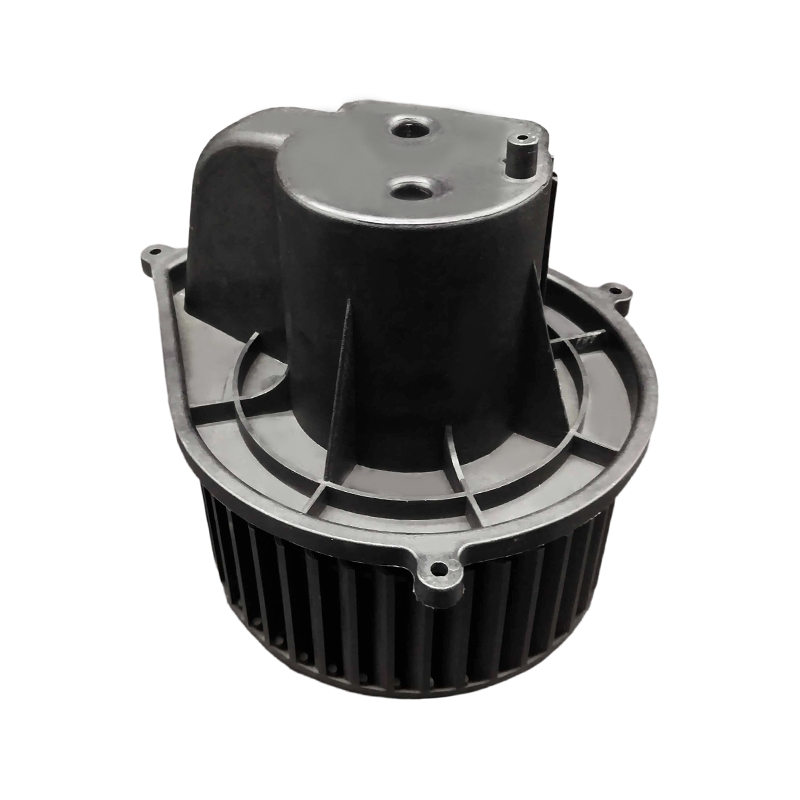
A precision replacement blower for 2006-2008 Fiat Ducatos. The JK-66701 adheres strictly to original equipment manufacturer specifications (OEM No.: 46722992), ensuring perfect compatibility with the ...
See Details -
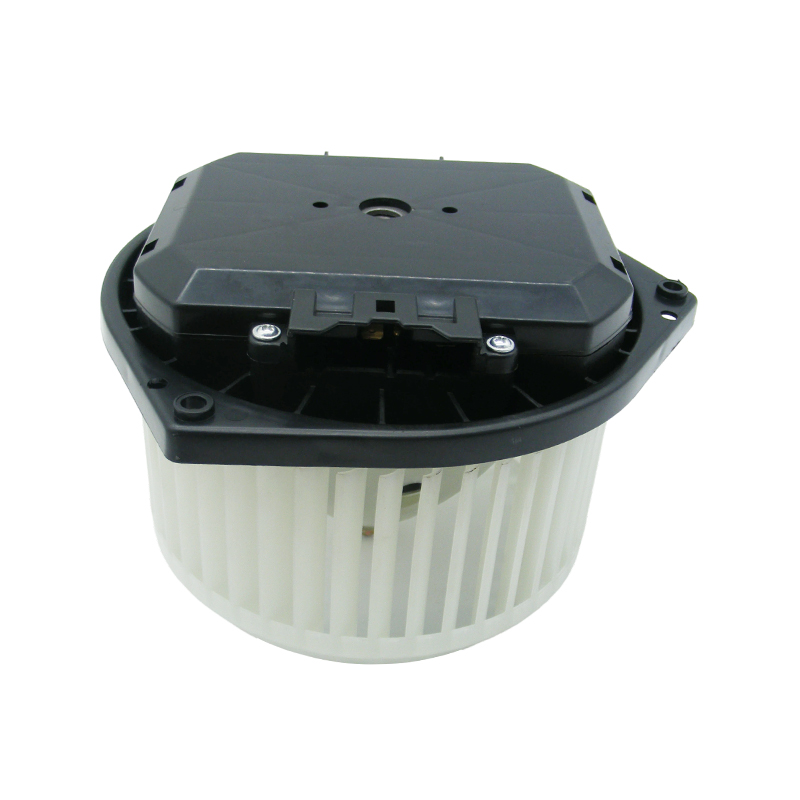
To meet the luxury brand's demand for higher levels of quietness and performance, the JK-66901F blower motor is specifically designed for the Infiniti EX35 and Q50 models. It adheres strictly to origi...
See Details -
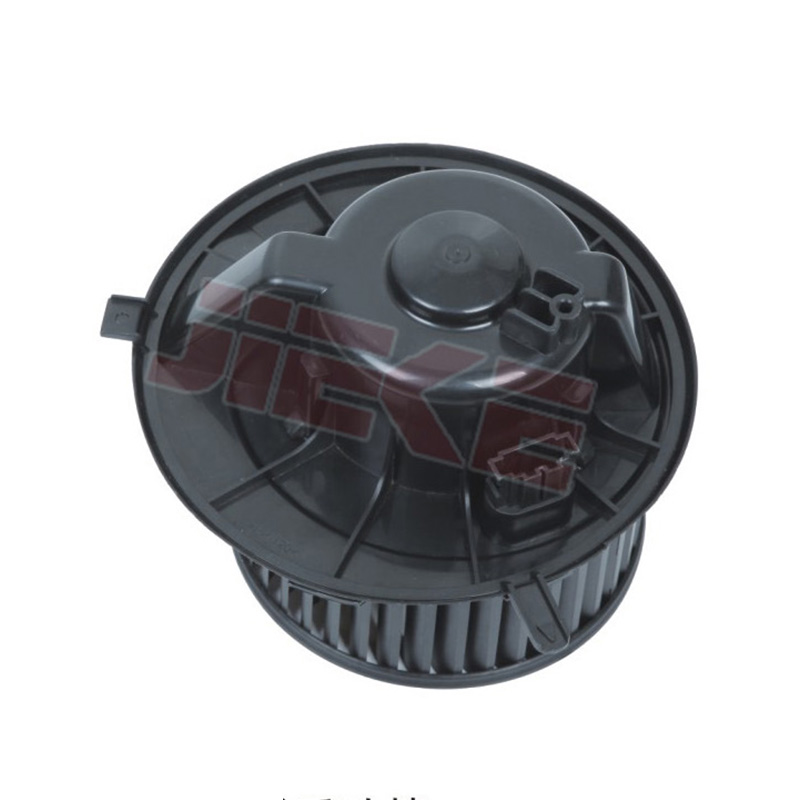
As a direct replacement part for many popular Volkswagen Group models, the JK-66137 blower is renowned for its excellent compatibility and reliability. Manufactured to strict original equipment specif...
See Details -
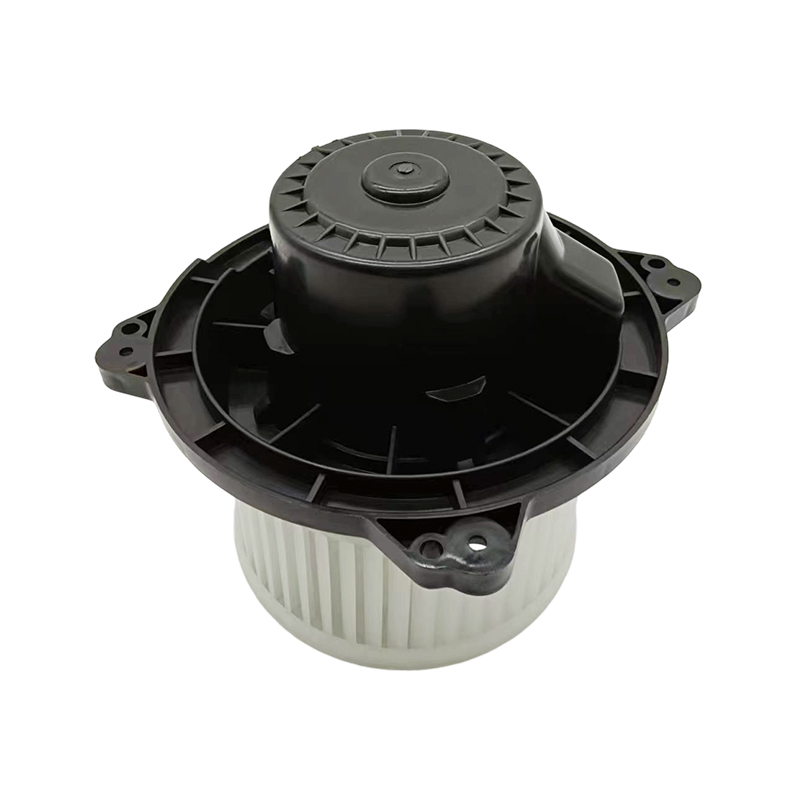
This is a clockwise (CW) blower assembly designed for various Ford models. Designed to adhere strictly to Ford factory standards, it ensures precise installation and compatible electrical connections....
See Details
© 2026 Zhejiang Shuolang Motor Parts Co., Ltd. All Rights Reserved. Custom Automotive Air Conditioning Parts Manufacturer
