How Does a Blower Motor Assembly Contribute to HVAC System Efficiency?
In today’s world, HVAC systems are pivotal in providing comfort and maintaining air quality in both residential and commercial spaces. A crucial component of these systems is the blower motor assembly, which plays a significant role in ensuring that air is efficiently circulated throughout the system.
What is a Blower Motor Assembly?
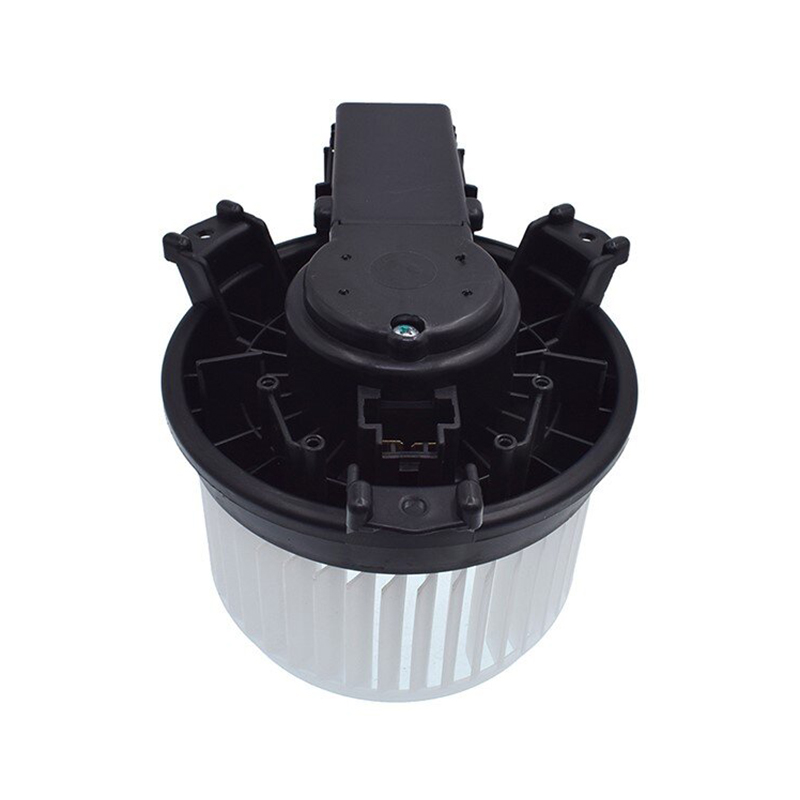
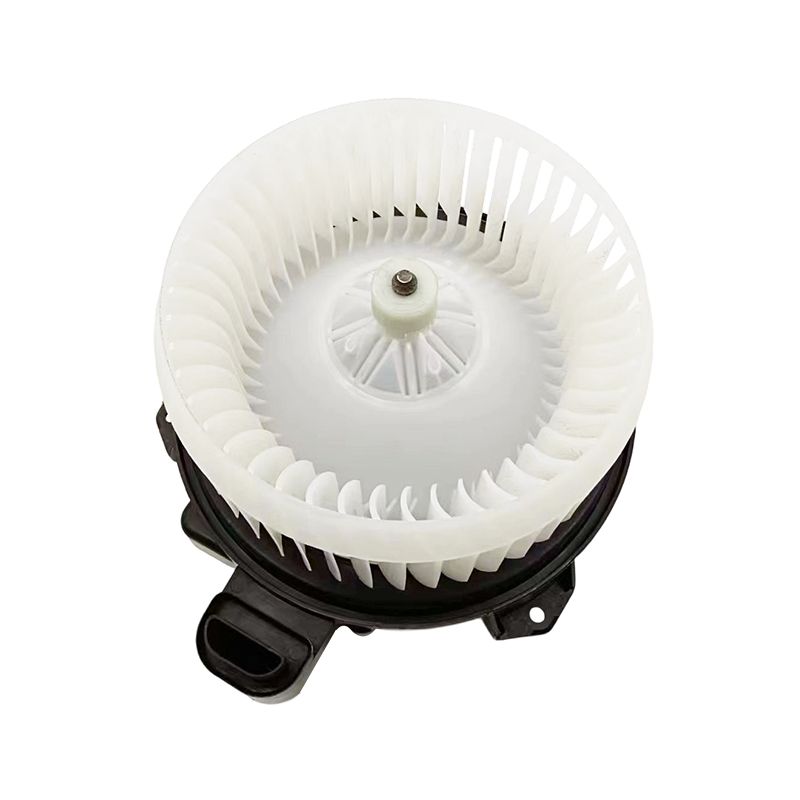
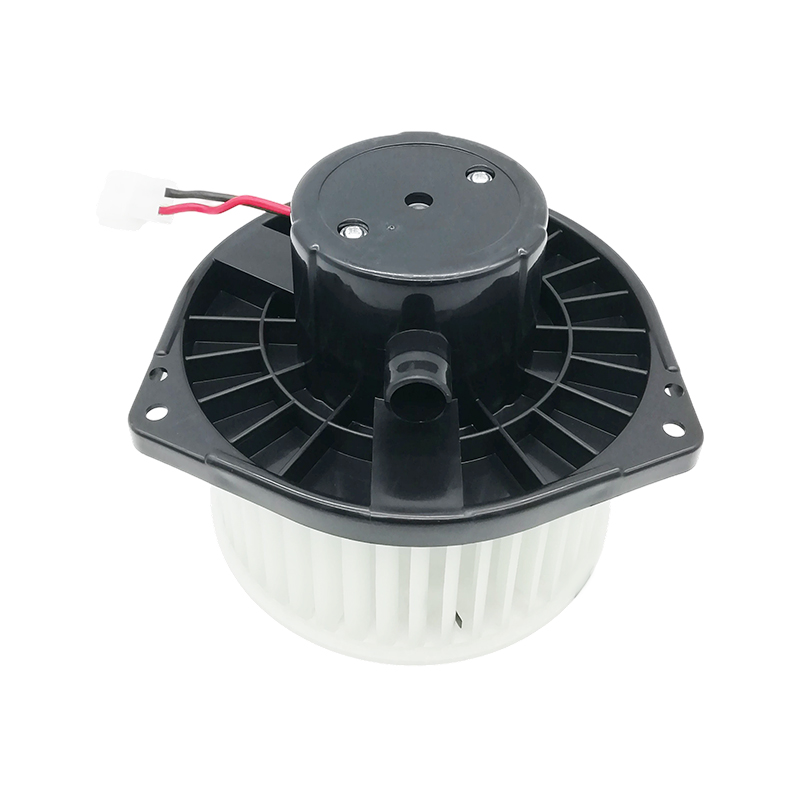
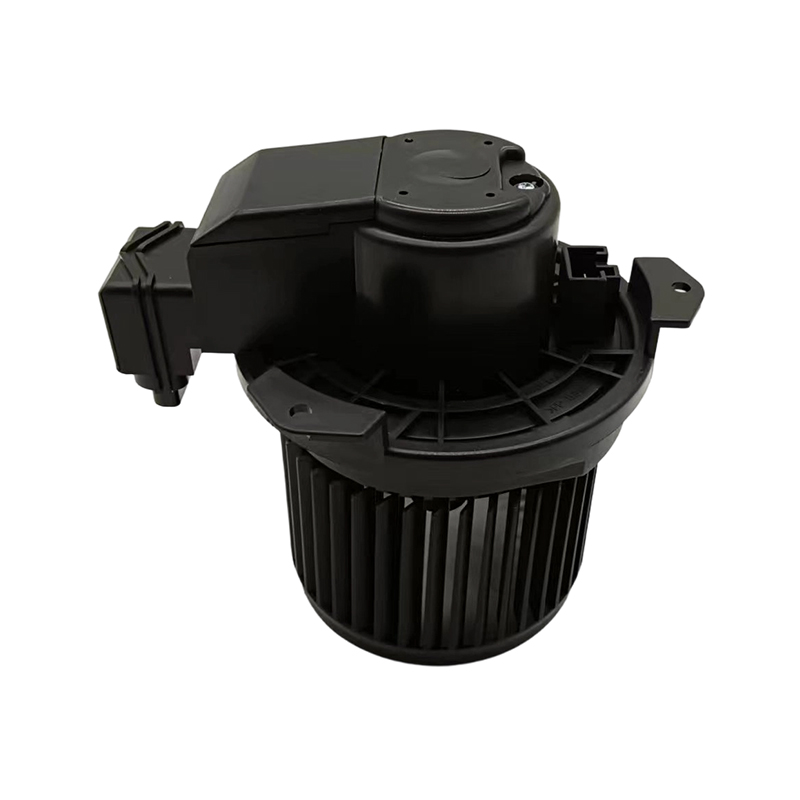
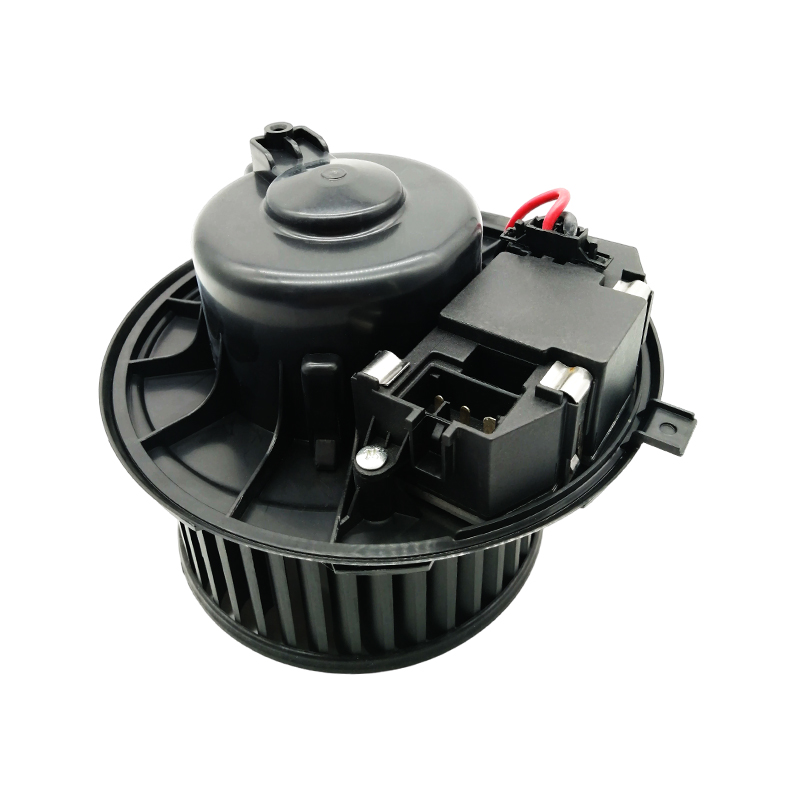
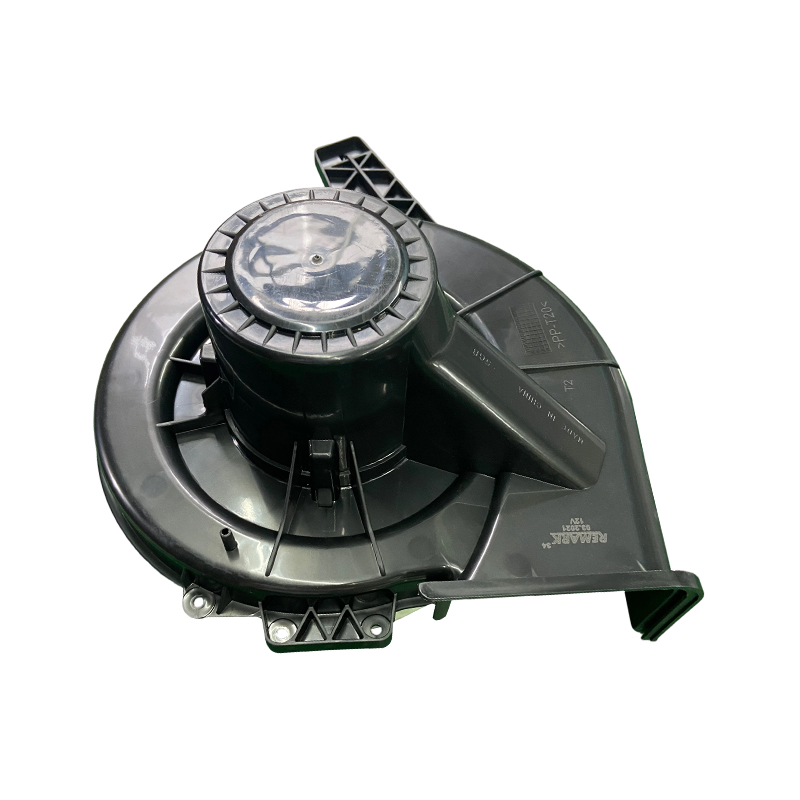
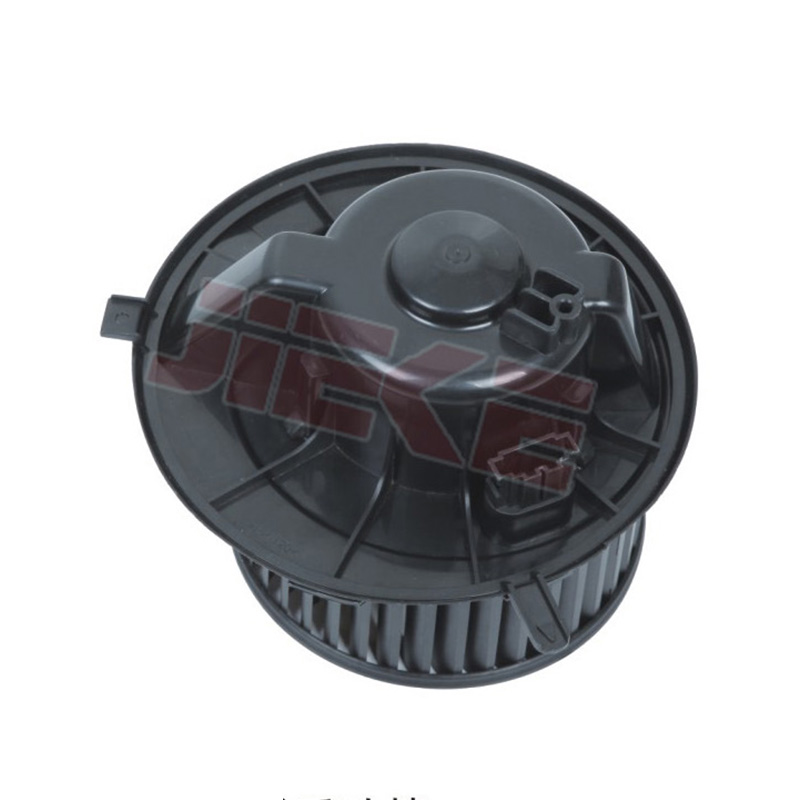
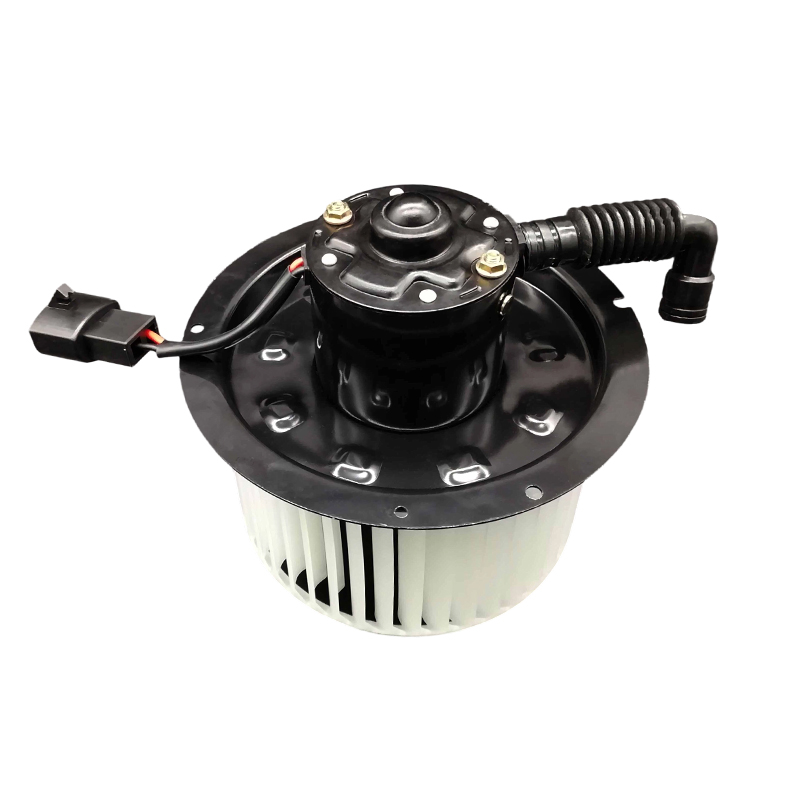
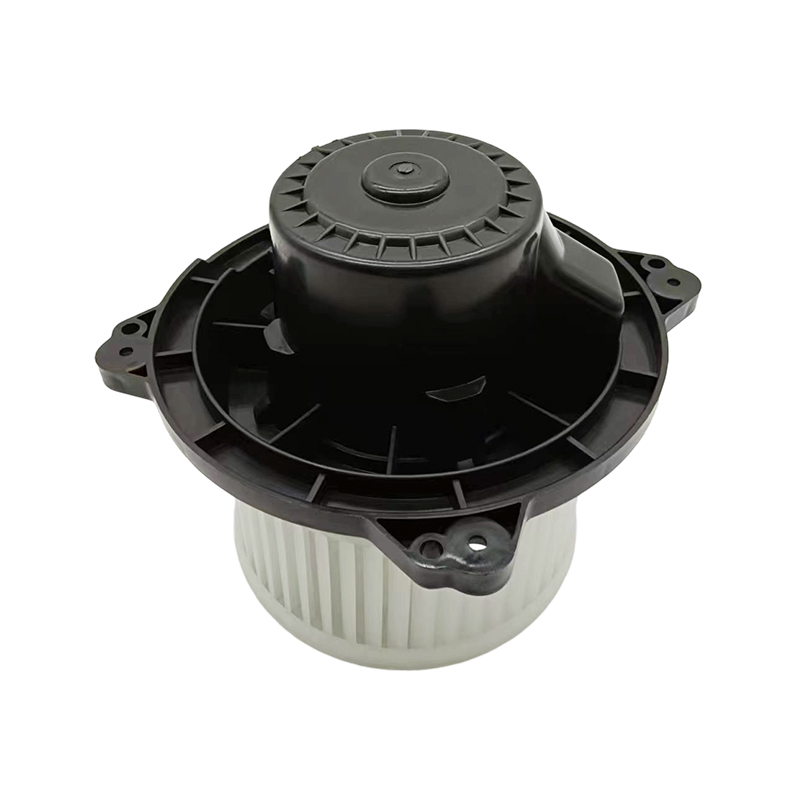
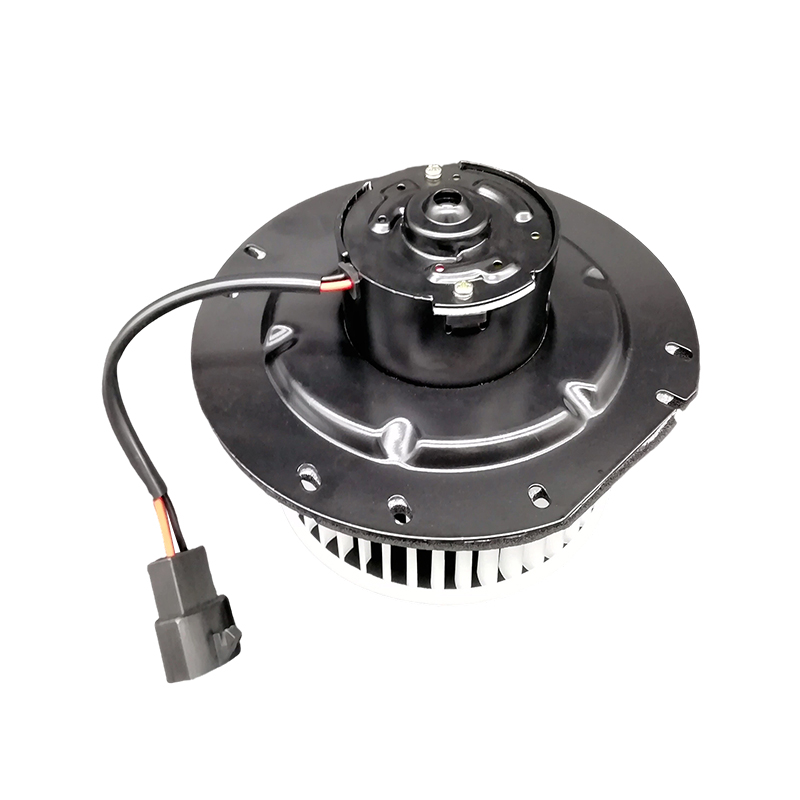
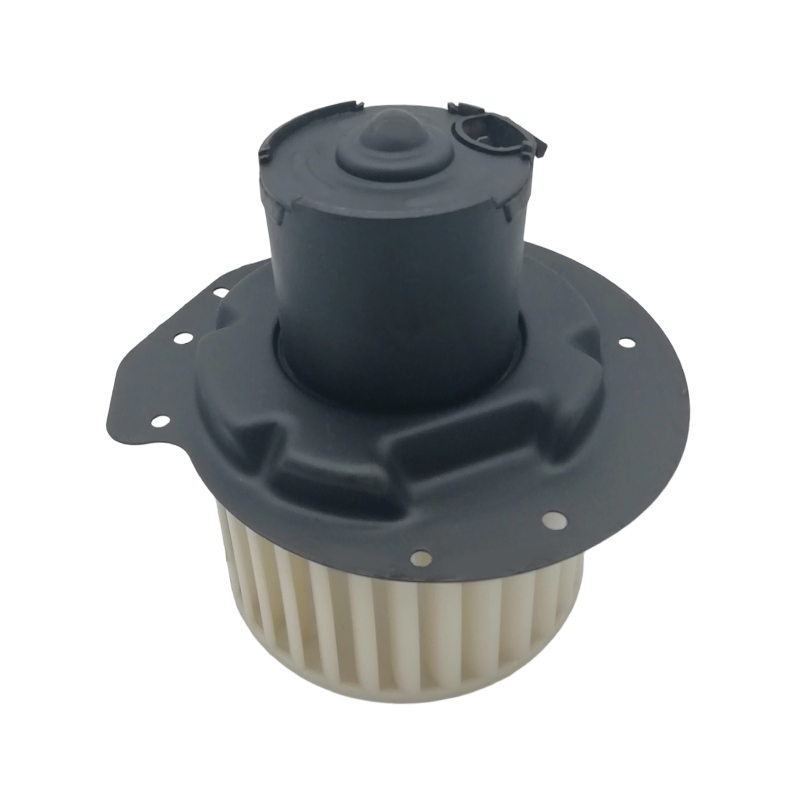
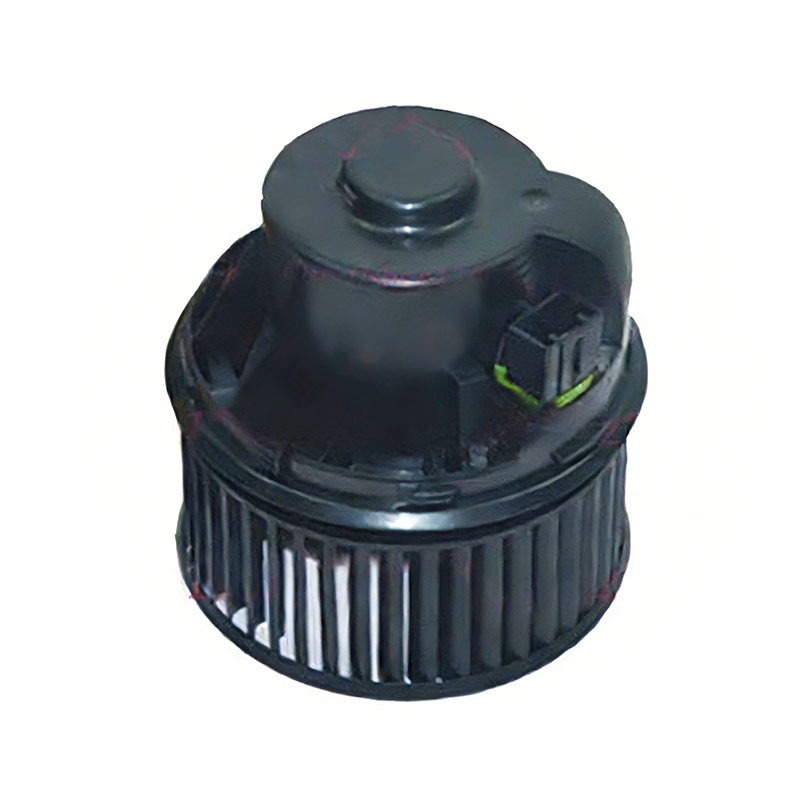
The blower motor assembly is a critical part of the HVAC system, responsible for driving the air through the heating, cooling, or ventilation processes. Essentially, it consists of a motor, a fan (or blower), and sometimes a housing or enclosure. The motor’s primary job is to convert electrical energy into mechanical energy, driving the fan that pushes air into various parts of the HVAC system.
Key Components of a Blower Motor Assembly
A typical blower motor assembly is composed of several parts that work together to ensure optimal airflow within the HVAC system. These components include:
Blower Motor: The motor is the heart of the assembly. It comes in different types, such as permanent split capacitor (PSC) motors, variable speed motors, and ECM (electronically commutated motors), each offering different levels of efficiency.
Blower Fan: Attached to the motor, the fan blades are responsible for moving air through the HVAC ducts. The fan’s design (axial, centrifugal) impacts the flow of air and system performance.
Housing: In many cases, a housing surrounds the motor and fan to ensure proper alignment and prevent external interference.
Control Panel (Optional): Some blower motor assemblies are integrated with control panels that allow users to adjust speed and airflow. This feature is commonly found in systems with variable-speed motors.
Electronic Temperature Controller (Optional): This component helps regulate the speed of the blower motor based on temperature readings, providing additional energy savings.
How a Blower Motor Assembly Impacts HVAC System Efficiency
-
Airflow Regulation:
The blower motor assembly directly affects the airflow within the HVAC system. The fan pushes the air across the coils or heat exchangers, allowing the system to heat or cool the air. A high-efficiency blower motor ensures that the airflow is consistent, reducing the strain on other components like compressors and evaporators. When the airflow is optimized, the HVAC system can reach the desired temperature faster and maintain it with less energy consumption.
-
Energy Consumption:
The motor’s efficiency plays a significant role in energy usage. Variable-speed blower motors are designed to adjust their speed according to demand, thus reducing energy waste. For example, instead of running at full speed constantly, variable-speed motors can slow down when less airflow is needed, such as when the system is maintaining temperature rather than heating or cooling. In contrast, traditional single-speed motors run at full capacity, using more energy even when less airflow is required.
-
Humidity Control:
Efficient blower motors help maintain consistent airflow across the evaporator coil, which is essential for controlling humidity levels. Overworking the blower motor can lead to inefficient dehumidification, whereas an efficient motor ensures that air passes over the coil at an optimal rate, enhancing the system’s ability to control moisture levels in the air.
-
System Longevity:
An efficient blower motor assembly not only reduces energy consumption but also increases the overall lifespan of the HVAC system. Since the motor operates at a lower strain, it wears out less quickly, thereby extending the life of both the motor and the system as a whole.
-
Comfort:
By ensuring consistent and balanced airflow, the blower motor assembly contributes to maintaining the desired temperature and humidity levels, providing greater comfort for building occupants. A properly functioning blower motor helps avoid hot or cold spots in different areas of the building.
Material Comparison and Manufacturing Quality
Different materials are used in the manufacturing of blower motor assemblies, and their quality can directly impact system performance. For example, motor windings made from copper provide higher conductivity, reducing the chances of overheating and increasing efficiency. On the other hand, aluminum windings may be cheaper but often have lower efficiency.
The fan blades in the blower motor assembly also need to be constructed from durable materials like stainless steel or high-strength plastic to ensure that they can withstand the wear and tear from continuous operation.
Why Choose Shuolang Motor?
Zhejiang Shuolang Motor Parts Co., Ltd. is one of the leading manufacturers specializing in the design and production of high-quality blower motor assemblies for various HVAC applications. With a focus on energy-efficient products, they offer blower motor assemblies that not only meet but exceed industry standards, ensuring both reliability and longevity.
By selecting high-tech blower motor assemblies, such as those provided by Zhejiang Shuolang Motor Parts Co., Ltd., HVAC systems can benefit from reduced energy consumption, lower operational costs, and improved overall efficiency. The company also provides customization options to suit various application needs, ranging from residential units to large-scale commercial systems.
Conclusion
The blower motor assembly is indispensable in ensuring the efficiency of HVAC systems. From improving airflow to enhancing energy efficiency and reducing system wear, the motor assembly’s role cannot be overstated. By selecting a high-quality blower motor assembly, businesses and homeowners alike can optimize their HVAC system’s performance, leading to cost savings and a more comfortable environment.
FAQ
1. What is the main function of a blower motor assembly in an HVAC system?
The primary function of the blower motor assembly is to circulate air through the HVAC system, ensuring efficient heating, cooling, and ventilation.
2. How do variable-speed motors contribute to HVAC system efficiency?
Variable-speed motors adjust their speed based on demand, allowing the system to operate efficiently and reduce energy consumption by not running at full speed when less airflow is needed.
3. Can upgrading to a high-efficiency blower motor save on energy costs?
Yes, upgrading to an energy-efficient blower motor can reduce electricity usage, leading to significant savings on energy costs over time.
4. What materials are commonly used in blower motor assemblies?
High-efficiency motors typically use materials like copper windings and stainless steel fan blades to enhance performance and durability.
5. How does a blower motor assembly affect the comfort level in a building?
The blower motor ensures consistent airflow, which helps maintain optimal temperature and humidity levels, providing a comfortable environment for occupants.



 русский
 Español
 عربى
عربى Türk
Türk